Hey there! As an ASME SA516 supplier, I often get asked whether ASME SA516 can be used in offshore applications. It's a pretty common question, and today, I'm gonna break it down for you.
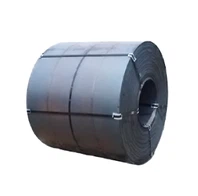
First off, let's talk a bit about what ASME SA516 is. ASME SA516 is a standard specification for pressure vessel plates, carbon steel, for moderate- and lower-temperature service. It comes in different grades, like Grade 55, Grade 60, Grade 65, and Grade 70, each with its own set of mechanical properties. These plates are known for their good notch toughness, which is super important in many applications.
Now, when it comes to offshore applications, there are a whole bunch of factors to consider. Offshore environments are tough. You've got to deal with saltwater corrosion, high winds, waves, and extreme temperature variations. So, can ASME SA516 hold up in this kind of environment?
Corrosion Resistance
One of the biggest challenges in offshore applications is corrosion. Saltwater is extremely corrosive, and any material used offshore needs to have good corrosion resistance. ASME SA516 is carbon steel, and by itself, carbon steel isn't the most corrosion-resistant material. However, there are ways to mitigate this issue.
One common approach is to use coatings. There are various types of coatings available that can protect the ASME SA516 plates from saltwater corrosion. For example, epoxy coatings are often used because they provide a good barrier between the steel and the corrosive environment. Another option is to use cathodic protection, which involves using sacrificial anodes to protect the steel from corrosion.
If proper corrosion protection measures are taken, ASME SA516 can definitely be used in offshore applications without significant corrosion problems. But it's crucial to have a good corrosion protection plan in place.
Mechanical Properties
Offshore structures are subject to a lot of mechanical stress. Waves, wind, and the weight of the equipment on the structure all put stress on the materials used. ASME SA516 has good mechanical properties, especially in terms of strength and toughness.
The different grades of ASME SA516 offer different levels of strength. For example, Grade 70 has a higher yield strength and tensile strength compared to Grade 55. Depending on the specific requirements of the offshore application, you can choose the appropriate grade of ASME SA516.
Toughness is also important, especially in areas where there are cold temperatures. ASME SA516 is designed to have good notch toughness, which means it can withstand sudden impacts without cracking. This is crucial in offshore applications where the structure may be exposed to ice or other impacts.
Weldability
Weldability is another important factor in offshore applications. Most offshore structures are made up of multiple components that need to be welded together. ASME SA516 has good weldability, which makes it easier to fabricate and assemble offshore structures.
However, it's important to follow proper welding procedures. The welding process should be carefully controlled to ensure that the welds have the same mechanical properties as the base metal. This may involve preheating the material before welding and using the appropriate welding consumables.
Comparison with Other Materials
When considering using ASME SA516 in offshore applications, it's also a good idea to compare it with other materials. For example, there are High Strength Plate that are specifically designed for high-stress applications. These plates may offer higher strength and better corrosion resistance than ASME SA516.
Another option is A572GR55 Heavy Plate, which is a low-alloy steel plate. It has good strength and weldability, and it may be a suitable alternative depending on the specific requirements of the offshore application.
S355JR is also a popular choice for offshore applications. It's a European standard steel with good mechanical properties and weldability. However, the choice between these materials will depend on factors such as cost, availability, and the specific design requirements of the offshore structure.

Cost-Effectiveness
Cost is always a consideration in any project, and offshore projects are no exception. ASME SA516 is generally more cost-effective compared to some of the high-strength and corrosion-resistant alloys. This makes it an attractive option for many offshore applications, especially when the corrosion protection can be managed effectively.
However, it's important to consider the total cost of ownership. This includes not only the initial cost of the material but also the cost of corrosion protection, maintenance, and replacement over the life of the structure.
Real-World Examples
There are many real-world examples of ASME SA516 being used in offshore applications. For example, it's often used in the construction of storage tanks on offshore platforms. These tanks need to be able to withstand the pressure of the stored liquids and the harsh offshore environment.
ASME SA516 is also used in the fabrication of structural components such as beams and columns. These components need to have good strength and toughness to support the weight of the platform and the equipment on it.
Conclusion
So, can ASME SA516 be used in offshore applications? The answer is yes, but with some considerations. It has good mechanical properties and weldability, but its corrosion resistance needs to be addressed through proper coatings and cathodic protection.
If you're in the market for ASME SA516 for your offshore project, I'd love to have a chat with you. I can provide you with more information about the different grades, their properties, and how they can be used in your specific application. Whether you're building a new offshore platform or renovating an existing one, I'm here to help you make the right choice.
If you're interested in discussing your requirements further, feel free to reach out and start a conversation about procurement. We can work together to find the best solution for your offshore project.
References
- ASME Boiler and Pressure Vessel Code, Section II, Part A - Ferrous Material Specifications
- ASTM A516/A516M - Standard Specification for Pressure Vessel Plates, Carbon Steel, for Moderate- and Lower-Temperature Service
- Offshore Standard Design and Construction Guidelines