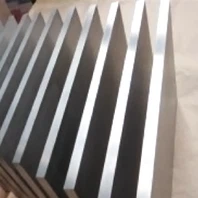
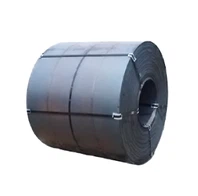
Hey there! As an abrasion plate supplier, I've seen firsthand how these tough plates are used in all sorts of industries. Abrasion plates are super important because they can stand up to a lot of wear and tear, which makes them a go - to choice for many applications. Let's dive into where you'll typically find these abrasion plates in action.
Mining Industry
Mining is one of the biggest users of abrasion plates. In mines, there's a ton of heavy - duty work going on. Equipment like conveyor belts, chutes, and hoppers are constantly dealing with abrasive materials such as coal, ore, and gravel. These materials can really take a toll on the equipment, but that's where abrasion plates come in.
For example, conveyor belts in a coal mine need to transport large amounts of coal over long distances. The coal, which is full of rough particles, can scratch and wear down the belt surface. By lining the conveyor belt with an abrasion plate, like the [NM600 Abrasion Steel Plate](/wear - plate/nm600.html), the belt becomes much more resistant to abrasion. This means less frequent replacement of the belt, which saves a lot of money in the long run.
Chutes are another critical part of the mining process. Ore and other materials slide down these chutes at high speeds, causing significant abrasion. An abrasion plate lining can protect the chute walls, ensuring that they last longer and maintain their structural integrity. The [NM500 Wear Steel Plate](/wear - plate/nm500.html) is often a great choice for chute linings due to its high hardness and excellent wear resistance.
Construction Industry
In the construction world, abrasion plates are also widely used. Construction equipment like bulldozers, excavators, and loaders are exposed to harsh environments. The buckets of these machines are constantly scraping against the ground, rocks, and other abrasive materials.
Abrasion plates can be used to reinforce the buckets of these construction vehicles. For instance, the bucket of an excavator might be lined with an [NM400 Abrasion Plate](/wear - plate/nm400.html). This plate can withstand the constant impact and abrasion from digging into the ground, moving gravel, and lifting heavy loads. It helps to extend the lifespan of the bucket and reduces the need for frequent repairs or replacements.
Moreover, in construction sites where there are concrete mixing plants, the mixing drums can benefit from abrasion plate linings. Concrete is a very abrasive material, and over time, it can wear out the inside of the mixing drums. By using abrasion plates, the drums can operate more efficiently and have a longer service life.
Manufacturing Industry
The manufacturing industry also makes good use of abrasion plates. In factories that produce goods like steel, glass, or ceramics, there are many processes that involve the movement of abrasive materials.
For example, in a steel mill, the rollers that are used to shape and move the steel are subject to a lot of wear. Abrasion plates can be used to coat these rollers, protecting them from the abrasive steel surfaces. This helps to maintain the quality of the steel products and reduces the downtime for roller maintenance.
In glass manufacturing, the conveyors that transport glass sheets can be lined with abrasion plates. Glass is sharp and can scratch the conveyor surfaces, but an abrasion plate can prevent this damage. It ensures smooth and reliable operation of the conveyor system, which is crucial for the efficient production of glass products.
Recycling Industry
The recycling industry is another area where abrasion plates are essential. Recycling facilities deal with all kinds of waste materials, many of which are abrasive.
Sorting machines in recycling plants are constantly handling items like scrap metal, broken glass, and plastic waste. These materials can cause a lot of wear on the sorting equipment. Abrasion plates can be used to line the sorting chutes, conveyor belts, and other parts of the machinery. This not only protects the equipment but also improves the overall efficiency of the recycling process.
For example, when recycling scrap metal, the crushers and shredders are under a lot of stress. The metal pieces are often jagged and hard, which can quickly wear out the machine parts. By using abrasion plates, the crushers and shredders can operate more effectively and have a longer lifespan.
Agricultural Industry
In the agricultural sector, abrasion plates also have their place. Farm equipment such as plows, cultivators, and grain augers are exposed to soil, rocks, and grains, all of which can cause abrasion.
Plows are used to break up the soil, and the blades are in constant contact with the ground. An abrasion plate can be used to reinforce the plow blades, making them more resistant to the abrasive soil. This allows the plows to work more efficiently and last longer.
Grain augers are used to move grains from one place to another. The inside of the auger tubes can be lined with abrasion plates to prevent wear from the flowing grains. This ensures that the grains are transported smoothly and that the auger tubes don't need to be replaced as often.
Power Generation Industry
Power plants, whether they are coal - fired, biomass - fired, or even some types of hydroelectric plants, use abrasion plates.


In a coal - fired power plant, the coal handling systems, including conveyor belts and pulverizers, are exposed to coal, which is abrasive. Abrasion plates can be used to line these systems, protecting them from the wear caused by the coal.
In biomass - fired power plants, the handling of biomass materials like wood chips and agricultural waste also requires abrasion - resistant components. Abrasion plates can be used in the feed systems and boilers to ensure long - term operation without excessive wear.
Hydroelectric power plants may use abrasion plates in the water intake structures and turbine components. The water flowing through these systems can carry sand and other abrasive particles, which can damage the equipment over time. Abrasion plates can provide protection and improve the efficiency of the power generation process.
Marine Industry
The marine industry also has a need for abrasion plates. Ships and offshore platforms are exposed to harsh marine environments, including seawater, sand, and debris.
On ships, the ballast tanks are often lined with abrasion plates. The ballast water contains sand and other particles that can cause abrasion on the tank walls. An abrasion plate lining can prevent corrosion and wear, ensuring the integrity of the ballast tanks.
Offshore platforms, which are used for oil and gas exploration and production, also use abrasion plates. The platforms are exposed to strong ocean currents, waves, and abrasive sediment. Abrasion plates can be used to protect the legs, decks, and other parts of the platform from wear and damage.
Conclusion
As you can see, abrasion plates are used in a wide range of industries, from mining and construction to manufacturing and recycling. Their ability to resist wear and tear makes them an invaluable component in many types of equipment.
If you're in an industry that could benefit from abrasion plates, I'd love to talk to you. Whether you need [NM600 Abrasion Steel Plate](/wear - plate/nm600.html), [NM400 Abrasion Plate](/wear - plate/nm400.html), or [NM500 Wear Steel Plate](/wear - plate/nm500.html), we've got you covered. Get in touch with us to discuss your specific needs and how we can provide the right abrasion plates for your applications.
References
- Industrial Equipment Handbook
- Mining Engineering Textbooks
- Construction Machinery Manuals
- Recycling Industry Reports
- Agricultural Equipment Guides
- Power Generation Industry Journals
- Marine Engineering Publications