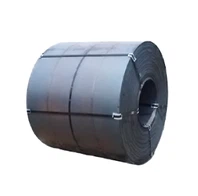
As a supplier of pipeline plate X52, I understand the significance of accurately evaluating the quality of this product. Pipeline plate X52 is widely used in the construction of oil and gas pipelines, where its quality directly impacts the safety and efficiency of the entire pipeline system. In this blog post, I will share some key aspects and methods for evaluating the quality of pipeline plate X52.
1. Chemical Composition Analysis
The chemical composition of pipeline plate X52 is a fundamental factor that determines its mechanical properties and corrosion resistance. A proper chemical composition ensures that the plate can withstand the harsh conditions in pipeline applications.
Key Elements and Their Roles
- Carbon (C): Carbon is a crucial element that affects the strength and hardness of the steel. In pipeline plate X52, the carbon content is typically controlled within a certain range. A higher carbon content can increase the strength of the steel, but it may also reduce its weldability and toughness. Therefore, a balanced carbon content is necessary to achieve the desired mechanical properties.
- Manganese (Mn): Manganese improves the hardenability and strength of the steel. It also helps to deoxidize the steel during the manufacturing process. In X52 pipeline plates, an appropriate amount of manganese can enhance the overall performance of the plate.
- Sulfur (S) and Phosphorus (P): These are considered impurities in steel. High levels of sulfur and phosphorus can cause brittleness and reduce the ductility of the steel. For pipeline plate X52, strict limits are set for sulfur and phosphorus content to ensure the quality and reliability of the plate.
To evaluate the chemical composition, we usually use advanced analytical techniques such as spectroscopy. By analyzing the chemical composition of samples taken from different parts of the plate, we can ensure that it meets the relevant standards and specifications.
2. Mechanical Properties Testing
Mechanical properties are another critical aspect of evaluating the quality of pipeline plate X52. These properties determine the plate's ability to withstand pressure, stress, and deformation during pipeline operation.
Tensile Testing
Tensile testing is one of the most common methods to evaluate the mechanical properties of pipeline plate X52. In this test, a sample of the plate is subjected to a gradually increasing tensile force until it breaks. The test measures the yield strength, ultimate tensile strength, and elongation of the plate.
- Yield Strength: This is the stress at which the material begins to deform plastically. For pipeline plate X52, the yield strength is an important indicator of its ability to withstand internal pressure without permanent deformation.
- Ultimate Tensile Strength: It represents the maximum stress that the material can withstand before breaking. A higher ultimate tensile strength indicates better strength and durability of the plate.
- Elongation: Elongation measures the ability of the material to stretch before fracture. Good elongation is essential for pipeline plates to accommodate deformation and prevent cracking under stress.
Impact Testing
Impact testing is used to evaluate the toughness of the pipeline plate X52. In this test, a notched sample is struck by a pendulum, and the energy absorbed during the impact is measured. High impact energy indicates good toughness and resistance to brittle fracture, which is crucial for pipeline applications in cold environments.
3. Microstructure Examination
The microstructure of pipeline plate X52 has a significant influence on its mechanical properties and corrosion resistance. By examining the microstructure, we can identify any potential defects or irregularities that may affect the quality of the plate.
Grain Size
The grain size of the steel affects its strength, toughness, and ductility. A fine-grained microstructure generally provides better mechanical properties compared to a coarse-grained one. For pipeline plate X52, a uniform and fine grain size is desirable to ensure consistent performance.
Phase Composition
The phase composition of the steel determines its properties. In pipeline plate X52, the main phases are ferrite and pearlite. The proportion and distribution of these phases can affect the strength, hardness, and corrosion resistance of the plate.
Microstructure examination is usually carried out using metallographic microscopy. By preparing polished and etched samples, we can observe the microstructure and analyze its characteristics.
4. Surface Quality Inspection
The surface quality of pipeline plate X52 is also an important factor to consider. A smooth and defect-free surface is essential for preventing corrosion and ensuring proper welding and coating applications.
Surface Defects
Common surface defects in pipeline plates include cracks, scratches, pits, and inclusions. These defects can reduce the strength and integrity of the plate and may lead to corrosion and failure over time. Therefore, a thorough surface inspection is necessary to detect and eliminate any surface defects.
Surface Finish
The surface finish of the plate affects its appearance and corrosion resistance. A smooth and clean surface provides better protection against corrosion and facilitates the application of coatings.


Surface quality inspection can be performed visually or using non-destructive testing methods such as ultrasonic testing and magnetic particle testing.
5. Comparison with Similar Products
In addition to the above evaluation methods, it is also beneficial to compare pipeline plate X52 with similar products in the market. For example, products like LX65, LX560, and LX70 may have different features and performance characteristics. By comparing these products, we can better understand the advantages and limitations of pipeline plate X52 and make more informed decisions.
6. Compliance with Standards and Specifications
Pipeline plate X52 must comply with relevant national and international standards and specifications. These standards define the requirements for chemical composition, mechanical properties, surface quality, and other aspects of the plate.
Some of the common standards for pipeline plate X52 include API 5L, ASTM A537, and ISO 3183. By ensuring that our products meet these standards, we can guarantee their quality and reliability in pipeline applications.
Conclusion
Evaluating the quality of pipeline plate X52 is a comprehensive process that involves chemical composition analysis, mechanical properties testing, microstructure examination, surface quality inspection, comparison with similar products, and compliance with standards and specifications. As a supplier, we are committed to providing high-quality pipeline plate X52 that meets the strictest requirements of our customers.
If you are interested in purchasing pipeline plate X52 or have any questions about our products, please feel free to contact us for further discussion and negotiation. We look forward to working with you to meet your pipeline construction needs.
References
- API 5L Specification for Line Pipe
- ASTM A537 Standard Specification for Pressure Vessel Plates, Heat-Treated, Carbon-Manganese-Silicon Steel
- ISO 3183 Petroleum and natural gas industries — Steel pipe for pipelines — Technical delivery conditions