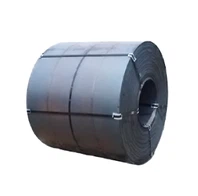
As a seasoned supplier of ASTM A537 plates, I've had numerous inquiries regarding the typical thickness range of these high - quality steel plates. In this blog, I'll delve into the details of the thickness range, its significance, and how it relates to various applications.
Understanding ASTM A537 Plates
ASTM A537 is a standard specification for pressure vessel plates, heat - treated, carbon - manganese - silicon steel. These plates are known for their excellent strength, toughness, and weldability, making them ideal for use in pressure vessels, storage tanks, and other critical applications where reliability is of utmost importance.
Typical Thickness Range
The typical thickness range of ASTM A537 plates can vary depending on several factors, including the specific grade of the plate and the requirements of the end - user. Generally, the thickness of ASTM A537 plates can range from around 6 mm (0.24 inches) to 200 mm (7.87 inches).
Lower End of the Thickness Range (6 - 25 mm)
Plates with thicknesses in the range of 6 - 25 mm are commonly used in applications where weight is a concern, but strength and corrosion resistance are still required. For example, in the construction of small - to - medium - sized pressure vessels or storage tanks, these thinner plates can provide a cost - effective solution. They are also easier to handle and fabricate, which can reduce labor costs during the manufacturing process.
Middle Range (25 - 100 mm)
The thickness range of 25 - 100 mm is perhaps the most commonly used for ASTM A537 plates. Plates in this range offer a good balance between strength and weight, making them suitable for a wide variety of applications. They are often used in the construction of large - scale pressure vessels, such as those used in the chemical and petrochemical industries. These vessels need to withstand high pressures and harsh chemical environments, and the middle - range thickness plates can provide the necessary structural integrity.
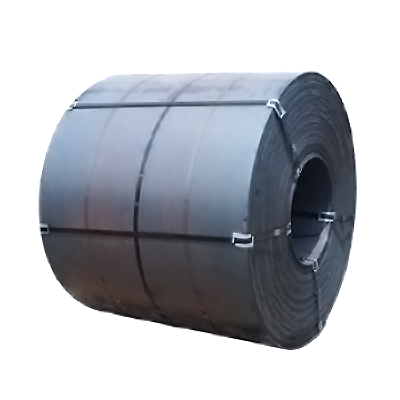

Upper End of the Thickness Range (100 - 200 mm)
Plates with thicknesses from 100 - 200 mm are typically used in heavy - duty applications where extreme strength and durability are required. For instance, in the construction of large - scale storage tanks for high - pressure gases or in the manufacturing of specialized pressure vessels for the nuclear industry. These thicker plates can withstand very high pressures and are less likely to deform under stress.
Factors Affecting Thickness Selection
When selecting the appropriate thickness for ASTM A537 plates, several factors need to be considered:
- Pressure Requirements: The higher the pressure the vessel or structure needs to withstand, the thicker the plate should be. This is because thicker plates can better resist the internal forces exerted by the pressure.
- Size of the Structure: Larger structures generally require thicker plates to maintain their structural integrity. A large - scale pressure vessel will need a thicker plate compared to a smaller one to prevent buckling or deformation.
- Environmental Conditions: If the plate will be exposed to harsh environmental conditions, such as corrosive chemicals or extreme temperatures, a thicker plate may be necessary. Thicker plates can provide better resistance to corrosion and thermal stress.
Comparison with Other Pressure Vessel Plates
It's also useful to compare ASTM A537 plates with other popular pressure vessel plates. For example, P295GH is another type of pressure vessel plate. P295GH is a European standard plate with different chemical and mechanical properties compared to ASTM A537. While P295GH is known for its good weldability and formability, ASTM A537 offers higher strength in some cases, especially in the thicker plate ranges.
P335GH Pressure Plate SA516GR70 is also a well - known pressure vessel plate. SA516GR70 is often used in applications where high - temperature and high - pressure resistance are required. ASTM A537, on the other hand, can be a more cost - effective option for applications where the temperature and pressure requirements are not as extreme.
astm a537 16Mo3 is a plate that combines the properties of ASTM A537 and the 16Mo3 alloy. This plate is suitable for applications where both high - temperature strength and good weldability are needed. The thickness selection for 16Mo3 plates also follows similar principles as ASTM A537, depending on the specific application requirements.
Our Role as a Supplier
As a supplier of ASTM A537 plates, we understand the importance of providing high - quality products that meet the specific needs of our customers. We have a wide range of thicknesses available in stock, ensuring that we can quickly fulfill orders for various applications. Our team of experts can also provide technical support and advice on the selection of the appropriate thickness for your project. We work closely with our customers to understand their requirements and offer customized solutions.
Conclusion
The typical thickness range of ASTM A537 plates is quite broad, ranging from 6 mm to 200 mm. The selection of the appropriate thickness depends on various factors such as pressure requirements, size of the structure, and environmental conditions. By understanding these factors and comparing with other pressure vessel plates, customers can make an informed decision.
If you are in the market for ASTM A537 plates or have any questions about the thickness selection, we encourage you to reach out to us for a detailed discussion. Our team is ready to assist you in finding the perfect solution for your project.
References
- ASTM International, "ASTM A537 Standard Specification for Pressure Vessel Plates, Heat - Treated, Carbon - Manganese - Silicon Steel".
- Various industry reports on pressure vessel design and material selection.