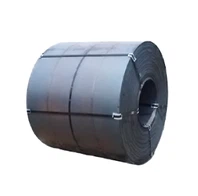
As a supplier of ASTM A537, I've had extensive experience with this material, which is widely used in pressure vessel applications due to its good weldability, formability, and notch toughness. However, like any material, ASTM A537 has its limitations that potential buyers should be aware of before making a purchase decision.
1. Chemical Composition Constraints
The chemical composition of ASTM A537 is strictly defined to meet specific mechanical properties. For instance, the carbon content is typically limited to ensure good weldability. While this is beneficial for welding processes, it also restricts the material's ability to achieve higher strength levels through carbon - based hardening mechanisms. High - strength applications may require additional alloying elements, but the standard's chemical composition limits can pose a challenge.
Moreover, the presence of certain impurities such as sulfur and phosphorus needs to be carefully controlled. Sulfur can form sulfide inclusions, which may reduce the material's ductility and toughness, especially in thick - section plates. Phosphorus can cause embrittlement, particularly at low temperatures. Although the ASTM A537 standard sets maximum limits for these impurities, in some harsh operating environments, even these allowed levels may not be sufficient to prevent long - term degradation.
2. Temperature Limitations
ASTM A537 is designed to perform well within a certain temperature range. At elevated temperatures, the material's mechanical properties can deteriorate. The yield strength and tensile strength of ASTM A537 decrease as the temperature rises. For example, when used in high - temperature pressure vessels, the material may experience creep, which is the slow and progressive deformation under a constant load over time. This can lead to dimensional changes and potential failure of the pressure vessel.
On the other hand, at low temperatures, ASTM A537 can become brittle. The material's notch toughness is crucial in preventing brittle fracture, especially in applications where sudden impact or shock loads may occur. While ASTM A537 is tested for low - temperature toughness, there is still a risk of brittle fracture if the operating temperature drops below the material's ductile - brittle transition temperature. This limitation restricts its use in cryogenic applications or in regions with extremely cold climates.
3. Thickness - Related Limitations
Thicker plates of ASTM A537 can present challenges in terms of achieving uniform mechanical properties throughout the cross - section. During the heat treatment process, which is used to improve the material's properties, thicker plates may experience uneven cooling rates. This can result in variations in hardness, microstructure, and mechanical properties from the surface to the center of the plate.
For example, the center of a thick plate may not cool fast enough to achieve the desired quenched and tempered microstructure, leading to lower strength and toughness compared to the surface. This non - uniformity can compromise the overall performance of the pressure vessel, especially in applications where consistent properties are required. Additionally, thicker plates are more prone to internal stresses, which can cause distortion during machining or welding operations.
4. Weldability Challenges
Although ASTM A537 is known for its good weldability, there are still some limitations. Welding can introduce residual stresses and changes in the microstructure of the material. If not properly controlled, these factors can lead to weld defects such as cracks, porosity, and lack of fusion.
The pre - heating and post - weld heat treatment requirements for ASTM A537 are critical to ensure the integrity of the weld. However, in some field welding applications, it may be difficult to meet these requirements precisely. For example, in remote locations or during emergency repairs, it may be challenging to maintain the required pre - heating temperature or to perform the post - weld heat treatment effectively. This can increase the risk of weld failures and reduce the long - term reliability of the pressure vessel.
5. Comparison with Other Materials
When compared to other pressure vessel materials such as P335GH and ASTM A537CL2 SA285GrB, ASTM A537 may not always be the best choice. P335GH, for instance, is specifically designed for use in pressure vessels operating at high temperatures and has better high - temperature strength and creep resistance compared to ASTM A537.
P335GH Pressure Plate SA516GR70 is also a popular alternative. It offers good notch toughness at low temperatures, which may be superior to ASTM A537 in cryogenic applications. These alternative materials may be more suitable for specific applications where ASTM A537's limitations become significant.
6. Surface Quality and Corrosion Resistance
The surface quality of ASTM A537 can affect its performance, especially in corrosive environments. Imperfections on the surface, such as scratches, pits, or scale, can act as initiation sites for corrosion. While ASTM A537 has some inherent corrosion resistance, it may not be sufficient in highly corrosive environments without additional protective measures.
In applications where the pressure vessel is exposed to corrosive substances such as acids, alkalis, or saltwater, the material may require coatings or linings to prevent corrosion. However, applying and maintaining these protective measures can add to the cost and complexity of the project.
Contact for Further Discussion
Despite these limitations, ASTM A537 remains a popular choice for many pressure vessel applications due to its overall good performance and cost - effectiveness. If you are considering using ASTM A537 for your project, it's important to understand these limitations and how they may impact your specific application. I'm here to provide you with more detailed information and help you make an informed decision. Whether you have questions about the material's properties, heat treatment, or welding requirements, feel free to contact me for a detailed discussion. We can work together to determine if ASTM A537 is the right choice for your pressure vessel needs.
References
- ASTM International. "ASTM A537/A537M - 18 Standard Specification for Pressure Vessel Plates, Heat - Treated, Carbon - Manganese - Silicon Steel."
- ASME Boiler and Pressure Vessel Code. "Section VIII, Division 1: Rules for Construction of Pressure Vessels."
- Welding Handbook, American Welding Society.