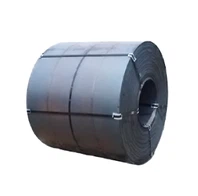
As a supplier of Pipe Line Plate X60, I often encounter inquiries about the tolerance range for its dimensions. Understanding these tolerances is crucial for ensuring the proper fit and performance of the pipeline in various applications. In this blog post, I'll delve into the details of the tolerance range for Pipe Line Plate X60, explaining why it matters and how it impacts your projects.
Importance of Dimension Tolerance in Pipe Line Plate X60
Pipe Line Plate X60 is a high - strength, low - alloy steel plate commonly used in the construction of pipelines for transporting oil, gas, and other fluids. The precise dimensions of these plates are essential for several reasons. Firstly, accurate dimensions ensure a proper fit during the pipeline assembly process. If the plates are too large or too small, it can lead to difficulties in welding, joining, and overall installation. Secondly, maintaining the correct dimensions helps in maintaining the structural integrity of the pipeline. Deviations from the specified dimensions can cause stress concentrations, which may lead to premature failure of the pipeline under pressure.
Industry Standards for Dimension Tolerance
The tolerance range for Pipe Line Plate X60 is typically defined by international standards such as ASTM (American Society for Testing and Materials) and API (American Petroleum Institute). These standards set out the acceptable limits for various dimensions, including thickness, width, length, and flatness.
Thickness Tolerance
The thickness of Pipe Line Plate X60 is a critical dimension. According to ASTM and API standards, the thickness tolerance is usually specified as a percentage of the nominal thickness. For example, for thinner plates, the tolerance might be within ±0.1mm to ±0.3mm, while for thicker plates, it could be within ±0.5mm to ±1mm. This range allows for some variation during the manufacturing process while still ensuring that the plate meets the required strength and performance criteria.
Width and Length Tolerance
The width and length of the Pipe Line Plate X60 also have specific tolerance ranges. Generally, the width tolerance is within ±5mm to ±10mm, and the length tolerance is within ±10mm to ±20mm. These tolerances account for the normal variations that occur during the rolling and cutting processes. However, it's important to note that in some cases, more precise tolerances may be required depending on the specific project requirements.
Flatness Tolerance
Flatness is another important aspect of Pipe Line Plate X60. A flat plate is easier to handle, weld, and install. The flatness tolerance is typically specified as a maximum deviation from a straight line over a given length. For example, the maximum deviation might be limited to 3mm to 5mm over a length of 1000mm. This ensures that the plate remains relatively flat and can be used without excessive warping or distortion.
Factors Affecting Dimension Tolerance
Several factors can affect the dimension tolerance of Pipe Line Plate X60. The manufacturing process is one of the primary factors. The rolling process, which is used to shape the steel plate, can introduce some variations in thickness, width, and length. The quality of the raw materials also plays a role. If the steel billets used in the manufacturing process have inconsistent properties, it can lead to greater dimensional variations in the final product.
Environmental factors can also have an impact. For example, temperature changes during the manufacturing and storage processes can cause the steel plate to expand or contract, which may affect its dimensions. Additionally, handling and transportation can cause minor deformations, especially if the plates are not properly secured.
How Our Company Ensures Dimension Accuracy
At our company, we take several measures to ensure that our Pipe Line Plate X60 meets the strictest dimension tolerance requirements. We use state - of - the - art manufacturing equipment and advanced quality control systems. Our rolling mills are equipped with precise sensors and control systems that monitor and adjust the thickness, width, and length of the plates during the manufacturing process.
We also conduct regular inspections at various stages of production. Our quality control team uses advanced measuring tools, such as ultrasonic thickness gauges, laser scanners, and straightedges, to check the dimensions of the plates. Any plates that do not meet the specified tolerance range are either re - worked or rejected.


In addition to in - house inspections, we also comply with international standards and undergo third - party audits to ensure the quality and accuracy of our products. This gives our customers the confidence that they are receiving high - quality Pipe Line Plate X60 that meets their project requirements.
Comparison with Other Pipe Line Plates
It's worth comparing the tolerance range of Pipe Line Plate X60 with other similar products in the market. For example, LX65 is another high - strength pipe line plate. While it shares some similarities with X60 in terms of its application, the dimension tolerance requirements may vary slightly. LX65 may have more stringent requirements in some cases, especially for applications where higher pressure and more demanding operating conditions are expected.
Similarly, LX52 Pipe Line Plate X52 and LX46 Pipe Line Plate X46 are also commonly used in pipeline construction. These plates may have different dimension tolerance ranges based on their lower strength levels and different application scenarios. For example, X52 and X46 may have slightly wider tolerance ranges compared to X60, as they are typically used in less critical pipeline sections.
Conclusion
In conclusion, understanding the tolerance range for the dimensions of Pipe Line Plate X60 is essential for anyone involved in pipeline construction. The strict tolerance requirements ensure the proper fit, performance, and structural integrity of the pipeline. At our company, we are committed to providing high - quality Pipe Line Plate X60 that meets the most stringent dimension tolerance standards.
If you are in the market for Pipe Line Plate X60 or have any questions about our products, we encourage you to contact us for a detailed discussion. Our team of experts is ready to assist you in finding the right solution for your project. Whether you need standard or custom - made Pipe Line Plate X60, we have the capabilities to meet your requirements.
References
- ASTM International. (Year). Standard Specification for Line Pipe. ASTM A537/A537M.
- American Petroleum Institute. (Year). Specification for Line Pipe. API 5L.
- Steel Plate Manufacturing Handbook. (Year). Published by a leading steel industry association.