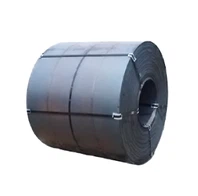
As a supplier of pipeline plate X46, I understand the importance of proper packaging to ensure the quality and integrity of the product during transportation and storage. In this blog post, I will discuss the packaging requirements for pipeline plate X46, which are crucial for maintaining the product's performance and preventing damage.
1. Protection Against Physical Damage
Pipeline plate X46 is a high - strength steel product that is often used in the construction of pipelines for oil, gas, and other industrial applications. During handling, loading, unloading, and transportation, the plates are at risk of physical damage such as scratches, dents, and impacts.
To protect against these types of damage, the plates should be packaged with sufficient cushioning materials. Soft padding, such as rubber or foam, can be placed between the plates to prevent them from rubbing against each other. When stacking the plates, the stack should be stable and the plates should be aligned properly to avoid any shifting that could cause damage.
For example, wooden pallets can be used as a base for the stack of pipeline plates. The pallets provide a stable platform and help to distribute the weight evenly. Additionally, the edges of the plates can be protected with edge protectors made of plastic or metal. These edge protectors prevent the sharp edges of the plates from being damaged and also reduce the risk of injury to workers during handling.
2. Resistance to Corrosion
Pipeline plate X46 is made of steel, which is susceptible to corrosion when exposed to moisture and oxygen. Therefore, protecting the plates from corrosion is a top priority in the packaging process.
The plates should be cleaned thoroughly before packaging to remove any dirt, grease, or other contaminants that could promote corrosion. After cleaning, a protective coating can be applied to the surface of the plates. This coating acts as a barrier between the steel and the environment, preventing moisture and oxygen from reaching the metal surface.
In addition to the protective coating, the packaging materials should also be chosen for their anti - corrosion properties. For instance, moisture - resistant wrapping materials, such as plastic films or tarpaulins, can be used to cover the stack of plates. These materials prevent water from seeping into the package and keep the plates dry. Desiccants can also be placed inside the package to absorb any residual moisture.
3. Identification and Labeling
Proper identification and labeling of the pipeline plate X46 packages are essential for easy handling, storage, and traceability. Each package should be clearly labeled with information such as the product name (pipeline plate X46), size, thickness, quantity, and batch number.
The labeling should be durable and resistant to fading, smudging, and damage during transportation. Barcodes or QR codes can also be included on the labels to facilitate automated inventory management and tracking. This allows for quick and accurate identification of the plates at various stages of the supply chain.
Moreover, safety labels should be attached to the packages to indicate any special handling instructions, such as the need for lifting equipment or the orientation of the plates. This helps to ensure that the plates are handled correctly and reduces the risk of accidents.


4. Compatibility with Transportation Modes
The packaging of pipeline plate X46 should be designed to be compatible with different transportation modes, including trucks, trains, and ships.
For truck transportation, the packages should be sized and shaped to fit within the dimensions of the truck's cargo area. They should also be secured properly to prevent shifting during transit. Straps or ropes can be used to tie down the packages to the truck bed.
In the case of train transportation, the packages need to withstand the vibrations and jolts associated with rail travel. The packaging should be robust enough to protect the plates from damage caused by these movements. Additionally, the packages should be stackable to make efficient use of the train's cargo space.
When shipping the plates by sea, the packaging must be able to withstand the harsh marine environment. The packages should be resistant to saltwater corrosion and should be designed to prevent water ingress during rough sea conditions. Specialized shipping containers can be used to provide an extra layer of protection for the pipeline plates during ocean transportation.
5. Environmental Considerations
In today's world, environmental considerations are becoming increasingly important in the packaging industry. As a supplier of pipeline plate X46, we are committed to using sustainable packaging materials.
Recyclable materials, such as cardboard, paper, and certain types of plastics, should be used whenever possible. These materials can be recycled after use, reducing the environmental impact of the packaging. Additionally, biodegradable materials can be considered as an alternative to traditional packaging materials.
We also strive to minimize the amount of packaging used while still ensuring the protection of the pipeline plates. By optimizing the packaging design, we can reduce waste and lower the overall cost of packaging.
Comparison with Other Pipeline Plates
When discussing the packaging requirements for pipeline plate X46, it is also interesting to compare them with other pipeline plates such as LX65, LX52 Pipe Line Plate X52, and LX70.
LX65, LX52, and LX70 are also high - strength pipeline plates, but they may have different chemical compositions and mechanical properties compared to X46. These differences can affect the packaging requirements. For example, if a particular plate has a higher susceptibility to corrosion, more stringent anti - corrosion packaging measures may be required.
However, in general, the basic principles of packaging, such as protection against physical damage, corrosion resistance, proper identification, and compatibility with transportation modes, apply to all these pipeline plates.
Conclusion
Proper packaging of pipeline plate X46 is essential for ensuring its quality and integrity during transportation and storage. By meeting the requirements of protection against physical damage, resistance to corrosion, proper identification and labeling, compatibility with transportation modes, and environmental considerations, we can deliver high - quality products to our customers.
If you are in the market for pipeline plate X46 or have any questions about our packaging standards, we invite you to contact us for procurement and further discussion. We are ready to provide you with the best products and services to meet your needs.
References
- ASTM International standards for steel pipeline plates.
- Industry best practices for packaging of heavy steel products.