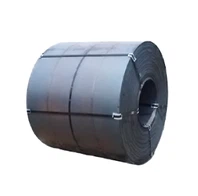
Hey there! I'm a supplier of ASTM A537CL2, and I've been in this game for quite a while. Over the years, I've learned a thing or two about optimizing the hot - working process for this material. In this blog, I'm gonna share some tips and tricks that can help you get the most out of ASTM A537CL2 during hot - working.
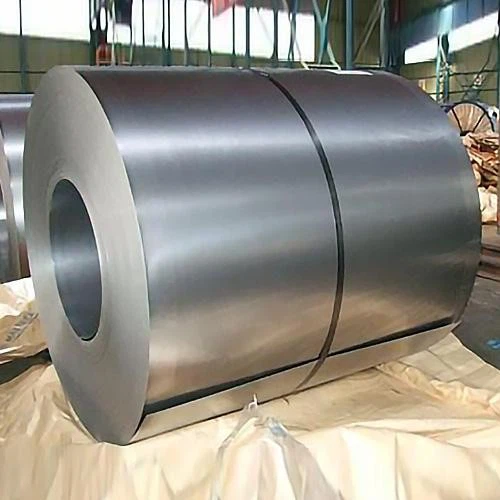
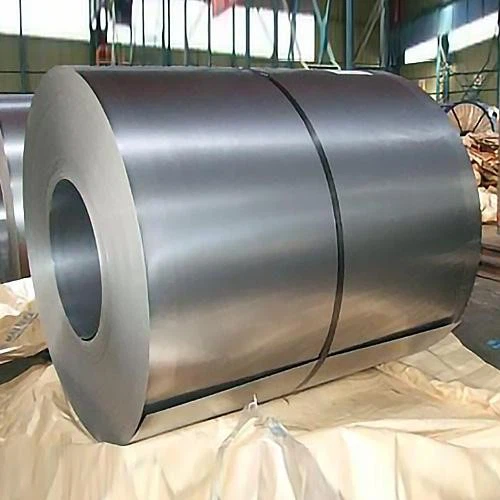
First off, let's talk about what ASTM A537CL2 is. It's a pressure vessel steel that's used in a bunch of different industries, like oil and gas, chemical processing, and power generation. This steel is known for its good toughness, weldability, and strength, which makes it a popular choice for making pressure vessels.
Now, when it comes to hot - working ASTM A537CL2, there are a few key factors that you need to keep in mind. The first one is the temperature. The hot - working temperature range for ASTM A537CL2 is typically between 950°C and 1150°C. This range is important because if you work the steel at a temperature that's too low, it can be really hard to shape, and you might end up with cracks or other defects. On the other hand, if you work it at a temperature that's too high, the steel can lose its strength and toughness.
So, how do you make sure you're working within the right temperature range? Well, you need to use a good quality pyrometer to measure the temperature of the steel. And you also need to keep an eye on the heating rate. You don't want to heat the steel too quickly, because that can cause thermal stress and lead to cracking. A slow and steady heating rate is usually the way to go.
Another important factor in the hot - working process is the deformation rate. The deformation rate refers to how fast you're changing the shape of the steel. For ASTM A537CL2, a moderate deformation rate is usually best. If you deform the steel too quickly, it can cause strain hardening, which makes the steel harder and more brittle. And if you deform it too slowly, the steel might start to cool down too much, which can also lead to problems.
When it comes to the actual hot - working operations, there are a few common ones like forging, rolling, and extrusion. For forging, you need to make sure that the hammer or press you're using has enough force to deform the steel properly. You also need to make sure that the dies are in good condition and have the right shape. If the dies are worn out or have the wrong shape, it can affect the quality of the forged part.
Rolling is another common hot - working operation for ASTM A537CL2. When rolling, you need to control the roll gap and the speed of the rolls. The roll gap determines the thickness of the rolled steel, and the roll speed affects the surface finish and the mechanical properties of the steel. You also need to make sure that the rolls are properly lubricated to reduce friction and prevent sticking.
Extrusion is a bit different from forging and rolling. In extrusion, you force the steel through a die to create a specific shape. For ASTM A537CL2, you need to make sure that the extrusion pressure is right. If the pressure is too low, the steel might not flow through the die properly, and if it's too high, it can cause the die to wear out quickly or even break.
Now, let's talk about some of the post - hot - working treatments. After hot - working, it's usually a good idea to do some heat treatment. Normalizing is a common heat treatment for ASTM A537CL2. Normalizing involves heating the steel to a temperature above its critical point and then cooling it in air. This helps to refine the grain structure of the steel, which improves its strength and toughness.
Another post - hot - working treatment is tempering. Tempering is done after normalizing or quenching. It involves heating the steel to a lower temperature and then cooling it slowly. Tempering helps to relieve the internal stresses in the steel and improve its ductility.
In addition to heat treatment, you also need to pay attention to the surface finish of the hot - worked ASTM A537CL2. A good surface finish can prevent corrosion and improve the overall appearance of the part. You can use processes like grinding, polishing, or shot - blasting to achieve a good surface finish.
Now, I also want to mention some related materials. If you're interested in other pressure vessel steels, you might want to check out astm a537 16Mo3, SA285GrA, and ASTM A537CL2 SA285GrB. These materials have their own unique properties and applications, and they might be a good fit for your project depending on your specific requirements.
So, to sum it up, optimizing the hot - working process for ASTM A537CL2 involves working within the right temperature range, using a moderate deformation rate, choosing the right hot - working operations, and doing the appropriate post - hot - working treatments. By following these tips, you can produce high - quality ASTM A537CL2 parts that meet the strict requirements of various industries.
If you're in the market for ASTM A537CL2 or have any questions about the hot - working process, don't hesitate to get in touch. I'd be more than happy to discuss your needs and help you find the best solutions for your project.
References
- "Metallurgy of Steels" by George E. Totten and D. Scott MacKenzie
- "Pressure Vessel Design Handbook" by Dennis R. Moss