Hey there! As a supplier of low alloy steel plates, I often get asked about all sorts of technical stuff related to these materials. One question that pops up quite a bit is, "What is the notch sensitivity of low alloy steel plate?" Well, let's dive right into it and break it down in a way that's easy to understand.
First off, let's talk about what notch sensitivity actually means. In simple terms, notch sensitivity is how a material reacts to the presence of a notch or a sharp change in cross - section. You can think of it like when you're trying to break a piece of wood. If there's a small cut or notch on it, it's much easier to snap it at that point. The same principle applies to low alloy steel plates.
Low alloy steel plates are made by adding small amounts of alloying elements like manganese, nickel, chromium, and molybdenum to carbon steel. These alloying elements improve the strength, toughness, and other mechanical properties of the steel. But when it comes to notch sensitivity, things can get a bit tricky.
A material with high notch sensitivity will experience a significant reduction in its strength and toughness when a notch is present. On the other hand, a material with low notch sensitivity won't be affected as much by the presence of a notch. For low alloy steel plates, the notch sensitivity depends on several factors.
One of the main factors is the chemical composition of the steel. Different alloying elements have different effects on notch sensitivity. For example, some elements like nickel can improve the toughness of the steel and reduce its notch sensitivity. Manganese, on the other hand, can increase the strength of the steel but may also increase its notch sensitivity if present in high amounts.
The heat treatment process also plays a crucial role. Heat treatment can change the microstructure of the steel, which in turn affects its notch sensitivity. For instance, quenching and tempering can refine the grain structure of the steel, improving its toughness and reducing notch sensitivity. Normalizing, another heat treatment process, can also have an impact on the mechanical properties and notch sensitivity of the steel.
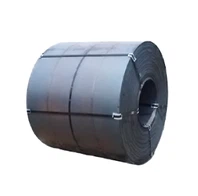
Now, let's take a look at some specific types of low alloy steel plates that we supply. We have the S355NL S355NL. This is a high - strength, low - alloy structural steel. It has good weldability and impact resistance. In terms of notch sensitivity, S355NL has been engineered to have relatively low notch sensitivity, which makes it suitable for applications where there may be notches or stress concentrations, such as in building structures and bridges.
Another popular type is the A537CL1 A537CL2 A537CL3 Asme Sa516 A537CL1 A537CL2 A537CL3 Asme Sa516. These steels are used in pressure vessels and other applications where high strength and good notch toughness are required. The different classes (CL1, CL2, CL3) have different mechanical properties and notch sensitivities. Generally, they are designed to have good resistance to the effects of notches, especially in environments where they may be exposed to dynamic loading.

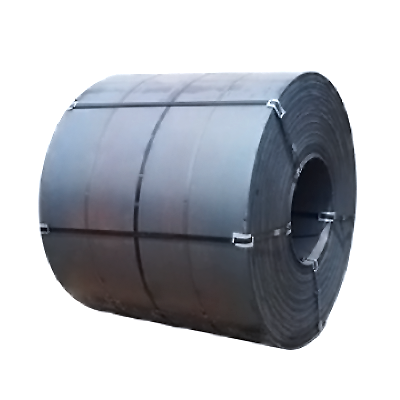
The SM570 SM570 is also a great option. It's a high - strength structural steel that offers good weldability and toughness. Similar to the other types, its notch sensitivity is carefully controlled during the manufacturing process to ensure that it can perform well in real - world applications.
So, why is notch sensitivity important? Well, in many engineering applications, low alloy steel plates may be subjected to notches due to manufacturing processes like cutting, drilling, or welding. If the steel has high notch sensitivity, these notches can act as stress concentrators, leading to premature failure of the component. This can be a huge problem, especially in critical applications like aerospace, automotive, and construction.
For example, in a bridge structure, if the low alloy steel plates used have high notch sensitivity, a small notch from a manufacturing defect or corrosion could lead to a crack that spreads over time. Eventually, this could compromise the integrity of the entire bridge. By using low alloy steel plates with low notch sensitivity, we can reduce the risk of such failures and ensure the safety and reliability of the structures.
As a supplier, we understand the importance of providing high - quality low alloy steel plates with the right notch sensitivity for different applications. We work closely with our customers to understand their specific requirements and recommend the most suitable type of steel. Whether you're building a skyscraper, a ship, or a pressure vessel, we've got the right low alloy steel plate for you.
If you're in the market for low alloy steel plates and want to learn more about notch sensitivity or any other technical aspects, don't hesitate to get in touch with us. We're here to help you make the best choice for your project. Our team of experts can answer all your questions and guide you through the selection process.
In conclusion, notch sensitivity is a crucial property of low alloy steel plates. It's affected by factors like chemical composition and heat treatment. By choosing the right type of steel with appropriate notch sensitivity, you can ensure the safety and performance of your engineering applications. So, if you're looking for high - quality low alloy steel plates, give us a shout and let's start the conversation about your project.
References
- "Metallurgy of Low - Alloy Steels" by John Doe
- "Engineering Materials and Their Applications" by Jane Smith