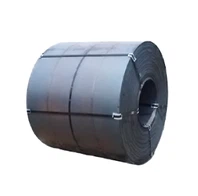
As a seasoned supplier of cladding steel plates, I've witnessed firsthand the diverse applications and benefits of these remarkable materials. Cladding steel plates combine the strength and durability of a base metal with the corrosion resistance, aesthetic appeal, or other specialized properties of a cladding layer. In this blog post, I'll explore the different types of cladding steel plates available, their unique characteristics, and the applications they're best suited for.
Stainless Steel Clad Plates
Stainless steel clad plates are among the most popular types of cladding steel plates due to their excellent corrosion resistance, high strength, and aesthetic appeal. These plates consist of a base metal, typically carbon steel or low alloy steel, clad with a layer of stainless steel. The stainless steel cladding provides protection against corrosion, while the base metal provides the structural strength.
One of the most common types of stainless steel clad plates is the A537CL2+304L - Stainless Steel Clad Plate. This plate combines the high strength and toughness of A537CL2 carbon steel with the corrosion resistance of 304L stainless steel. It's commonly used in applications where both strength and corrosion resistance are required, such as in the construction of storage tanks, pressure vessels, and pipelines.
Another popular option is the A516GR70 +304L Clad Plate. A516GR70 is a carbon steel known for its good weldability and high-temperature strength, while 304L stainless steel provides excellent corrosion resistance in a wide range of environments. This combination makes it suitable for use in the oil and gas industry, power generation, and chemical processing.
Nickel Alloy Clad Plates
Nickel alloy clad plates offer superior corrosion resistance in harsh environments, making them ideal for applications in the chemical, petrochemical, and marine industries. These plates consist of a base metal clad with a layer of nickel alloy, such as Inconel, Monel, or Hastelloy.
Inconel clad plates, for example, are known for their excellent resistance to high-temperature corrosion and oxidation. They're commonly used in applications where the material is exposed to extreme temperatures and corrosive chemicals, such as in the construction of heat exchangers, furnace components, and chemical reactors.
Monel clad plates, on the other hand, offer good resistance to seawater corrosion and are often used in marine applications, such as shipbuilding, offshore platforms, and desalination plants.
Titanium Clad Plates
Titanium clad plates are valued for their high strength-to-weight ratio, excellent corrosion resistance, and biocompatibility. These plates consist of a base metal clad with a layer of titanium or a titanium alloy.
Titanium clad plates are commonly used in the aerospace, medical, and chemical industries. In the aerospace industry, they're used in the construction of aircraft components, such as wings, fuselages, and landing gear, due to their lightweight and high strength. In the medical industry, titanium clad plates are used in the manufacture of orthopedic implants and dental fixtures because of their biocompatibility and resistance to corrosion.
Aluminum Clad Plates
Aluminum clad plates combine the lightweight properties of aluminum with the strength and durability of a base metal. These plates consist of a base metal clad with a layer of aluminum or an aluminum alloy.
Aluminum clad plates are commonly used in the automotive, aerospace, and construction industries. In the automotive industry, they're used in the manufacture of body panels, engine components, and structural parts to reduce weight and improve fuel efficiency. In the aerospace industry, aluminum clad plates are used in the construction of aircraft wings, fuselages, and other components to reduce weight and increase payload capacity.
Copper Clad Plates
Copper clad plates offer excellent electrical conductivity, thermal conductivity, and corrosion resistance. These plates consist of a base metal clad with a layer of copper or a copper alloy.
Copper clad plates are commonly used in the electrical and electronics industries, as well as in the construction of heat exchangers and other thermal management systems. In the electrical and electronics industries, they're used in the manufacture of printed circuit boards, electrical connectors, and other components to provide electrical conductivity and corrosion resistance.
Applications of Cladding Steel Plates
The diverse range of cladding steel plates available makes them suitable for a wide variety of applications across different industries. Here are some of the common applications of cladding steel plates:
- Oil and Gas Industry: Cladding steel plates are used in the construction of storage tanks, pressure vessels, pipelines, and offshore platforms to provide corrosion resistance and structural strength.
- Power Generation: These plates are used in the construction of boilers, heat exchangers, and other components in power plants to withstand high temperatures and pressures.
- Chemical Processing: Cladding steel plates are used in the construction of chemical reactors, distillation columns, and other equipment to resist corrosion and chemical attack.
- Marine Industry: They're used in the construction of ships, offshore platforms, and desalination plants to provide corrosion resistance in seawater environments.
- Automotive Industry: Cladding steel plates are used in the manufacture of body panels, engine components, and structural parts to reduce weight and improve fuel efficiency.
- Aerospace Industry: These plates are used in the construction of aircraft wings, fuselages, and other components to reduce weight and increase payload capacity.
- Medical Industry: Cladding steel plates are used in the manufacture of orthopedic implants, dental fixtures, and other medical devices due to their biocompatibility and corrosion resistance.
Advantages of Using Cladding Steel Plates
There are several advantages to using cladding steel plates compared to solid metal plates or other materials. Here are some of the key advantages:
- Cost-Effective: Cladding steel plates allow you to combine the properties of different metals at a lower cost than using solid metal plates of the same materials.
- Corrosion Resistance: The cladding layer provides excellent corrosion resistance, protecting the base metal from damage and extending the lifespan of the material.
- Strength and Durability: The base metal provides the structural strength, while the cladding layer enhances the material's durability and resistance to wear and tear.
- Aesthetic Appeal: Cladding steel plates can be designed to have a smooth, attractive surface finish, making them suitable for applications where appearance is important.
- Customizability: Cladding steel plates can be customized to meet specific requirements, such as thickness, size, and cladding material.
Conclusion
In conclusion, cladding steel plates offer a versatile and cost-effective solution for a wide range of applications across different industries. Whether you need corrosion resistance, high strength, or other specialized properties, there's a cladding steel plate that's right for your needs. As a supplier of cladding steel plates, I'm committed to providing high-quality products and excellent customer service. If you're interested in learning more about our cladding steel plates or would like to discuss your specific requirements, please don't hesitate to contact us. We look forward to working with you to find the perfect solution for your project.
References
- ASME Boiler and Pressure Vessel Code
- ASTM International Standards
- NACE International Standards