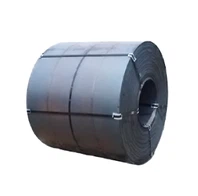
As a supplier of pipeline plate X46, I am often asked about the effects of heat treatment on this particular product. Heat treatment is a critical process in the manufacturing of pipeline plates, as it can significantly alter the mechanical properties and performance of the material. In this blog post, I will delve into the various effects of heat treatment on pipeline plate X46, exploring how it impacts the material's strength, toughness, and corrosion resistance.
Understanding Pipeline Plate X46
Before we discuss the effects of heat treatment, let's first understand what pipeline plate X46 is. Pipeline plate X46 is a high-strength, low-alloy steel plate designed specifically for use in pipeline construction. It is known for its excellent weldability, toughness, and resistance to corrosion, making it an ideal choice for transporting oil, gas, and other fluids over long distances.
The "X46" in the name refers to the minimum yield strength of the material, which is 46,000 pounds per square inch (psi). This high yield strength allows pipeline plate X46 to withstand the high pressures and stresses associated with pipeline operation, ensuring the integrity and safety of the pipeline system.
The Heat Treatment Process
Heat treatment is a controlled process that involves heating and cooling a material to alter its physical and mechanical properties. In the case of pipeline plate X46, heat treatment is typically used to improve the material's strength, toughness, and corrosion resistance.
There are several different types of heat treatment processes that can be used on pipeline plate X46, including annealing, normalizing, quenching, and tempering. Each of these processes has its own unique effects on the material, and the choice of heat treatment method will depend on the specific requirements of the application.
Annealing
Annealing is a heat treatment process that involves heating the material to a specific temperature and then cooling it slowly. This process is used to relieve internal stresses in the material, improve its ductility, and reduce its hardness. Annealing can also be used to refine the grain structure of the material, which can improve its mechanical properties.

Normalizing
Normalizing is similar to annealing, but it involves heating the material to a higher temperature and then cooling it in air. This process is used to improve the material's strength and toughness by refining the grain structure and eliminating any residual stresses. Normalizing is often used as a pre-treatment before other heat treatment processes, such as quenching and tempering.
Quenching
Quenching is a rapid cooling process that involves immersing the heated material in a liquid, such as water or oil. This process is used to harden the material by forming a martensitic structure, which is a very hard and brittle phase of steel. Quenching can significantly increase the strength and hardness of pipeline plate X46, but it can also make the material more brittle and prone to cracking.
Tempering
Tempering is a heat treatment process that involves heating the quenched material to a specific temperature and then cooling it slowly. This process is used to reduce the brittleness of the material and improve its toughness and ductility. Tempering can also be used to relieve any residual stresses in the material and improve its dimensional stability.
Effects of Heat Treatment on Pipeline Plate X46
Now that we have a basic understanding of the heat treatment process, let's explore the specific effects of heat treatment on pipeline plate X46.
Strength
One of the primary effects of heat treatment on pipeline plate X46 is an increase in strength. By using processes such as quenching and tempering, the material's yield strength and ultimate tensile strength can be significantly increased. This increased strength allows pipeline plate X46 to withstand higher pressures and stresses, making it more suitable for use in high-pressure pipeline applications.
Toughness
Heat treatment can also improve the toughness of pipeline plate X46. By refining the grain structure and reducing the brittleness of the material, processes such as normalizing and tempering can increase the material's ability to absorb energy and resist cracking. This improved toughness is particularly important in pipeline applications, where the material may be subjected to impact loads or sudden changes in pressure.
Corrosion Resistance
Another important effect of heat treatment on pipeline plate X46 is an improvement in its corrosion resistance. By using processes such as annealing and normalizing, the material's surface can be made more uniform and less prone to corrosion. Heat treatment can also be used to form a protective oxide layer on the surface of the material, which can further enhance its corrosion resistance.
Weldability
Heat treatment can also have an impact on the weldability of pipeline plate X46. By reducing the hardness and brittleness of the material, processes such as annealing and tempering can improve its weldability and reduce the risk of cracking during welding. This is particularly important in pipeline applications, where welding is a critical part of the construction process.
Choosing the Right Heat Treatment Process
The choice of heat treatment process for pipeline plate X46 will depend on the specific requirements of the application. For example, if the pipeline is going to be used in a high-pressure application, a heat treatment process such as quenching and tempering may be used to increase the material's strength and toughness. On the other hand, if the pipeline is going to be used in a corrosive environment, a heat treatment process such as annealing or normalizing may be used to improve the material's corrosion resistance.
It is also important to consider the cost and availability of the heat treatment process when making a decision. Some heat treatment processes, such as quenching and tempering, can be more expensive and time-consuming than others, such as annealing and normalizing. Therefore, it is important to balance the benefits of the heat treatment process with the cost and availability of the process.
Conclusion
In conclusion, heat treatment is a critical process in the manufacturing of pipeline plate X46. By using the right heat treatment process, it is possible to improve the material's strength, toughness, corrosion resistance, and weldability, making it more suitable for use in a wide range of pipeline applications.
As a supplier of pipeline plate X46, I have extensive experience in providing high-quality heat-treated materials to meet the specific requirements of my customers. If you are in the market for pipeline plate X46, I encourage you to contact me for more information and to discuss your specific needs. I would be happy to provide you with a quote and to answer any questions you may have about the heat treatment process or the properties of pipeline plate X46.
Related Products
If you are interested in other types of pipeline plates, I also offer a range of products, including LX56 Pipe Line Plate X60, LX70, and LX42 Pipe Line Plate. These products are also heat-treated to ensure the highest quality and performance.
References
- ASME Boiler and Pressure Vessel Code, Section VIII, Division 1
- API Specification 5L, Specification for Line Pipe
- ASTM A516/A516M, Standard Specification for Pressure Vessel Plates, Carbon Steel, for Moderate- and Lower-Temperature Service