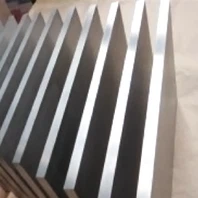
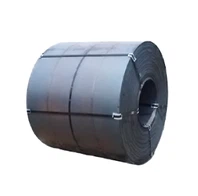
Hey there! As a supplier of vessel plate A516GR70, I often get asked about the maximum operating temperature for this type of plate. So, I thought I'd write this blog post to share what I know and answer some common questions.
First off, let's talk a bit about A516GR70. It's a popular material in the industry, especially for pressure vessels. This steel is known for its excellent notch toughness and good weldability, which makes it a top choice for many applications.
Now, the maximum operating temperature for vessel plate A516GR70 is typically around 400°C (752°F). This is based on industry standards and the material's properties. At temperatures up to this point, A516GR70 can maintain its mechanical properties reasonably well. However, it's important to note that as the temperature approaches this limit, there will be some changes in the material.
One of the main things that happens at high temperatures is a reduction in strength. The steel becomes a bit softer, and its ability to withstand stress decreases. This is why it's crucial to stay within the recommended temperature range to ensure the safety and reliability of the pressure vessel.
Another factor to consider is creep. Creep is the slow deformation of a material under a constant load over time, and it becomes more significant at higher temperatures. For A516GR70, creep can start to be a concern as the temperature gets closer to the maximum operating limit. If the vessel is subjected to high stress and high temperature for an extended period, creep could lead to permanent deformation or even failure.


So, how do you make sure you're using A516GR70 within its safe temperature range? Well, it all starts with proper design. Engineers need to take into account the expected operating conditions, including temperature, when designing the pressure vessel. They'll use calculations and simulations to ensure that the vessel can handle the loads and temperatures it will be exposed to.
Regular inspections are also essential. By checking the vessel periodically, you can detect any signs of damage or degradation early on. This could include things like cracks, excessive deformation, or changes in the material's properties. If any issues are found, they can be addressed before they become a major problem.
Now, I know what you might be thinking. "What if I need a material that can handle even higher temperatures?" Well, there are other options out there. For example, you might want to check out High Strength Plate. These plates are designed to offer better performance at elevated temperatures. They often have different alloy compositions that give them improved strength and heat resistance.
Another alternative is SM490B. This is a low-alloy steel plate that's commonly used in construction and machinery. It has good mechanical properties and can withstand relatively high temperatures.
And if you're looking for a European standard option, S355JR is worth considering. It's a widely used structural steel that can be a good choice for applications where high temperatures are a concern.
As a supplier of A516GR70, I'm here to help you make the right choice for your project. Whether you need advice on the maximum operating temperature, or you're looking for an alternative material, I've got the knowledge and experience to assist you.
If you're in the market for vessel plate A516GR70 or any of the other materials I mentioned, don't hesitate to reach out. We can have a chat about your specific requirements and see how we can work together to get you the best solution. Contact me to start the procurement discussion, and let's find the perfect steel plate for your needs.
References
- ASME Boiler and Pressure Vessel Code
- ASTM International standards for A516GR70
- Industry research on high-temperature steel performance