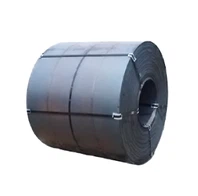
Optimizing the mechanical properties of low alloy steel plates through alloy design is a crucial aspect of our business as a low alloy steel plate supplier. In this blog, we will explore the key principles and strategies for achieving this goal, which can enhance the performance and durability of our products.
Understanding Low Alloy Steel
Low alloy steel is a type of steel that contains a small amount of alloying elements, typically less than 5% by weight. These alloying elements are added to improve the mechanical properties of the steel, such as strength, toughness, and corrosion resistance. Common alloying elements in low alloy steel include manganese, silicon, chromium, nickel, and molybdenum.
The mechanical properties of low alloy steel are influenced by several factors, including the chemical composition, heat treatment, and manufacturing process. By carefully controlling these factors, we can optimize the mechanical properties of the steel to meet the specific requirements of our customers.
Alloy Design for Optimizing Mechanical Properties
Selecting the Right Alloying Elements
The first step in alloy design is to select the appropriate alloying elements based on the desired mechanical properties. For example, if high strength is required, elements such as manganese, chromium, and molybdenum can be added to increase the hardenability and strength of the steel. On the other hand, if toughness is the primary concern, elements such as nickel and vanadium can be added to improve the impact resistance of the steel.
Controlling the Composition
Once the alloying elements have been selected, it is important to control the composition of the steel precisely. This can be achieved through careful melting and refining processes to ensure that the desired alloying elements are present in the correct proportions. In addition, the presence of impurities such as sulfur and phosphorus should be minimized, as these elements can have a negative impact on the mechanical properties of the steel.
Heat Treatment
Heat treatment is another important factor in optimizing the mechanical properties of low alloy steel. By subjecting the steel to different heat treatment processes, such as quenching and tempering, we can alter the microstructure of the steel and improve its strength, toughness, and hardness. For example, quenching the steel in water or oil after heating it to a high temperature can result in a martensitic microstructure, which is very hard and strong. However, this microstructure is also brittle, so tempering is usually required to reduce the brittleness and improve the toughness of the steel.
Manufacturing Process
The manufacturing process can also have a significant impact on the mechanical properties of low alloy steel. For example, rolling the steel at a high temperature can result in a fine-grained microstructure, which can improve the strength and toughness of the steel. In addition, the use of advanced manufacturing techniques such as hot rolling and cold rolling can also help to optimize the mechanical properties of the steel.
Case Studies
A572GR50
A572GR50 is a type of low alloy steel plate that is widely used in structural applications. By carefully controlling the alloy composition and heat treatment process, we have been able to optimize the mechanical properties of A572GR50 to meet the high strength and toughness requirements of our customers. The steel has a minimum yield strength of 50 ksi and a minimum tensile strength of 65 ksi, making it suitable for use in a variety of structural applications.
NM450 Abrasion Resistant Wear Plates
NM450 Abrasion Resistant Wear Plates are designed to provide excellent wear resistance in harsh environments. Through alloy design and heat treatment, we have been able to improve the hardness and toughness of NM450 plates, making them highly resistant to abrasion and impact. These plates are commonly used in industries such as mining, construction, and agriculture.
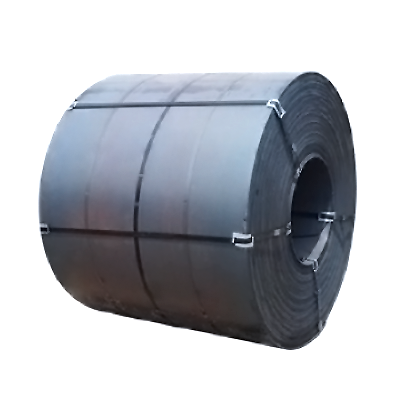

S355JO
S355JO is a European standard low alloy steel plate that is widely used in general construction and engineering applications. By optimizing the alloy composition and manufacturing process, we have been able to produce S355JO plates with excellent mechanical properties, including high strength, good toughness, and weldability. These plates are suitable for use in a variety of applications, such as bridges, buildings, and machinery.
Conclusion
In conclusion, optimizing the mechanical properties of low alloy steel plates through alloy design is a complex but essential process. By carefully selecting the alloying elements, controlling the composition, applying appropriate heat treatment, and using advanced manufacturing techniques, we can produce low alloy steel plates with excellent mechanical properties that meet the specific requirements of our customers.
If you are interested in our low alloy steel plates and would like to discuss your specific requirements, please feel free to contact us for a detailed consultation. We are committed to providing high-quality products and excellent customer service, and we look forward to working with you to meet your steel plate needs.
References
- ASM Handbook Volume 1: Properties and Selection: Irons, Steels, and High-Performance Alloys.
- Steelmaking and Refining Handbook: Theory and Practice.
- Metallurgy for the Non-Metallurgist.