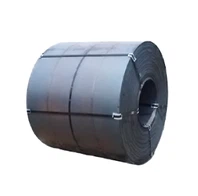
Hey there! I'm a supplier of Pressure Vessel Plates, and today I wanna chat about how the chemical composition of these plates can really shake things up. Pressure vessel plates are super important in industries like oil and gas, chemical processing, and power generation. They need to handle high pressures and sometimes harsh environments, so their chemical makeup plays a huge role in how well they perform.
Let's start with the basics. The main elements in pressure vessel plates usually include carbon, manganese, silicon, sulfur, and phosphorus. Each of these elements has its own job and can affect the plate's properties in different ways.
Carbon is a key player. It's pretty much the backbone of the steel in these plates. A higher carbon content generally means greater strength and hardness. But here's the catch: too much carbon can make the plate more brittle. That's a big no - no when you're dealing with pressure vessels because you need them to be tough enough to withstand pressure without cracking. For example, in some applications where high strength is crucial, like in deep - sea oil rigs, a slightly higher carbon content might be acceptable as long as proper heat treatment is done to balance the brittleness.
Manganese is another important element. It helps improve the strength and toughness of the plate. It also acts as a deoxidizer during the steel - making process. When manganese combines with sulfur, it forms manganese sulfide, which reduces the harmful effects of sulfur in the steel. Sulfur, on its own, can cause hot shortness in steel. This means that the steel becomes brittle at high temperatures, which is a major problem for pressure vessels that might be exposed to heat during operation. So, having the right amount of manganese is essential to counteract the negative effects of sulfur.
Silicon is used as a deoxidizer and also helps improve the strength and hardness of the plate. It can enhance the plate's resistance to oxidation, which is great for vessels that are exposed to oxygen - rich environments. However, if the silicon content is too high, it can lead to a decrease in the plate's ductility.
Now, let's talk about sulfur and phosphorus. These are considered impurities in pressure vessel plates. Sulfur, as I mentioned earlier, can cause hot shortness. Phosphorus, on the other hand, can cause cold shortness. Cold shortness means that the steel becomes brittle at low temperatures. In applications where the vessel might be exposed to cold environments, like in Arctic oil exploration, a low phosphorus content is crucial.
Let's take a look at some specific types of pressure vessel plates and how their chemical compositions affect their performance.
First up is P295GH. This plate is commonly used in the construction of pressure vessels in the European market. It has a relatively low carbon content, which gives it good weldability. Weldability is super important because most pressure vessels are assembled by welding different parts together. The low carbon content also helps prevent the formation of hard and brittle zones during welding. The presence of other elements like manganese and silicon in appropriate amounts ensures that the plate has the necessary strength and toughness.
Then there's SA516GR70. This is a popular choice in the American market, especially for vessels used in the storage of liquids and gases at low to moderate temperatures. The chemical composition of SA516GR70 is carefully balanced to provide good notch toughness. Notch toughness is the ability of the steel to resist cracking when there's a notch or a defect in the material. This is crucial because pressure vessels can develop small cracks over time due to stress and fatigue. A plate with high notch toughness is less likely to fail catastrophically.
SA285GrC A387GR11CL2 is another type of pressure vessel plate. SA285GrC is used for low - and intermediate - strength vessels, and it has a relatively low carbon and alloy content. This makes it cost - effective while still providing adequate strength for its intended applications. A387GR11CL2, on the other hand, is an alloy steel plate. It contains chromium and molybdenum, which give it excellent resistance to high - temperature corrosion and oxidation. These properties make it suitable for use in high - temperature and high - pressure applications, such as in power plants.
In addition to these main elements, there are also some trace elements that can have a significant impact on the properties of pressure vessel plates. For example, nickel can improve the toughness and corrosion resistance of the plate, especially at low temperatures. Chromium can enhance the plate's resistance to oxidation and corrosion. Molybdenum can increase the strength and creep resistance of the plate at high temperatures. Creep is the gradual deformation of a material under a constant load over time, and it's a major concern in high - temperature pressure vessel applications.
The chemical composition of pressure vessel plates also affects their heat treatment response. Heat treatment is often used to optimize the properties of the plates. For example, quenching and tempering can be used to increase the strength and toughness of the plate. The chemical composition determines how the plate will respond to these heat treatment processes. A plate with a high carbon content might require a different quenching and tempering process compared to a low - carbon plate.
When it comes to manufacturing pressure vessel plates, strict quality control is essential to ensure that the chemical composition meets the required standards. Any deviation from the specified chemical composition can lead to a significant change in the plate's properties. For example, if the sulfur content is higher than allowed, it can lead to the formation of cracks during welding or during service.
As a pressure vessel plate supplier, I understand the importance of getting the chemical composition right. That's why we have a team of experts who closely monitor the steel - making process to ensure that each plate meets the highest quality standards. We also offer a wide range of pressure vessel plates with different chemical compositions to meet the diverse needs of our customers.


If you're in the market for pressure vessel plates, whether you need a plate with high strength for a high - pressure application or a plate with good corrosion resistance for a harsh environment, we've got you covered. We can provide you with detailed information about the chemical composition and properties of our plates to help you make the right choice.
So, if you're interested in learning more or if you have a specific requirement for pressure vessel plates, don't hesitate to reach out for a procurement discussion. We're here to assist you in finding the perfect solution for your pressure vessel needs.
References
- ASME Boiler and Pressure Vessel Code
- European Standard EN 10028 for Pressure Vessel Steels
- ASTM International Standards for Pressure Vessel Plates