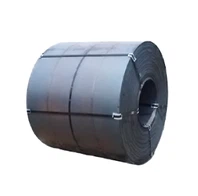
As a reliable supplier of ASTM A537CL2 steel plates, I am often asked about the hardness range of this particular material. Understanding the hardness range is crucial for various applications, especially in industries where the material's mechanical properties play a significant role. In this blog post, I will delve into the hardness range of ASTM A537CL2, its influencing factors, and its importance in different applications.
What is ASTM A537CL2?
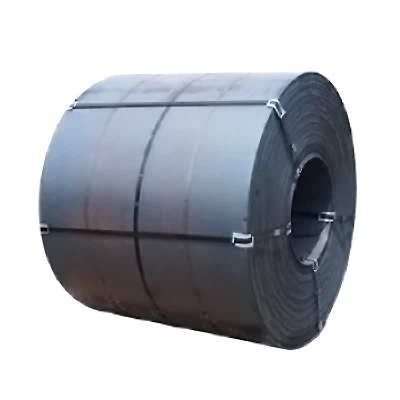
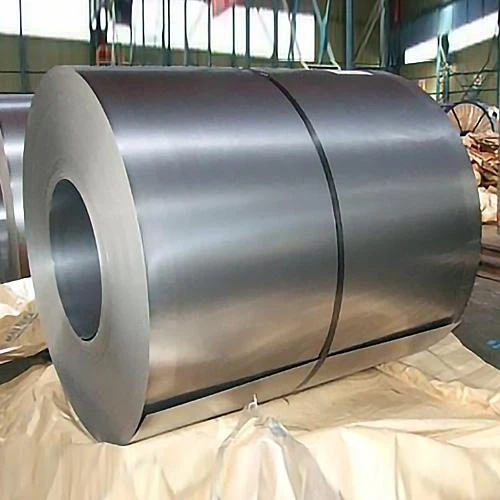
ASTM A537CL2 is a quenched and tempered carbon - manganese - silicon steel plate. It is commonly used in pressure vessels, storage tanks, and other applications where high strength and good toughness are required at low temperatures. This steel grade is known for its excellent weldability and formability, making it a popular choice in the manufacturing industry.
Hardness Range of ASTM A537CL2
The hardness of ASTM A537CL2 is typically measured using the Brinell hardness test (HB) or the Rockwell hardness test (HR). The hardness range for ASTM A537CL2 can vary depending on several factors, including the plate thickness, heat treatment process, and chemical composition.
Generally, the Brinell hardness of ASTM A537CL2 plates usually falls within the range of 170 - 230 HB. For the Rockwell hardness, it approximately corresponds to 80 - 90 HRB. However, these values are not absolute and can deviate slightly based on the specific manufacturing process and quality control measures of the steel mill.
Influencing Factors on Hardness
Plate Thickness
Thicker plates may have a slightly different hardness distribution compared to thinner ones. During the quenching process, the cooling rate of the plate can vary from the surface to the core. Thicker plates may cool more slowly at the core, resulting in a slightly lower hardness in the center compared to the surface. This phenomenon is known as the quenching effect, and it can influence the overall hardness range of the plate.
Heat Treatment Process
The quenching and tempering process is critical in determining the hardness of ASTM A537CL2. Quenching involves rapid cooling of the steel from a high temperature to transform the austenite structure into martensite, which is a hard and brittle phase. Tempering is then carried out to reduce the brittleness and improve the toughness of the steel. The temperature and time of tempering can significantly affect the final hardness of the material. If the tempering temperature is too high or the time is too long, the hardness will decrease. Conversely, insufficient tempering may result in a material that is too hard and prone to cracking.
Chemical Composition
The chemical composition of ASTM A537CL2 also plays a vital role in its hardness. Elements such as carbon, manganese, silicon, and other alloying elements can affect the hardenability of the steel. Carbon is the most significant element in determining the hardness of steel. Higher carbon content generally leads to higher hardness. Manganese can enhance the hardenability and strength of the steel, while silicon can improve the oxidation resistance and strength. Other alloying elements, such as nickel, chromium, and molybdenum, may also be added in small amounts to further improve the mechanical properties of the steel.
Importance of Hardness in Different Applications
Pressure Vessels
In pressure vessel applications, the hardness of ASTM A537CL2 is crucial for ensuring the structural integrity of the vessel. The vessel needs to withstand high internal pressures without deformation or failure. A proper hardness range ensures that the material has sufficient strength to resist the pressure and also has good toughness to prevent brittle fracture. If the hardness is too low, the vessel may deform under pressure, while if it is too high, it may be prone to cracking, especially during welding or when subjected to sudden temperature changes.
Storage Tanks
Storage tanks used for storing various liquids and gases also require ASTM A537CL2 with the appropriate hardness. The material needs to resist corrosion, abrasion, and the mechanical stresses caused by the stored substances. A suitable hardness range helps to maintain the tank's shape and prevent leakage. For example, in tanks storing corrosive chemicals, a harder surface can provide better resistance to chemical attack.
Comparison with Other Steel Grades
When comparing ASTM A537CL2 with other steel grades used in similar applications, such as P335GH Pressure Plate SA516GR70, SA285GrC A387GR11CL2, and SA516GR70, the hardness range can vary. P335GH is a European standard pressure vessel steel, and its hardness range may be different due to differences in chemical composition and manufacturing processes. SA285GrC is a lower - strength steel used for boilers and pressure vessels, and it generally has a lower hardness compared to ASTM A537CL2. SA516GR70 is a common carbon steel for pressure vessels, and its hardness also depends on the specific heat treatment and thickness.
Quality Control in Hardness Testing
As a supplier of ASTM A537CL2, we implement strict quality control measures to ensure that the hardness of our products meets the specified range. We use advanced hardness testing equipment, such as Brinell and Rockwell hardness testers, to perform regular inspections on our plates. Each batch of steel plates is tested at multiple points to ensure a uniform hardness distribution. We also maintain detailed records of the hardness test results for traceability and quality assurance purposes.
Conclusion
The hardness range of ASTM A537CL2 is an important characteristic that affects its performance in various applications. A typical hardness range of 170 - 230 HB (Brinell) or 80 - 90 HRB (Rockwell) provides a good balance between strength and toughness. However, factors such as plate thickness, heat treatment, and chemical composition can influence this range. As a professional supplier, we are committed to providing high - quality ASTM A537CL2 steel plates with consistent hardness and excellent mechanical properties.
If you are in the market for ASTM A537CL2 steel plates or have any questions about their hardness or other properties, please feel free to contact us for further discussion and procurement negotiation. We look forward to serving you and meeting your specific requirements.
References
- ASTM International. ASTM A537/A537M - 18 Standard Specification for Pressure Vessel Plates, Heat - Treated, Carbon - Manganese - Silicon Steel.
- ASME Boiler and Pressure Vessel Code. Section II, Part A - Ferrous Material Specifications.