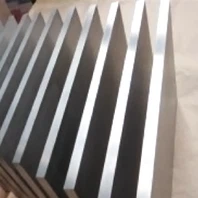
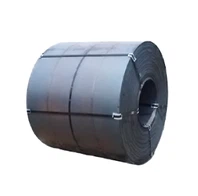
ASME SA516 is a widely recognized specification for pressure vessel plates, primarily used in the fabrication of boilers, storage tanks, and other pressure-containing equipment. As a supplier of ASME SA516, I have a deep understanding of its characteristics, including its wear resistance properties. In this blog, I will delve into the wear resistance of ASME SA516, exploring the factors that influence it and comparing it with other related materials.
Understanding Wear Resistance
Wear resistance refers to a material's ability to withstand the removal of material from its surface due to mechanical action, such as friction, abrasion, or erosion. In industrial applications, materials with good wear resistance are crucial for ensuring the longevity and reliability of equipment. For ASME SA516, which is often used in harsh environments where it may be exposed to abrasive substances or mechanical wear, understanding its wear resistance properties is essential.
Factors Affecting the Wear Resistance of ASME SA516
Chemical Composition
The chemical composition of ASME SA516 plays a significant role in determining its wear resistance. The main elements in SA516 include carbon (C), manganese (Mn), phosphorus (P), sulfur (S), silicon (Si), and trace amounts of other elements. Carbon is one of the most important elements as it can increase the hardness of the steel, which generally improves wear resistance. However, too much carbon can also make the steel brittle, reducing its toughness. Manganese helps to improve the strength and hardenability of the steel, contributing to better wear resistance. Silicon is added to deoxidize the steel and can also enhance its strength and hardness.
Heat Treatment
Heat treatment is another crucial factor that affects the wear resistance of ASME SA516. Normalizing, annealing, and quenching and tempering are common heat treatment processes for SA516. Normalizing involves heating the steel to a specific temperature and then cooling it in air. This process refines the grain structure of the steel, improving its strength and toughness, which in turn can enhance wear resistance. Annealing is used to relieve internal stresses and improve the machinability of the steel. Quenching and tempering can significantly increase the hardness and strength of the steel, resulting in excellent wear resistance. However, this process requires careful control to avoid cracking and other defects.
Microstructure
The microstructure of ASME SA516 is closely related to its wear resistance. A fine-grained microstructure generally provides better wear resistance than a coarse-grained one. This is because fine grains can resist the propagation of cracks and deformation more effectively. The presence of different phases in the microstructure, such as ferrite and pearlite, also affects wear resistance. Ferrite is a relatively soft phase, while pearlite is harder. A balanced microstructure with an appropriate proportion of ferrite and pearlite can provide a good combination of strength, toughness, and wear resistance.
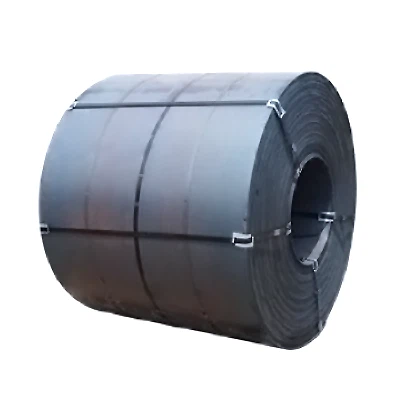

Comparison with Other Related Materials
A633GRD Low Alloy Steel Plate
A633GRD is a low alloy steel plate that is often used in structural applications, including bridges and buildings. Compared to ASME SA516, A633GRD generally has a higher strength and better atmospheric corrosion resistance. However, in terms of wear resistance, ASME SA516 may have an advantage in some cases, especially when it is properly heat-treated. The chemical composition and microstructure of ASME SA516 can be tailored to provide better wear resistance in abrasive environments.
S355JO
S355JO is a European standard low alloy steel that is widely used in general construction and engineering applications. It has good weldability and formability. While S355JO has similar strength levels to ASME SA516, its wear resistance may be different. ASME SA516, with its specific chemical composition and heat treatment options, can be optimized for better wear resistance in applications where wear is a critical factor.
A573GR70
A573GR70 is a high-strength, low-alloy steel plate used in structural applications. It has good toughness and impact resistance. In terms of wear resistance, ASME SA516 and A573GR70 may have comparable performance in some cases. However, the specific wear resistance of each material depends on its chemical composition, heat treatment, and the operating conditions. ASME SA516 can be designed to have better wear resistance in applications where high levels of abrasion are expected.
Applications of ASME SA516 Based on Its Wear Resistance
Pressure Vessels
In pressure vessels, ASME SA516 is often used in environments where it may be exposed to abrasive substances or mechanical wear. For example, in oil and gas storage tanks, the inner surface of the tank may be in contact with crude oil or other abrasive fluids. The wear resistance of ASME SA516 helps to ensure the long-term integrity of the tank, preventing leakage and other failures.
Boilers
Boilers are another important application of ASME SA516. In boilers, the tubes and other components are subjected to high temperatures, pressure, and the flow of steam and water. The wear resistance of ASME SA516 is crucial for preventing erosion and corrosion, which can lead to reduced efficiency and premature failure of the boiler.
Mining Equipment
In the mining industry, ASME SA516 can be used in the fabrication of equipment such as crushers, conveyors, and hoppers. These equipment are often exposed to highly abrasive materials, such as rocks and ores. The wear resistance of ASME SA516 helps to extend the service life of the equipment, reducing maintenance costs and downtime.
How to Optimize the Wear Resistance of ASME SA516
Select the Right Grade
ASME SA516 is available in different grades, such as Grade 55, Grade 60, Grade 65, and Grade 70. Each grade has different chemical compositions and mechanical properties. When selecting the grade of ASME SA516, it is important to consider the specific application requirements, including the level of wear and the operating conditions. For applications with high levels of abrasion, a higher grade with better wear resistance may be preferred.
Proper Heat Treatment
As mentioned earlier, heat treatment is a key factor in improving the wear resistance of ASME SA516. Working with a qualified heat treatment provider is essential to ensure that the heat treatment process is carried out correctly. The heat treatment parameters, such as temperature, time, and cooling rate, should be carefully controlled to achieve the desired microstructure and mechanical properties.
Surface Treatment
Surface treatment can also be used to enhance the wear resistance of ASME SA516. Coating the surface with a wear-resistant material, such as a ceramic or a hard metal, can provide an additional layer of protection against wear. Surface hardening processes, such as nitriding or carburizing, can also increase the hardness and wear resistance of the surface layer.
Conclusion
The wear resistance of ASME SA516 is influenced by various factors, including chemical composition, heat treatment, and microstructure. By understanding these factors and taking appropriate measures, the wear resistance of ASME SA516 can be optimized for different applications. Compared to other related materials, ASME SA516 has its own advantages in terms of wear resistance, especially when it is properly designed and processed. Whether you are in the pressure vessel, boiler, or mining industry, ASME SA516 can be a reliable choice for applications where wear resistance is a critical requirement.
If you are interested in purchasing ASME SA516 or have any questions about its wear resistance properties, please feel free to contact us for further discussion and negotiation. We are committed to providing high-quality ASME SA516 products and excellent customer service to meet your specific needs.
References
- ASME Boiler and Pressure Vessel Code, Section II, Part A - Ferrous Materials
- ASTM A516/A516M - Standard Specification for Pressure Vessel Plates, Carbon Steel, for Moderate- and Lower-Temperature Service
- Metals Handbook, Volume 1: Properties and Selection: Irons, Steels, and High-Performance Alloys