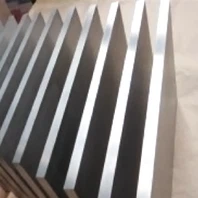
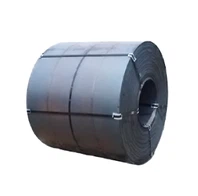
Hey there! As a supplier of abrasion plates, I often get asked about the dimensions of a standard abrasion plate. It's a pretty common question, and understandably so. After all, knowing the right dimensions is crucial when you're looking to buy these plates for your projects.
First off, let's talk about what an abrasion plate is. Simply put, an abrasion plate is a type of steel plate that's designed to resist wear and tear caused by friction, impact, and other abrasive forces. These plates are used in a wide range of industries, from mining and construction to manufacturing and transportation.
Now, when it comes to the dimensions of a standard abrasion plate, there isn't a one - size - fits - all answer. The dimensions can vary depending on several factors, such as the specific application, the manufacturer, and the customer's requirements.
Thickness
One of the most important dimensions of an abrasion plate is its thickness. Thickness can range from as thin as 3mm to as thick as 100mm or more. For light - duty applications, like in some conveyor systems where the abrasion is relatively mild, a thinner plate, say around 3 - 6mm, might be sufficient. These thinner plates are also more flexible and can be easier to work with in certain fabrication processes.
On the other hand, for heavy - duty applications such as in mining equipment where the plates are constantly exposed to large rocks and high - impact forces, a much thicker plate is needed. Plates with a thickness of 20mm or more are commonly used in these scenarios. For example, in a large mining dump truck's body, thick abrasion plates are essential to withstand the constant abrasion from the dumped materials.
Width and Length
The width and length of abrasion plates also vary. Standard widths usually range from 1000mm to 2500mm, while lengths can go from 2000mm to 12000mm. These standard sizes are convenient because they can be easily transported and handled. However, many manufacturers, including us as a supplier, can also produce custom - sized plates.
If you're working on a project with specific space constraints or unique design requirements, custom - sized plates can be a great option. For instance, if you're building a specialized piece of machinery with a non - standard shape, we can cut the abrasion plates to the exact width and length you need.
Common Grades and Their Associated Dimensions
There are different grades of abrasion plates, each with its own characteristics and typical dimensions. Let's take a look at some of the popular grades.
NM360 Abrasion Resistant Plate
The NM360 Abrasion Resistant Plate is a widely used grade. It offers good abrasion resistance at a relatively lower cost. In terms of dimensions, it's commonly available in thicknesses from 6mm to 60mm, widths from 1500mm to 2500mm, and lengths from 6000mm to 12000mm. This grade is suitable for many general - purpose applications, like in agricultural machinery and some medium - duty construction equipment.
NM500 Wear Steel Plate
The NM500 Wear Steel Plate has a higher hardness and better abrasion resistance compared to NM360. It's often used in more demanding applications. Thicknesses for NM500 plates typically range from 8mm to 80mm. Widths are usually between 1800mm and 2500mm, and lengths can be from 6000mm to 10000mm. For example, in a quarry where the equipment is constantly exposed to sharp rocks, NM500 plates can provide the necessary durability.
NM600 Abrasion Steel Plate
The NM600 Abrasion Steel Plate is one of the toughest grades. It has extremely high hardness and excellent abrasion resistance. Due to its high - performance nature, it's often used in the most severe abrasion environments. Thicknesses for NM600 plates usually start from 10mm and can go up to 60mm. Widths are commonly around 2000mm to 2500mm, and lengths are from 6000mm to 10000mm. In industries like steelmaking, where the plates are exposed to molten metal splashes and high - temperature abrasion, NM600 is a top choice.
Factors Affecting Dimension Selection
When choosing the dimensions of an abrasion plate, there are several factors to consider.
Application Requirements
As mentioned earlier, the specific application plays a huge role. If it's a high - impact application, you'll need a thicker plate. If space is limited, you'll have to be more careful about the width and length. For example, in a small - scale recycling plant, the plates need to fit into the existing machinery, so the dimensions need to be precisely chosen.
Cost
Thicker and larger plates generally cost more. So, you need to balance the performance requirements with the budget. Sometimes, a slightly thinner plate might be acceptable if the abrasion is not too severe, which can save you some money.
Fabrication and Installation
The ease of fabrication and installation also matters. Larger and thicker plates can be more difficult to cut, bend, and install. If your project has limited fabrication capabilities or a tight installation schedule, you might want to choose more manageable dimensions.
Our Services as a Supplier
As a supplier of abrasion plates, we understand that every customer's needs are unique. That's why we offer a wide range of dimensions and grades. Whether you need a standard - sized NM360 plate for a simple conveyor system or a custom - sized NM600 plate for a high - tech mining operation, we've got you covered.
We also provide value - added services such as cutting, drilling, and surface treatment. Our team of experts can help you select the right dimensions and grade for your specific application. We're committed to providing high - quality products at competitive prices and ensuring timely delivery.
If you're in the market for abrasion plates, don't hesitate to get in touch with us. We're here to answer all your questions and help you make the best choice for your project. Whether you're a small business owner or part of a large corporation, we can work with you to meet your abrasion plate needs.

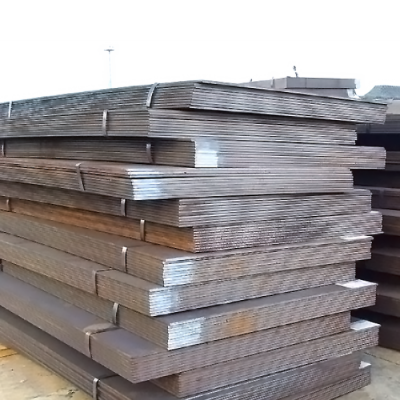
In conclusion, the dimensions of a standard abrasion plate can vary widely, but by considering the application, cost, and fabrication requirements, you can choose the right plate for your project. And if you need any assistance, we're just a message away.
References
- Steel Construction Manual, American Institute of Steel Construction
- Handbook of Abrasive Wear, Elsevier