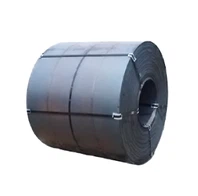
Hey there! As a supplier of low alloy steel plates, I often get asked about the fracture toughness of these materials. So, I thought I'd take a moment to break it down for you.
First off, let's talk about what fracture toughness actually means. In simple terms, fracture toughness is a material's ability to resist the propagation of cracks. When a crack forms in a material, it can start to grow under stress, and if the material doesn't have enough fracture toughness, that crack can lead to catastrophic failure. This is super important in applications where the steel plate is going to be under a lot of stress, like in construction, heavy machinery, or oil and gas pipelines.
Now, low alloy steel plates are really popular because they offer a great balance of strength, ductility, and weldability. But their fracture toughness can vary quite a bit depending on a few factors.
One of the biggest factors is the chemical composition of the steel. Low alloy steels typically contain small amounts of alloying elements like manganese, nickel, chromium, and molybdenum. These elements can have a big impact on the fracture toughness. For example, nickel is known to improve the toughness of steel, especially at low temperatures. Manganese can also help by refining the grain structure of the steel, which in turn can increase its fracture resistance.
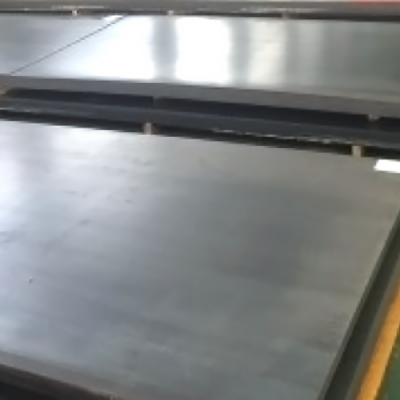
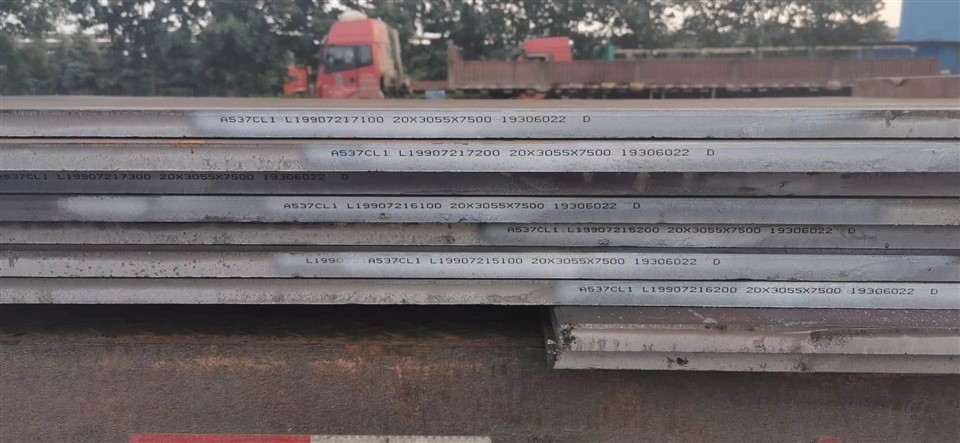
The heat treatment process is another crucial factor. Heat treatment can change the microstructure of the steel, which affects its mechanical properties, including fracture toughness. For instance, quenching and tempering is a common heat treatment process for low alloy steel plates. Quenching involves rapidly cooling the steel from a high temperature, which can form a hard and brittle martensitic structure. Then, tempering is done to relieve the internal stresses and improve the toughness of the steel. If the heat treatment is not done correctly, the steel might end up with poor fracture toughness.
The manufacturing process also plays a role. For example, the way the steel is rolled can affect its grain orientation and size. A well - controlled rolling process can produce a more uniform grain structure, which is beneficial for fracture toughness.
Let's take a look at some specific types of low alloy steel plates that we supply. We have A537CL1 A537CL2 A537CL3 Asme Sa516. These are carbon - manganese - silicon steel plates that are commonly used in pressure vessel applications. They are designed to have good notch toughness, which is related to fracture toughness. The different classes (CL1, CL2, CL3) have slightly different chemical compositions and heat treatment requirements, which result in different levels of toughness and strength.
Another popular product is the NM450 Abrasion Resistant Wear Plates. These plates are mainly used in applications where wear resistance is important, like in mining equipment. While their primary focus is on wear resistance, they also need to have a certain level of fracture toughness to withstand the impact and stress during operation.
We also supply SM490B, which is a high - strength low - alloy steel plate commonly used in construction and general engineering applications. It has good weldability and mechanical properties, including fracture toughness, which makes it suitable for a wide range of uses.
Testing the fracture toughness of low alloy steel plates is usually done using standardized tests. One of the most common tests is the Charpy V - notch test. In this test, a small specimen with a V - shaped notch is struck with a pendulum hammer. The energy absorbed during the fracture of the specimen is measured, and this energy is an indication of the fracture toughness of the steel. Another test is the fracture mechanics test, which is more complex and is used to determine the critical stress intensity factor, which is a measure of the material's resistance to crack propagation.
When it comes to choosing the right low alloy steel plate for your application, it's important to consider the required fracture toughness. If your application involves high - stress conditions or low - temperature environments, you'll need a steel plate with high fracture toughness. For example, in offshore oil and gas platforms, where the steel is exposed to harsh environmental conditions and high loads, a steel plate with excellent fracture toughness is a must.
As a supplier, we make sure that all our low alloy steel plates meet the required standards for fracture toughness. We work closely with our customers to understand their specific needs and recommend the most suitable steel plates. We have a team of experts who can help you with the selection process, taking into account factors like the operating environment, the type of stress the steel will be under, and the budget.
If you're in the market for low alloy steel plates and want to learn more about their fracture toughness or have any other questions, don't hesitate to get in touch. We're here to assist you in finding the best solution for your project. Whether you're working on a small - scale construction project or a large - scale industrial application, we have the right low alloy steel plates for you. Let's start a conversation about your requirements, and we can figure out the best way to move forward together.
In conclusion, fracture toughness is a vital property of low alloy steel plates. Understanding the factors that affect it, such as chemical composition, heat treatment, and manufacturing process, is crucial for choosing the right steel for your application. And as a reliable supplier, we're committed to providing high - quality low alloy steel plates with excellent fracture toughness. So, get in touch with us today, and let's work on your project!
References
- "The Science and Engineering of Materials" by Donald R. Askeland and Pradeep P. Phule
- "Metallurgy and Mechanics of Welding" by John Norrish
- ASTM standards related to low alloy steel plates