

Products

NM450 Abrasion Resistant Wear Plates
Qinhuangdao Aotong was founded in 2004,it is a geoup management enterprises with the collection of trade ,steel further processing and warehousing logistics .The three major business sector include the Aotong metal center and the Aotong logistics center .The factory covers an area of 202000 square meters.The company has established Chenggang Wuyang and other major steel mills and traders across the country.The main products include medium and heavy steel plates,hot rolled coils, cold rolled pickled plates ,profiles building materials,etc.,with annual sales of more than 300 thousand tons.In addition to serving many domestic end-users and large and medium-sized projects,the products are exported to Europe,South America and Southeast Asia.
Why Choose Us
Factory strength
Wuhan building material lndustry design & research institute co., ltd., subordinated to cnbm was established in 1965. Lt is the leading company in fiber cement board / calcium silicate board machinery industry, and has sold more than 200 lines all over the world.
Rich experience
Wuhan institute has been deeply engaged in the calcium silicate board / fiber cement board industry for more than 40 years, so far, it has cooperated with many large group companies such as shera, saint-gobain, ask, conch cement, etc., and has cooperated in more than 200 production lines in the world.
Professional team
400 employees, including 16 professor-level senior engineers, 70 senior engineers, 90 engineers with medium-grade professional title or above, and 310 technical staff with other majors.
Quality control
The company also has modern laboratories to help the customers to choose the most suitable rawmaterials and production formula through the testing of raw materials and final products.
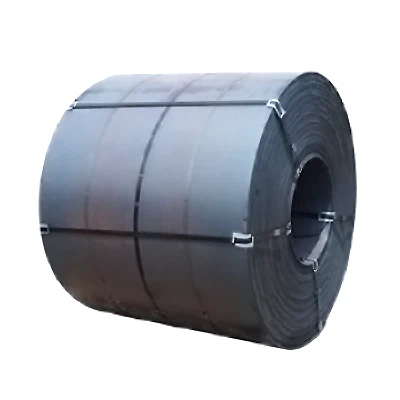
A572GR50 is a high-strength, low-alloy structural steel that offers excellent weldability and impact resistance. It is commonly used in construction and engineering projects where a combination of strength and toughness is required. With its superior strength and durability, A572GR50 is widely recognized and utilized in various industries.

A572GR55 Heavy Plate is a high-strength, low-alloy structural steel that offers superior strength and excellent weldability. It is specifically designed for applications requiring higher yield and tensile strength compared to standard grades. A572GR55 is commonly used in construction and engineering projects where heavy-duty materials are needed to withstand extreme conditions. With its exceptional strength and reliability, A572GR55 is highly valued and utilized across various industries.
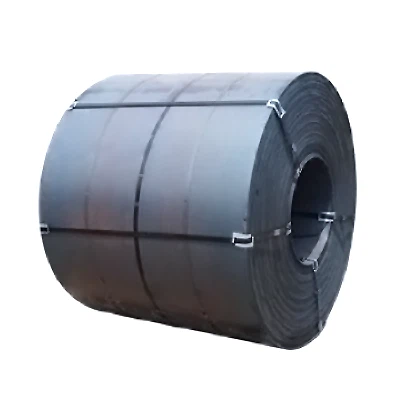
A573GR70 is a high-strength carbon steel plate that offers excellent strength, toughness, and weldability. It is specifically designed for applications requiring superior strength and impact resistance. A573GR70 is commonly used in structural components and heavy machinery, where extreme strength and durability are essential. With its exceptional mechanical properties, A573GR70 is highly regarded and widely utilized in various industries that demand robust and reliable materials.

High-strength steel is low-carbon steel. It has alloy steel components that can improve wear resistance and corrosion resistance, especially tensile strength. These alloy components include copper, nickel, niobium, nitrogen, vanadium, chromium, molybdenum, titanium, and zirconium. Adding so many elements will increase the yield strength.

A572GR60 is a high-strength, low-alloy structural steel that possesses excellent strength, toughness, and weldability. It is specifically designed to provide superior yield and tensile strength compared to standard grades. This makes A572GR60 ideal for applications in construction and engineering projects where heavy-duty materials are required to withstand demanding conditions. With its outstanding mechanical properties, A572GR60 is highly regarded and widely used in various industries.
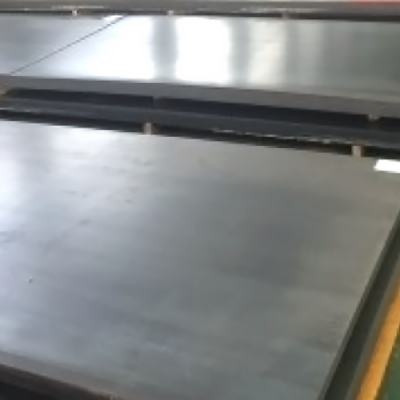
A573GR58 Carbon Steel Plate A283GRC
Carbon Steel Plate A283GRC is a high-strength carbon steel plate known for its improved toughness and weldability.
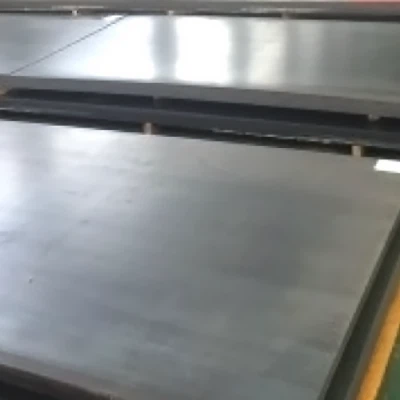
A633GRD is a high-strength, normalized, low-alloy structural steel plate that offers excellent weldability and notch toughness. It is specifically designed for applications requiring superior strength and impact resistance, particularly in low-temperature environments. A633GRD is commonly used in construction and engineering projects where reliable performance and durability are essential. With its exceptional mechanical properties and ability to withstand harsh conditions, A633GRD is highly valued and extensively utilized in various industries.

S355J0 is a low-alloy structural steel with good strength, toughness, and weldability. It is specifically designed for applications requiring moderate strength and impact resistance. S355J0 is commonly used in construction and engineering projects where a balance of strength and ductility is required. With its versatile properties, S355J0 is widely utilized in various industries that demand reliable and cost-effective materials for structural components.

S355JR is a low-alloy structural steel that offers excellent strength, durability, and weldability. It is specifically designed for applications requiring moderate to high strength and impact resistance. S355JR is commonly used in construction and engineering projects where reliable and robust materials are needed to withstand heavy loads and harsh environments. With its versatile properties and cost-effectiveness, S355JR is widely recognized and utilized in various industries for structural components and machinery.

NM450 Abrasion Resistant Wear Plates are high-strength steel plates designed to withstand severe abrasive conditions, featuring a hardness of 450 HBW (Brinell Hardness). Engineered for applications in mining, construction, and other industries where materials are subjected to heavy wear and impact, these plates offer exceptional toughness and weldability. NM450 Abrasion Resistant Wear Plates are tailored to enhance the durability and longevity of equipment and machinery by providing superior resistance against abrasion, ultimately reducing downtime and maintenance expenses.
Benefits of NM450 Abrasion Resistant Wear Plates
Durability
NM450 Abrasion-resistant wear plates are highly durable and can withstand heavy impact and abrasion. They are made of a special type of steel that is much harder and stronger than regular mild steel. This makes them ideal for construction and infrastructure projects where the equipment must constantly be exposed to harsh conditions.
Increased lifespan
Using NM450 abrasion-resistant wear plates can significantly increase the lifespan of construction and infrastructure equipment. The wear plates protect the underlying structure from damage, corrosion, and erosion. This means the equipment will last longer and require fewer repairs and maintenance.
Reduced maintenance costs
As mentioned earlier, using NM450 abrasion-resistant steel wear plate can reduce the need for repairs and maintenance. This can save construction companies much money in the long run. In addition, these plates are easy to replace, so any damaged plates can be replaced quickly and easily.
Improved safety
When equipment is exposed to heavy impact and abrasion, there is always a risk of accidents. However, the use of NM450 abrasion-resistant wear plate can significantly reduce this risk. This is because the plates provide an extra layer of protection, which can prevent accidents and injuries.
Better performance
NM450 Abrasion resistant steel wear plates can improve the performance of construction and infrastructure equipment. This is because the plates reduce the amount of wear and tear on the equipment, which means that it can operate more efficiently. This can lead to increased productivity and lower operating costs.
Types of NM450 Abrasion Resistant Wear Plates
Chrome Carbide Overlay Plate
These plates are made by welding chromium carbide on a mild steel base. They offer excellent abrasion resistance and can withstand high levels of wear and tear. These plates are suitable for mining, construction, and power generation equipment applications.
Quenched and Tempered Steel Plate
These plates are quenched and tempered to increase their hardness and strength. They offer excellent impact resistance and are used in applications where high wear and tear are expected.
High Manganese Steel Plate
These plates are made from austenitic manganese steel and offer excellent abrasion resistance. They are used in underground and open-pit mining applications, cement plants, and crushing and screening equipment.
Hardox Plate
This plate type is made from a special type of alloy steel known as Hardox. It offers excellent wear resistance and is used in dump trucks, excavators, and bulldozers.
Application of NM450 Abrasion Resistant Wear Plates
Construction and Mining Industry
Construction and mining industries use equipment subjected to wear and tear, so the required equipment must be sturdy and long-lasting. Wear-resistant steel plates can be used in various mining and construction equipment, such as wear liners, rock breakers, bulldozers and excavator bucket liners. They are ideal for this industry because they have high strength, which means they can withstand heavy impacts. The use of wear-resistant plates helps increase the lifespan of the equipment while maintaining its efficiency.
Transportation and Automotive Industry
Wear-resistant steel plates also find their use in the transportation industry. Many parts of vehicles, such as bulldozers, lorries, trailers, and dump trucks, are exposed to harsh conditions, requiring frequent repairs. Wear resistant plate can significantly reduce maintenance costs in the transportation and automotive industry.
Agriculture and Farming Industry
The agricultural industry involves heavy machinery and equipment that is regularly used. Wear-resistant steel plate can be utilized in machinery parts such as crop harvester blades and chutes that receive heavy impact, soil tilling equipment and plowshares that experience high resistance levels. These plates help prolong the lifespan of machinery parts, and thus, they benefit the agriculture and farming industry by keeping the cost of maintenance low.
Energy and Power Generation Industry
The energy and power generation industry also benefits from using wear-resistant plate. Regular wear and tear of the machinery are the main concerns of this industry. The parts, such as boiler blades, turbines and hoppers, can experience corrosion and wear due to constant use. The use of wear-resistant plate helps reduce downtime, increases the lifespan of equipment, increases productivity, and keeps maintenance costs low.
Steel and Cement Industry
The steel and cement industry works with high temperatures, heavy machines, and heavy materials, hence the need for high-strength wear-resistant plates that withstand such pressures. These steel plates are used in cement and steel mills' liners, buckets, hoppers, and chutes. They help reduce downtime and repairs and increase the lifespan of machinery and equipment.
Understanding Wear Plates
Before you start selecting wear plates for your project, it's essential to understand what they are and how they work. Wear plates are metallic plates added to machinery surfaces to provide impact resistance, wear protection, and longer lifespan. They are made of various materials such as aluminium, bronze, carbon steel, or stainless steel, and the thickness, hardness, and impact resistance vary depending on the application.
Identifying the Wear Type
The wear your machinery or component faces is critical in determining which wear plate to choose. There are three primary types of wear: abrasive, adhesive, and erosion. Identifying the wear type and the surfaces most prone to abrasion or erosion will help you choose the type of wear plate that will offer the most effective protection.
Choosing the Right Material
The material used to make the wear plates determines their overall performance and how well they will protect your machinery. Choosing the right material depends on various factors, such as the type of wear, the environment, the temperature, the cost, and the required hardness and resilience. Some common materials used for wear plates include chromium carbide, tungsten carbide, ceramic, and cast iron.
Thickness and Hardness
The thickness and hardness of the wear plate matter as they affect the plate's overall performance and lifespan. A thicker plate can provide better protection and impact resistance but also increase the weight and cost. The hardness of the plate determines its ability to withstand wear and tear, and different applications require different hardness levels. Choosing the right thickness and hardness will ensure that your machinery is well-protected and has a longer lifespan.
Consult an Expert
Choosing the right wear plates for your project can be challenging, especially if it's complex and requires specialised knowledge. It's advisable to consult an expert in wear plates and surface engineering who can assist you in identifying the best options for your project based on the wear type, material, thickness, hardness, and other factors. An expert can also advise on installing and maintaining the wear plates to ensure they work efficiently.
Melting and Mixing
The first step in creating abrasion resistant steel plates is melting and mixing the raw materials. The raw materials typically include iron ore, coal, and limestone, as well as various alloys that are added to increase the hardness and toughness of the steel.
Casting
After the raw materials have been melted and mixed, the steel is cast into large slabs or billets. These slabs or billets are then heated and rolled into thinner sheets or plates.
Heat Treatment
Once the steel has been rolled into plates, it is subjected to a heat treatment process. This process involves heating the steel to a high temperature and then rapidly cooling it.
Quenching and Tempering
After the heat treatment process, the steel is quenched and tempered. Quenching involves rapidly cooling the steel to room temperature, which increases its hardness. Tempering involves reheating the steel to a lower temperature, which increases its toughness.
Cutting and Finishing
After the quenching and tempering process, the steel plates are cut and finished to the desired size and shape. This may involve cutting the plates to a specific length or width, or it may involve adding additional finishing touches, such as beveling or chamfering the edges.
Our Factory


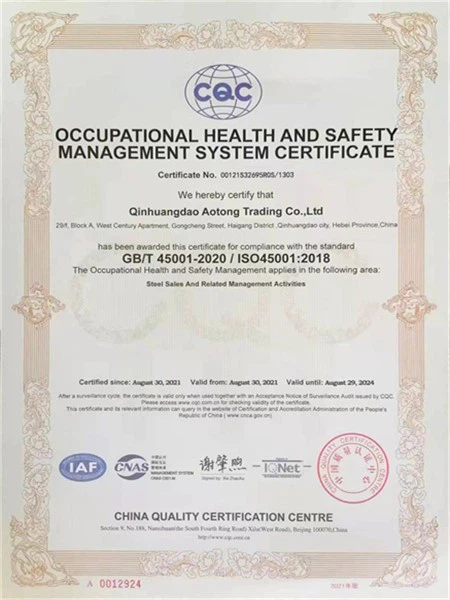
Our certificate


FAQ
Hot Tags: nm450 abrasion resistant wear plates, China nm450 abrasion resistant wear plates manufacturers, suppliers, factory, steel plate for welding, elastic modulus steel plate, accurate steel plate, straight steel plate, abrasion resistant steel plate, durable steel plate


