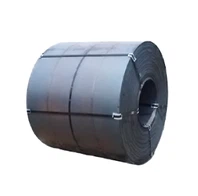
Hey there! As an abrasion steel plate supplier, I've seen firsthand how these plates play a crucial role in heat treatment plants. Let's dive into the typical applications of abrasion steel plates in these facilities.
1. Furnace Linings
Heat treatment furnaces are at the heart of any heat treatment plant. They are used to heat metals to specific temperatures for processes like annealing, hardening, and tempering. Abrasion steel plates are commonly used as furnace linings. Why? Well, these plates can withstand the high temperatures that are typical in furnaces. They also resist the abrasion caused by the movement of the metal workpieces inside the furnace.
For instance, the NM360 Abrasion Resistant Plate is a great choice for furnace linings. It has a good balance of hardness and toughness, which means it can handle the thermal stress and mechanical wear that occur during the heat treatment process. This plate can prevent the furnace walls from getting damaged easily, extending the lifespan of the furnace and reducing maintenance costs.
2. Conveyor Systems
In heat treatment plants, conveyor systems are used to move the metal parts through different stages of the heat treatment process. These systems are constantly exposed to abrasion from the moving parts and the high - temperature environment. Abrasion steel plates are used to line the conveyor belts and chutes.
The NM550 is a popular option for conveyor systems. It has a high level of hardness, which makes it extremely resistant to abrasion. When used in conveyor systems, it can reduce the wear and tear on the belts and chutes, ensuring smooth operation. This not only improves the efficiency of the conveyor system but also reduces the frequency of replacements, saving both time and money.
3. Quenching Tanks
Quenching is a critical step in the heat treatment process where the heated metal is rapidly cooled. Quenching tanks are used for this purpose. Abrasion steel plates are used to construct the walls and bottoms of these tanks.
The NM600 Abrasion Steel Plate is ideal for quenching tanks. It can withstand the high - velocity flow of the quenching medium, which often contains abrasive particles. Additionally, it can resist the corrosion caused by the quenching medium, ensuring the structural integrity of the tank. A well - constructed quenching tank with abrasion - resistant plates can improve the quality of the quenching process and the overall quality of the heat - treated products.
4. Heat Exchangers
Heat exchangers are used in heat treatment plants to transfer heat between different fluids. They are exposed to high - temperature and high - pressure conditions, as well as the abrasive action of the fluids flowing through them. Abrasion steel plates are used in the construction of heat exchanger tubes and shells.
The use of abrasion steel plates in heat exchangers can enhance their durability. They can resist the erosion and corrosion caused by the fluids, improving the heat transfer efficiency. This is important because efficient heat transfer is crucial for the proper functioning of the heat treatment process.
5. Tooling and Dies
In heat treatment plants, tooling and dies are used to shape and form the metal parts during the heat treatment process. These tools are subjected to high levels of stress and abrasion. Abrasion steel plates can be used to make the inserts and components of these tools.
Using abrasion steel plates in tooling and dies can increase their lifespan. They can withstand the wear and tear caused by the repeated contact with the metal parts, ensuring that the tools maintain their accuracy and precision. This leads to higher - quality products and reduced production costs.
Advantages of Using Abrasion Steel Plates in Heat Treatment Plants
- Cost - effectiveness: Although abrasion steel plates may have a higher upfront cost, they can save money in the long run. Their long lifespan means less frequent replacements, and their resistance to wear and corrosion reduces maintenance costs.
- Improved Product Quality: By ensuring the smooth operation of the heat treatment equipment, abrasion steel plates can contribute to the production of high - quality heat - treated products.
- Enhanced Safety: The durability of abrasion steel plates reduces the risk of equipment failure, which can lead to accidents in the heat treatment plant. This creates a safer working environment for the employees.
Conclusion
In conclusion, abrasion steel plates have a wide range of applications in heat treatment plants. From furnace linings to tooling and dies, they play a vital role in ensuring the efficient and safe operation of the heat treatment process. As an abrasion steel plate supplier, I'm proud to offer high - quality products that can meet the diverse needs of heat treatment plants.
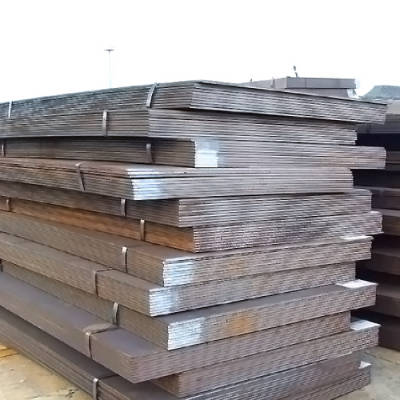

If you're in the heat treatment industry and are looking for reliable abrasion steel plates, I'd love to have a chat with you. Whether you need more information about our products or want to discuss a specific project, don't hesitate to reach out. Let's work together to find the best solutions for your heat treatment plant.
References
- "Abrasion - Resistant Materials in Industrial Applications" by Smith, J.
- "Heat Treatment Processes and Equipment" by Johnson, R.
- "Advances in Wear - Resistant Steel Technology" by Brown, M.