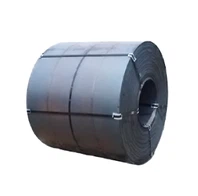
The corrosion resistance of pressure vessel plates is a critical factor that determines their service life and performance in various industrial applications. As a leading supplier of pressure vessel plates, I have witnessed firsthand the significant impact of alloy content on the corrosion resistance of these plates. In this blog post, I will delve into the relationship between alloy content and corrosion resistance, exploring how different alloying elements enhance the ability of pressure vessel plates to withstand corrosive environments.
Understanding Corrosion in Pressure Vessel Plates
Before we discuss the role of alloy content, it's essential to understand the basics of corrosion in pressure vessel plates. Corrosion is a natural process that occurs when metals react with their environment, leading to the deterioration of the metal surface. In the context of pressure vessels, corrosion can be caused by a variety of factors, including exposure to chemicals, moisture, and high temperatures.
There are several types of corrosion that pressure vessel plates may encounter, such as uniform corrosion, pitting corrosion, crevice corrosion, and stress corrosion cracking. Each type of corrosion can have a different impact on the integrity of the pressure vessel, and the ability of the plate to resist these forms of corrosion depends largely on its alloy content.
The Role of Alloying Elements in Corrosion Resistance
Alloying elements are added to steel during the manufacturing process to enhance its properties, including corrosion resistance. Different alloying elements have different effects on the corrosion resistance of pressure vessel plates, and the specific combination of alloys used can significantly influence the plate's performance in corrosive environments.
Chromium (Cr)
Chromium is one of the most important alloying elements for improving the corrosion resistance of pressure vessel plates. When chromium is added to steel, it forms a thin, protective oxide layer on the surface of the metal, known as a passive film. This passive film acts as a barrier, preventing oxygen and other corrosive agents from reaching the underlying metal and thus reducing the rate of corrosion.
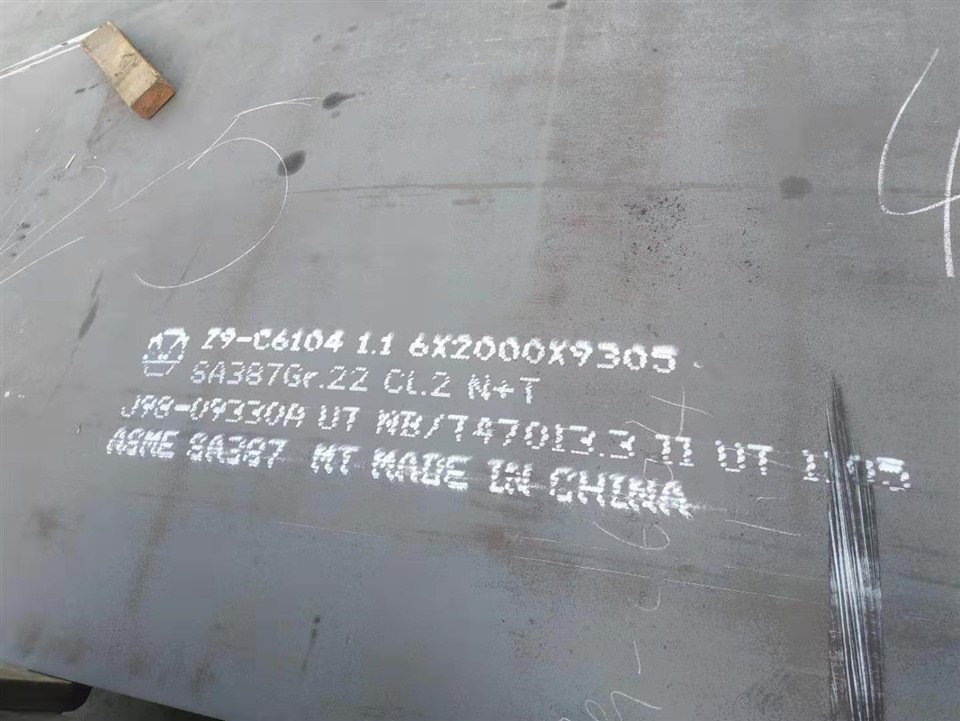
Stainless steels, which typically contain at least 10.5% chromium, are well-known for their excellent corrosion resistance. For example, the SA387GR11 A387 steel plate contains a certain amount of chromium, which enhances its resistance to oxidation and corrosion in high-temperature and corrosive environments.
Nickel (Ni)
Nickel is another important alloying element that can improve the corrosion resistance of pressure vessel plates. Nickel enhances the toughness and ductility of steel, and it also improves the resistance to corrosion in certain environments, such as those containing acids and alkalis.
In combination with chromium, nickel can form a more stable and protective passive film, further enhancing the corrosion resistance of the steel. Some high-alloy steels used in pressure vessel applications contain significant amounts of nickel to provide excellent corrosion resistance in harsh environments.
Molybdenum (Mo)
Molybdenum is often added to steel to improve its resistance to pitting and crevice corrosion. Pitting corrosion is a localized form of corrosion that can lead to the formation of small holes or pits in the metal surface, while crevice corrosion occurs in narrow gaps or crevices where oxygen and other corrosive agents can accumulate.
Molybdenum enhances the stability of the passive film and inhibits the initiation and propagation of pitting and crevice corrosion. The addition of molybdenum can significantly improve the corrosion resistance of pressure vessel plates in environments containing chloride ions, such as seawater or certain chemical processes.
Copper (Cu)
Copper can also improve the corrosion resistance of pressure vessel plates, particularly in atmospheric environments. Copper forms a protective patina on the surface of the metal, which helps to prevent further corrosion. In addition, copper can enhance the resistance to certain types of corrosion, such as sulfide stress cracking.

Other Alloying Elements
In addition to the above-mentioned alloying elements, other elements such as titanium (Ti), niobium (Nb), and vanadium (V) can also be added to steel to improve its corrosion resistance and other properties. These elements can form carbides and nitrides, which can strengthen the steel and improve its resistance to corrosion and wear.
Impact of Alloy Content on Different Types of Corrosion
The alloy content of pressure vessel plates can have a significant impact on their resistance to different types of corrosion. Let's take a closer look at how alloying elements affect the resistance to some common types of corrosion.
Uniform Corrosion
Uniform corrosion is the most common type of corrosion, where the entire surface of the metal is corroded at a relatively uniform rate. The addition of alloying elements such as chromium, nickel, and copper can form a protective oxide layer on the surface of the metal, reducing the rate of uniform corrosion.
For example, the SA285GrA pressure vessel plate, which contains a certain amount of alloying elements, has better corrosion resistance than plain carbon steel, making it suitable for use in less severe corrosive environments.
Pitting Corrosion
Pitting corrosion is a more severe form of corrosion that can lead to the failure of pressure vessels. The addition of molybdenum and chromium can improve the resistance to pitting corrosion by enhancing the stability of the passive film and inhibiting the initiation and propagation of pits.
High-alloy steels with a high content of molybdenum and chromium are often used in applications where pitting corrosion is a concern, such as in chemical processing plants and offshore oil and gas platforms.
Crevice Corrosion
Crevice corrosion occurs in narrow gaps or crevices where oxygen and other corrosive agents can accumulate. The addition of molybdenum and other alloying elements can improve the resistance to crevice corrosion by preventing the formation of a corrosive environment within the crevice.
Stress Corrosion Cracking (SCC)
Stress corrosion cracking is a complex form of corrosion that occurs when a metal is exposed to a corrosive environment and subjected to tensile stress. The addition of alloying elements such as nickel and chromium can improve the resistance to stress corrosion cracking by reducing the susceptibility of the metal to cracking.
Considerations for Selecting Pressure Vessel Plates Based on Alloy Content
When selecting pressure vessel plates, it's important to consider the specific corrosive environment in which the vessel will be used. The alloy content of the plate should be chosen based on the type and severity of corrosion expected.
- Mild Corrosive Environments: In mild corrosive environments, such as those with low levels of moisture and chemicals, pressure vessel plates with a relatively low alloy content, such as the P295GH, may be sufficient. These plates offer good mechanical properties and moderate corrosion resistance at a lower cost.
- Severe Corrosive Environments: In severe corrosive environments, such as those containing high concentrations of acids, alkalis, or chloride ions, high-alloy steels with a high content of chromium, nickel, and molybdenum are often required. These plates provide excellent corrosion resistance but may be more expensive.
It's also important to consider other factors, such as the mechanical properties, weldability, and cost of the pressure vessel plates when making a selection. Working with a knowledgeable supplier, like us, can help ensure that you choose the right plate for your specific application.
Conclusion
The alloy content of pressure vessel plates plays a crucial role in determining their corrosion resistance. By understanding the effects of different alloying elements on corrosion, you can make informed decisions when selecting pressure vessel plates for your applications.
As a trusted supplier of pressure vessel plates, we offer a wide range of plates with different alloy contents to meet the diverse needs of our customers. Whether you need plates for mild or severe corrosive environments, we can provide you with high-quality products that offer excellent corrosion resistance and performance.
If you are interested in learning more about our pressure vessel plates or have specific requirements for your project, please don't hesitate to contact us. We are here to assist you in selecting the right plates and providing you with the best solutions for your pressure vessel needs.
References
- ASME Boiler and Pressure Vessel Code.
- ASTM International Standards for Pressure Vessel Plates.
- "Corrosion Resistance of Metals and Alloys" by R. Winston Revie.