In the dynamic world of steel products, understanding the nuances between different types of plates is crucial for various industries. As a heavy plate supplier, I often encounter clients who are unsure about the differences between heavy plates and normal plates. In this blog post, I will delve into the key distinctions, highlighting the unique features, applications, and advantages of heavy plates.
Thickness and Dimensions
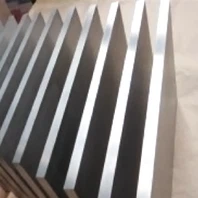
One of the most obvious differences between heavy plates and normal plates lies in their thickness. Heavy plates are typically much thicker than normal plates. While normal plates usually range from a few millimeters to around 20 - 30 millimeters in thickness, heavy plates can be as thick as several hundred millimeters. For example, in some industrial applications, heavy plates with thicknesses of 50mm, 100mm, or even more are commonly used.
In addition to thickness, heavy plates also tend to have larger dimensions. They can be produced in wider and longer sizes to meet the specific requirements of large - scale projects. This makes them ideal for applications where large, continuous pieces of steel are needed, such as in the construction of bridges, ships, and large storage tanks.
Material Properties
The material properties of heavy plates and normal plates also differ significantly. Heavy plates are often made from high - strength steels or alloy steels. These materials are designed to withstand high levels of stress, pressure, and impact. They have excellent mechanical properties, including high tensile strength, yield strength, and toughness.
For instance, SM570 is a type of low - alloy steel plate commonly used as a heavy plate. It offers high strength and good weldability, making it suitable for a wide range of structural applications. The alloying elements in SM570 enhance its resistance to corrosion and improve its overall performance in harsh environments.
On the other hand, normal plates are usually made from mild steels, which have relatively lower strength and toughness compared to heavy plates. Mild steels are more commonly used in general - purpose applications where the load - bearing requirements are not as high.


Manufacturing Processes
The manufacturing processes for heavy plates and normal plates vary due to their different thicknesses and material requirements. Heavy plates often require more complex and energy - intensive manufacturing processes.
The production of heavy plates typically involves processes such as hot rolling, quenching, and tempering. Hot rolling is used to shape the steel into the desired thickness and dimensions. Quenching and tempering are heat treatment processes that improve the mechanical properties of the heavy plates, enhancing their strength and toughness.
Normal plates, on the other hand, can be produced through simpler manufacturing processes. Cold rolling is often used for normal plates, which is a process that is more suitable for thinner materials. Cold rolling can improve the surface finish and dimensional accuracy of the plates, but it does not have the same effect on the mechanical properties as the heat treatment processes used for heavy plates.
Applications
The differences in thickness, material properties, and manufacturing processes lead to different applications for heavy plates and normal plates.
Heavy plates are widely used in industries where high strength and durability are required. In the construction industry, heavy plates are used for building bridges, high - rise buildings, and large industrial structures. The high strength of heavy plates allows them to support heavy loads and withstand the forces exerted by wind, earthquakes, and other environmental factors.
In the shipbuilding industry, heavy plates are used to construct the hulls, decks, and other structural components of ships. The toughness and corrosion resistance of heavy plates are essential for ensuring the safety and longevity of ships in harsh marine environments.
Another important application of heavy plates is in the energy industry. They are used in the construction of oil and gas storage tanks, pipelines, and power plants. The ability of heavy plates to withstand high pressure and temperature makes them suitable for these critical applications.
Normal plates, on the other hand, are used in a variety of general - purpose applications. They are commonly used in the manufacturing of furniture, appliances, and automotive parts. The relatively lower cost and ease of processing of normal plates make them a popular choice for these applications.
Quality Control
Quality control is a crucial aspect of the production of both heavy plates and normal plates. However, due to the higher requirements for heavy plates, the quality control processes for heavy plates are more stringent.
For heavy plates, strict quality control measures are implemented at every stage of the manufacturing process. This includes testing the chemical composition of the steel, inspecting the surface quality, and conducting mechanical property tests such as tensile tests, impact tests, and hardness tests. The quality control standards for heavy plates are often set by international organizations and industry standards, ensuring that the plates meet the required specifications for different applications.
Normal plates also undergo quality control processes, but the requirements are generally less strict. The focus is more on ensuring the dimensional accuracy and surface finish of the plates.
Cost
The cost of heavy plates and normal plates also differs. Heavy plates are generally more expensive than normal plates. This is due to several factors, including the higher cost of raw materials (such as high - strength steels and alloy steels), the more complex manufacturing processes, and the stricter quality control requirements.
However, it is important to note that the higher cost of heavy plates is often justified by their superior performance and longer service life. In applications where the use of heavy plates can improve the safety and reliability of the structure or equipment, the investment in heavy plates can be a cost - effective solution in the long run.
Conclusion
In conclusion, the differences between heavy plates and normal plates are significant in terms of thickness, material properties, manufacturing processes, applications, quality control, and cost. As a heavy plate supplier, I understand the unique requirements of different industries and can provide high - quality heavy plates that meet the specific needs of my clients.
If you are involved in a project that requires high - strength, durable steel plates, I encourage you to consider using heavy plates. Whether you are building a bridge, a ship, or an energy facility, our heavy plates, such as A633GRD Low Alloy Steel Plate and A633GRD Low Alloy Steel Plate, can provide the performance and reliability you need.
If you have any questions or would like to discuss your specific requirements, please feel free to contact us for procurement and negotiation. We are committed to providing you with the best solutions and excellent customer service.
References
- "Steel Plate Handbook", ASM International
- "Structural Steel Design", McGraw - Hill Education
- Industry standards and specifications for steel plates