

Products

A633GRD Low Alloy Steel Plate
Qinhuangdao Aotong was founded in 2004,it is a geoup management enterprises with the collection of trade ,steel further processing and warehousing logistics .The three major business sector include the Aotong metal center and the Aotong logistics center .The factory covers an area of 202000 square meters.The company has established Chenggang Wuyang and other major steel mills and traders across the country.The main products include medium and heavy steel plates,hot rolled coils, cold rolled pickled plates ,profiles building materials,etc.,with annual sales of more than 300 thousand tons.In addition to serving many domestic end-users and large and medium-sized projects,the products are exported to Europe,South America and Southeast Asia.
Why Choose Us
Factory strength
Wuhan building material lndustry design & research institute co., ltd., subordinated to cnbm was established in 1965. Lt is the leading company in fiber cement board / calcium silicate board machinery industry, and has sold more than 200 lines all over the world.
Rich experience
Wuhan institute has been deeply engaged in the calcium silicate board / fiber cement board industry for more than 40 years, so far, it has cooperated with many large group companies such as shera, saint-gobain, ask, conch cement, etc., and has cooperated in more than 200 production lines in the world.
Professional team
400 employees, including 16 professor-level senior engineers, 70 senior engineers, 90 engineers with medium-grade professional title or above, and 310 technical staff with other majors.
Quality control
The company also has modern laboratories to help the customers to choose the most suitable rawmaterials and production formula through the testing of raw materials and final products.
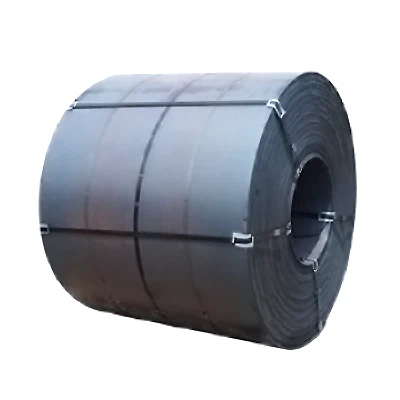
A572GR50 is a high-strength, low-alloy structural steel that offers excellent weldability and impact resistance. It is commonly used in construction and engineering projects where a combination of strength and toughness is required. With its superior strength and durability, A572GR50 is widely recognized and utilized in various industries.

A572GR55 Heavy Plate is a high-strength, low-alloy structural steel that offers superior strength and excellent weldability. It is specifically designed for applications requiring higher yield and tensile strength compared to standard grades. A572GR55 is commonly used in construction and engineering projects where heavy-duty materials are needed to withstand extreme conditions. With its exceptional strength and reliability, A572GR55 is highly valued and utilized across various industries.

A572GR60 is a high-strength, low-alloy structural steel that possesses excellent strength, toughness, and weldability. It is specifically designed to provide superior yield and tensile strength compared to standard grades. This makes A572GR60 ideal for applications in construction and engineering projects where heavy-duty materials are required to withstand demanding conditions. With its outstanding mechanical properties, A572GR60 is highly regarded and widely used in various industries.
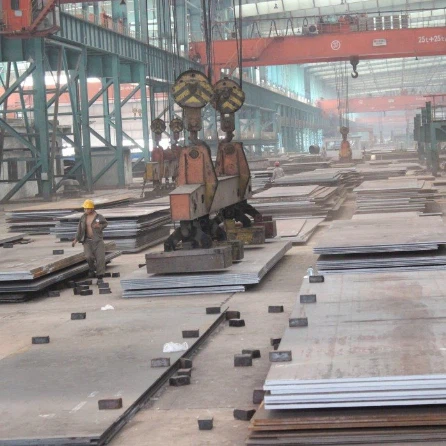
High-strength steel is low-carbon steel. It has alloy steel components that can improve wear resistance and corrosion resistance, especially tensile strength. These alloy components include copper, nickel, niobium, nitrogen, vanadium, chromium, molybdenum, titanium, and zirconium. Adding so many elements will increase the yield strength.
A573GR58 Carbon Steel Plate A283GRC
Carbon Steel Plate A283GRC is a high-strength carbon steel plate known for its improved toughness and weldability.

A573GR70 is a high-strength carbon steel plate that offers excellent strength, toughness, and weldability. It is specifically designed for applications requiring superior strength and impact resistance. A573GR70 is commonly used in structural components and heavy machinery, where extreme strength and durability are essential. With its exceptional mechanical properties, A573GR70 is highly regarded and widely utilized in various industries that demand robust and reliable materials.
A633GRD is a high-strength, normalized, low-alloy structural steel plate that offers excellent weldability and notch toughness. It is specifically designed for applications requiring superior strength and impact resistance, particularly in low-temperature environments. A633GRD is commonly used in construction and engineering projects where reliable performance and durability are essential. With its exceptional mechanical properties and ability to withstand harsh conditions, A633GRD is highly valued and extensively utilized in various industries.

S355NL is a normalized, fine-grained structural steel with excellent weldability and high strength. It is specifically designed for applications requiring superior toughness and impact resistance. S355NL is commonly used in construction and engineering projects where weight reduction and improved performance are crucial, such as in heavy machinery or load-bearing structures. With its exceptional mechanical properties and ability to withstand extreme conditions, S355NL is highly regarded and widely utilized in various industries that demand reliable and resilient materials.
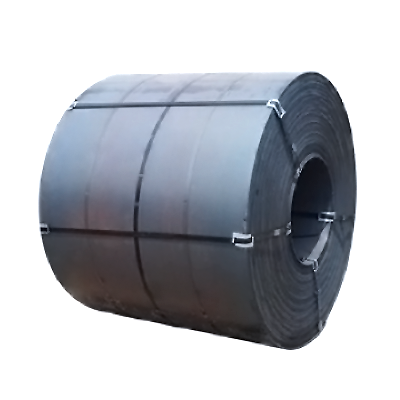
JISG3106 SM490 is a high-strength and low-alloy structural steel renowned for its excellent weldability and impact resistance.
What is A633GRD Low Alloy Steel Plate
A633GRD Low alloy steel plates are steel plates that contain a lower amount of alloying elements compared to high alloy steels. Typically, these elements include chromium, nickel, molybdenum, and vanadium. The alloying elements in low alloy steel generally make up less than 5% of the total composition. These steels are designed to improve specific properties such as strength, hardness, and resistance to corrosion and wear.
Benefits of A633GRD Low Alloy Steel Plate
Cost-Effectiveness
A633GRD Low alloy steel is more affordable than high-alloy steels, providing an economical solution for many industries. Its lower cost does not compromise its performance, making it a popular choice for cost-sensitive projects. The balance of cost and performance makes low alloy steel a practical choice for both large-scale industrial applications and smaller-scale manufacturing.
Weldability
The excellent weldability of A633GRD low alloy steel makes it ideal for fabrication and construction projects. This property ensures that the steel can be easily joined without losing its strength or integrity. Weldability is particularly important in industries such as automotive and construction, where components need to be assembled efficiently.
High Strength-to-Weight Ratio
A633GRD Low alloy steel's strength-to-weight ratio makes it ideal for applications requiring strong yet lightweight materials. This characteristic is particularly important in the automotive and aerospace industries, where reducing weight without sacrificing strength is crucial. The high strength-to-weight ratio also contributes to fuel efficiency in vehicles and aircraft.
Types of A633GRD Low Alloy Steel Plate
Low-Carbon Quenched and Tempered Steels
These steels combine high yield strength (350 to 1035 MPa) and high tensile strength with good notch toughness, ductility, corrosion resistance, or weldability. Examples include HY-80 and HY-100, which are used primarily as plates and sometimes as forgings or castings.
Medium-Carbon Ultrahigh-Strength Steels
These structural steels have yield strengths exceeding 1380 MPa and are available as billet, bar, rod, forgings, sheet, tubing, and welding wire.
Bearing Steels
Used for ball and roller bearing applications, these steels include low carbon case-hardened and high carbon through-hardened steels, often covered by SAE/AISI designations.
Heat-Resistant Chromium-Molybdenum Steels
Containing 0.5% to 9% Cr and 0.5% to 1.0% Mo, these steels have improved oxidation and corrosion resistance, with typical applications in the oil and gas industries and fossil fuel and nuclear power plants. They are usually supplied in normalized and tempered, quenched and tempered, or annealed condition.
Application of A633GRD Low Alloy Steel Plate
Construction
Low alloy steel plates are widely used in construction for building structures, bridges, and heavy machinery. Their high strength and durability make them suitable for load-bearing components.
Infrastructure: Used in the construction of roads, railways, and pipelines where strength and resistance to environmental factors are crucial.
Chemical and Petrochemical Industry
Low alloy steels are used in the manufacturing of pressure vessels and reactors due to their ability to withstand high pressure and corrosive environments.
Vehicle Components
In the automotive industry, low alloy steel plates are used for making parts such as chassis, frames, and other structural components that require a combination of strength and toughness.
Oil and Gas Industry
Pipelines and Equipment
These plates are employed in the oil and gas industry for pipelines, storage tanks, and other equipment that need to endure harsh conditions and exposure to corrosive substances.
Heavy Machinery
Low alloy steel plates are used in mining and construction equipment such as bulldozers, excavators, and loaders. Their wear resistance is particularly valuable in these high-abrasion environments.
What are the Difference Between A633GRD low and High Alloy Steel?
Hardness
The low-alloy steel has less density and gives low hardness to material and can be shaped in the hardness of 60HRC.While, high-alloy steel is high in density and gives high hardness to material can be shaped in the hardness of 70HRC or more.
Heat treatment
Low alloy steel heat treatment process is of more difficult for the material as it has to pass through three different stages of process i.e. tempering, quenching, and normalizing.On another hand high alloy-steel heat treatment is easier for the material as it pass only two stages of process i.e. quenching and tampering.

What Are the Properties of A633GRD Low Alloy Steel?
High Strength
Low alloy steel provides exceptional strength, making it suitable for demanding applications. This strength comes from the alloying elements that enhance its hardness and durability. High strength is particularly beneficial in structural applications where the material needs to support heavy loads without deforming.
Versatility
The mechanical properties of low alloy steel can be tailored to fit various needs, enhancing its adaptability. This versatility makes it an excellent choice for many different industries and applications. By adjusting the heat treatment and alloying elements, manufacturers can produce low alloy steel with specific properties suited for unique applications.
Heat Resistance
Low alloy steel can withstand moderate heat, making it suitable for high-temperature applications. This resistance is crucial in industries where materials are exposed to elevated temperatures regularly. For example, low alloy steel is often used in the construction of boilers and pressure vessels.
Moderate Corrosion Resistance
Low alloy steel offers good resistance to corrosion in non-aggressive environments. While not as resistant as stainless steel, it still provides adequate protection against rust and corrosion. This makes it suitable for applications where the material is exposed to weathering or moisture but not highly corrosive chemicals.
How to Choose A633GRD Low Alloy Steel Plate
Determine the Thickness
Another essential factor to consider is the thickness of the steel plate. A633GRD steel plates come in various thicknesses, and the correct thickness mainly depends on the pressure and weight of the project. For instance, if you're building a bridge, you may require a thicker plate to provide stability. Conversely, a thinner plate may be suitable for machinery or equipment.
Check the Chemical Composition
The chemical composition of the A633GRD steel plate is also crucial. It must have a specific percentage of carbon, manganese, phosphorus, sulfur, and copper to meet the required standards and have the desired mechanical properties. It is always necessary to check the chemical composition of the steel plate to ensure that it meets your project's needs.
Consider the Tensile Strength
The tensile strength is one of the most important things to consider when selecting an A633GRD steel plate. This measures the plate's ability to resist being pulled or stretched. The higher the tensile strength, the more resistant the plate will be to damage.
Consider the Yield Strength
Another important thing to consider when choosing an A633GRD steel plate is the yield strength. This measures the plate's ability to resist being deformed by forces acting on it. The higher the yield strength, the more resistant the plate will be to damage.
Understand the Quality
Regarding the quality of the A633GRD steel plate, it is crucial to look for a reputable supplier. Ensure that the supplier has the necessary certifications and has been in the business for an extended period. A reputable supplier will always provide you with top-quality steel plates that fit your project.
Consider the Thickness
The thickness of a steel plate can also be important in determining its suitability for a particular application. For example, plates that are intended for use in structural applications may need to be thicker than those that are intended for use in automotive applications.
Removing Mill Scale with Shot Blasting
Steel plate often has a thin layer of mill scale, which occurs during the manufacturing process. In most applications, the presence of mill scale is acceptable, as it does not compromise the strength or integrity of the material. However, in applications that require a surface to be painted -such as use on heavy-duty vehicles used in construction, mining and agriculture applications -mill scale must be removed (otherwise the paint will simply flake off over time).
Flame Cutting
Steel material is popular in construction applications due to its strength in relation to weight and ductility as compared to other high-strength materials.Just because it is more ductile (or formable) than other construction materials, doesn't mean it's easy to cut, drill and weld.For this reason, processing vendors offer cutting services, the most popular being flame cutting. Flame cutting uses a heat source to cut into hard, thick steel plate material on a large table.
Cutting to Size with Sharp Objects
There are two common ways to cut thinner steel plate that do not require a burning method. Typically, these methods are less expensive.Saw cutting: For thinner plates, a simple steel-blade saw can quickly and cheaply cut steel material. This method is often used to cut steel plate into bars.Shearing: This method is sometimes referred to as die cutting, as it involves the use of a press with die cutting plates to cut steel. The process is similar in concept to using large, heavy scissors. Like saw cutting, shearing can typically done on plate up to 1-inch thick, and is typically used to cut a plate into bars.
Reducing the Thickness of Plate via Blanchard Grinding
While burning and cutting methods are effective at changing the dimensions of a steel plate, reducing thickness requires a different technique known as rotary surface grinding or Blanchard grinding.Blanchard grinding uses a magnetic circular table that firmly secures the steel plate. The circular table rotates under a grinding spindle, resulting in a uniform grind across the material surface.
How to Maintain A633GRD Low Alloy Steel Plate
Cleaning
Clean the steel plate surface regularly to remove accumulated dust, dirt, and chemicals. You can use mild detergent and a soft cloth for cleaning. Avoid using acidic or corrosive cleaners to avoid damage to the steel plate.
Anti-rust
Steel plates are prone to rust, so they need anti-rust treatment. Anti-rust paint, coating, or anti-rust spray can be used to protect the surface of the steel plate. Check regularly and repair any broken or peeling rust protection.
Avoid moisture and moisture
Moisture and moisture are one of the main causes of rust on steel plates. Therefore, avoid exposing steel plates to moisture or water for extended periods. In humid environments, you can use a dehumidifier or maintain good ventilation to reduce humidity.
Avoid physical damage
Steel plates are susceptible to physical damage, such as scratches, collisions, etc. Therefore, pay attention to avoid contact with sharp or hard objects during use, and avoid using steel plates for excessive loads.
Regular inspection
Regularly check the surface and connection parts of the steel plate for damage or fatigue. If problems are found, repair or replace the damaged parts promptly.
Prevent chemical corrosion
Steel plates are prone to corrosion in some chemical environments, such as acidic environments. When exposed to these environments, protective measures need to be taken, such as using acid-resistant coatings or choosing more corrosion-resistant materials.
Our Factory


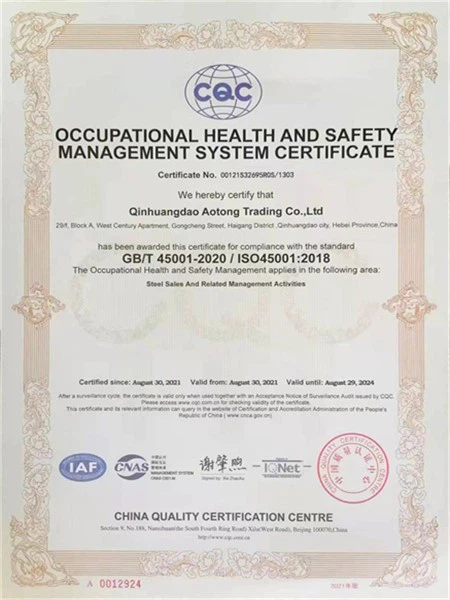
Our certificate


FAQ
Hot Tags: a633grd low alloy steel plate, China a633grd low alloy steel plate manufacturers, suppliers, factory, yield strength steel plate, steel plate for pressure vessels, hardness steel plate, smooth steel plate, bulk steel plate, specification steel plate


