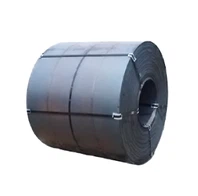
What are the national standards for clad plate?
As a seasoned clad plate supplier, I've witnessed firsthand the growing demand for these versatile materials across various industries. Clad plates, which consist of two or more different metals bonded together, offer a unique combination of properties that make them ideal for a wide range of applications. However, ensuring the quality and performance of clad plates requires adherence to strict national standards. In this blog post, I'll explore the key national standards for clad plates and their significance in the industry.
Understanding Clad Plates
Before delving into the national standards, it's essential to understand what clad plates are and how they are manufactured. Clad plates are created by bonding two or more metals together through a variety of processes, such as explosion bonding, roll bonding, or welding. The resulting composite material combines the desirable properties of each metal, such as corrosion resistance, strength, and thermal conductivity.
Clad plates are commonly used in industries such as oil and gas, chemical processing, power generation, and construction. They are used in applications where the base metal provides structural strength, while the cladding layer provides protection against corrosion, abrasion, or other environmental factors.
National Standards for Clad Plates
National standards play a crucial role in ensuring the quality and performance of clad plates. These standards define the requirements for materials, manufacturing processes, testing methods, and quality control. By adhering to these standards, manufacturers can produce clad plates that meet the specific needs of their customers and comply with industry regulations.
One of the most widely recognized national standards for clad plates is the American Society for Testing and Materials (ASTM) standards. ASTM standards cover a wide range of clad plate materials, including stainless steel clad plates, nickel alloy clad plates, and titanium clad plates. These standards specify the chemical composition, mechanical properties, and bonding requirements for clad plates.
For example, ASTM A264 and ASTM A265 are standards for stainless steel clad plates. These standards define the requirements for the base metal, cladding layer, and bonding process. They also specify the testing methods for evaluating the quality of the clad plate, such as ultrasonic testing, shear testing, and bend testing.
Another important national standard for clad plates is the Japanese Industrial Standards (JIS). JIS standards are widely used in Japan and other Asian countries. These standards cover a similar range of clad plate materials as ASTM standards and provide detailed requirements for material properties, manufacturing processes, and testing methods.
In addition to ASTM and JIS standards, there are also national standards in other countries, such as the European Standards (EN) and the Chinese National Standards (GB). These standards may have some differences in terms of specific requirements and testing methods, but they all aim to ensure the quality and performance of clad plates.
Significance of National Standards
The significance of national standards for clad plates cannot be overstated. Here are some key reasons why these standards are important:
- Quality Assurance: National standards provide a set of guidelines and requirements for manufacturers to follow. By adhering to these standards, manufacturers can ensure that their clad plates meet the highest quality standards and are fit for their intended use.
- Compatibility: National standards ensure that clad plates are compatible with other materials and components in a given application. This is important for ensuring the overall performance and reliability of the system.
- Safety: Clad plates are often used in critical applications where safety is a top priority. National standards help to ensure that clad plates are manufactured to meet strict safety requirements and can withstand the harsh conditions of their intended use.
- Interchangeability: National standards promote interchangeability of clad plates between different manufacturers. This allows customers to choose the most suitable clad plate for their application without having to worry about compatibility issues.
- International Trade: National standards facilitate international trade by providing a common language and set of requirements for clad plates. This helps to reduce trade barriers and promote the global exchange of these materials.
Our Clad Plate Products
As a clad plate supplier, we are committed to producing high-quality clad plates that meet or exceed national standards. We offer a wide range of clad plate products, including A516GR70 +304L Clad Plate, S355JR+304L, and A537CL2+304L - Stainless Steel Clad Plate.
Our clad plates are manufactured using state-of-the-art technology and strict quality control measures. We use only the highest quality materials and ensure that our clad plates are bonded together using the most advanced bonding processes. Our clad plates are tested thoroughly to ensure that they meet the requirements of national standards and our customers' specifications.
Contact Us for Clad Plate Procurement
If you are in need of high-quality clad plates for your project, we invite you to contact us for a consultation. Our team of experts will work closely with you to understand your specific requirements and recommend the most suitable clad plate solution for your application. We offer competitive pricing, fast delivery, and excellent customer service.
Whether you are in the oil and gas industry, chemical processing, power generation, or any other industry that requires clad plates, we have the expertise and experience to meet your needs. Contact us today to discuss your clad plate procurement needs and take the first step towards a successful project.
References
- American Society for Testing and Materials (ASTM). ASTM standards for clad plates.
- Japanese Industrial Standards (JIS). JIS standards for clad plates.
- European Standards (EN). EN standards for clad plates.
- Chinese National Standards (GB). GB standards for clad plates.