Hey there! As a supplier of ASTM A537CL2, I've got a fair bit of knowledge about this material and the destructive testing methods commonly used for it. So, let's dive right in and explore what these methods are all about.
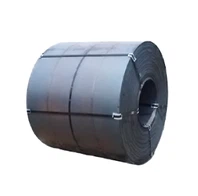
First off, let's talk a bit about ASTM A537CL2. It's a type of steel plate that's widely used in pressure vessel applications. It has excellent mechanical properties and is known for its good weldability and toughness. But to ensure that it meets the required standards and specifications, destructive testing is a must.

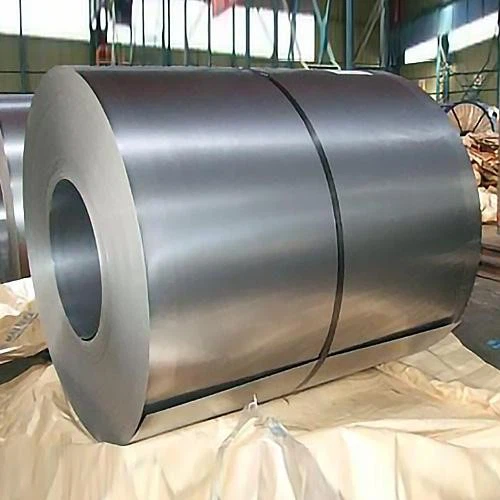
One of the most common destructive testing methods for ASTM A537CL2 is the tensile test. This test is used to determine the strength and ductility of the material. In a tensile test, a sample of the steel plate is placed in a testing machine, and a gradually increasing load is applied until the sample breaks. By measuring the force applied and the amount of deformation that occurs, we can calculate important properties like the yield strength, ultimate tensile strength, and elongation.
The yield strength is the point at which the material starts to deform plastically, meaning it won't return to its original shape after the load is removed. The ultimate tensile strength, on the other hand, is the maximum stress the material can withstand before it breaks. Elongation is a measure of how much the material can stretch before it fails. These properties are crucial for ensuring that the ASTM A537CL2 plates can handle the stresses they'll be subjected to in pressure vessel applications.
Another important destructive testing method is the Charpy impact test. This test is used to evaluate the toughness of the material, especially at low temperatures. In a Charpy impact test, a notched sample of the steel plate is struck with a pendulum hammer, and the energy absorbed by the sample during the impact is measured. The amount of energy absorbed is an indication of the material's ability to resist brittle fracture.
ASTM A537CL2 is often used in applications where it may be exposed to low temperatures, so it's important to ensure that it has good impact toughness. A high energy absorption value in the Charpy impact test indicates that the material is tough and less likely to fail in a brittle manner. This is particularly important for pressure vessels, as a brittle fracture could have catastrophic consequences.
Hardness testing is also a commonly used destructive testing method for ASTM A537CL2. There are several different hardness testing methods, but the most common ones for steel are the Brinell, Rockwell, and Vickers hardness tests. In a hardness test, a small indenter is pressed into the surface of the material, and the size of the indentation is measured. The hardness of the material is then determined based on the size of the indentation.
Hardness is an important property because it can give us an indication of the material's strength and wear resistance. A harder material is generally stronger and more resistant to wear, but it may also be more brittle. By measuring the hardness of ASTM A537CL2, we can ensure that it has the right balance of strength and toughness for its intended application.
In addition to these tests, there are also other destructive testing methods that may be used depending on the specific requirements of the application. For example, a bend test may be used to evaluate the ductility and weldability of the material. In a bend test, a sample of the steel plate is bent to a specific angle, and the surface of the bend is examined for cracks or other defects.
Weld testing is also important for ASTM A537CL2, as many pressure vessels are fabricated by welding the steel plates together. Weld tests can include visual inspection, radiographic testing, ultrasonic testing, and other non-destructive testing methods, as well as destructive tests like the weld tensile test and the weld impact test. These tests are used to ensure that the welds are strong and defect-free, and that they meet the required standards and specifications.
Now, you might be wondering why we use destructive testing methods at all. After all, these tests involve damaging the material, which means we can't use the tested samples in our products. The reason is that destructive testing provides us with accurate and reliable information about the properties of the material. By testing a small sample of the steel plate, we can make sure that the entire batch meets the required standards and specifications.
This is especially important for ASTM A537CL2, as it's used in critical applications like pressure vessels. A failure in a pressure vessel could have serious consequences, so it's essential to ensure that the material is of the highest quality. Destructive testing allows us to do this by providing us with detailed information about the strength, toughness, and other properties of the material.
If you're in the market for ASTM A537CL2, it's important to work with a supplier who uses these destructive testing methods to ensure the quality of their products. At our company, we take quality control very seriously, and we use a combination of destructive and non-destructive testing methods to ensure that our ASTM A537CL2 plates meet or exceed the required standards.
We also offer a wide range of other pressure vessel plates, such as astm a537 16Mo3, P275NL1, and SA285GrC A387GR11CL2. These plates are also subjected to rigorous testing to ensure their quality and performance.
If you're interested in learning more about our ASTM A537CL2 or any of our other products, or if you have any questions about the destructive testing methods we use, please don't hesitate to contact us. We're always happy to help and look forward to discussing your specific needs and requirements.
References
- ASTM International standards for A537CL2
- Metallurgy textbooks on steel testing methods