Over the years, the ASTM A537 standard has undergone several significant changes to adapt to evolving industry needs, technological advancements, and safety requirements. As a long - standing supplier of ASTM A537 products, I have witnessed firsthand how these changes have shaped the market and influenced our business operations.
Early Days of ASTM A537
The ASTM A537 standard was initially developed to provide specifications for heat - treated carbon - manganese - silicon steel plates used in welded pressure vessels. In its early days, the standard mainly focused on basic mechanical properties, chemical composition, and manufacturing processes. The primary goal was to ensure that the steel plates could withstand the pressure and environmental conditions within pressure vessels.
The early versions of ASTM A537 specified a relatively narrow range of chemical compositions for the steel. This was to guarantee consistent mechanical properties such as yield strength, tensile strength, and elongation. For example, the carbon content was strictly controlled to maintain the weldability and strength of the plates. The manufacturing process was also well - defined, with strict requirements for rolling and heat treatment to achieve the desired microstructure.
Technological Advancements and Their Impact
As technology advanced, new testing methods and manufacturing techniques became available. This led to significant changes in the ASTM A537 standard. One of the major changes was the introduction of more precise testing requirements. Non - destructive testing (NDT) methods, such as ultrasonic testing (UT), magnetic particle testing (MT), and radiographic testing (RT), became more common. These tests allowed for a more in - depth inspection of the steel plates, detecting internal and surface defects that might not be visible to the naked eye.
The standard also started to incorporate requirements for improved toughness. With the development of new heat - treatment processes, it became possible to enhance the impact toughness of the steel plates. The Charpy V - notch impact test became a crucial part of the standard, ensuring that the plates could withstand sudden impacts without fracturing. This was particularly important for pressure vessels operating in harsh environments or under dynamic loading conditions.
Changes in Chemical Composition Requirements
Over time, the chemical composition requirements of ASTM A537 have also been refined. The addition of trace elements and the control of impurities have become more precise. For instance, the sulfur and phosphorus content has been further reduced to improve the weldability and ductility of the steel. At the same time, the addition of elements such as nickel, chromium, and molybdenum has been optimized to enhance the strength and corrosion resistance of the plates.
The change in chemical composition requirements has also been driven by the need to meet the demands of different industries. For example, in the oil and gas industry, where pressure vessels are exposed to corrosive environments, the steel plates need to have better corrosion resistance. The adjusted chemical composition helps to form a protective oxide layer on the surface of the plates, reducing the risk of corrosion.
Quality Control and Certification
Quality control has become a more prominent aspect of the ASTM A537 standard over the years. The standard now requires more comprehensive documentation and certification processes. Manufacturers are required to keep detailed records of the manufacturing process, including raw material sourcing, heat treatment parameters, and testing results. This ensures traceability and accountability throughout the production process.
Certification bodies play a crucial role in verifying that the steel plates meet the ASTM A537 standard. Third - party inspections have become more common, providing an independent assessment of the product quality. This has increased the confidence of end - users in the quality of the ASTM A537 steel plates.
Comparison with Related Standards
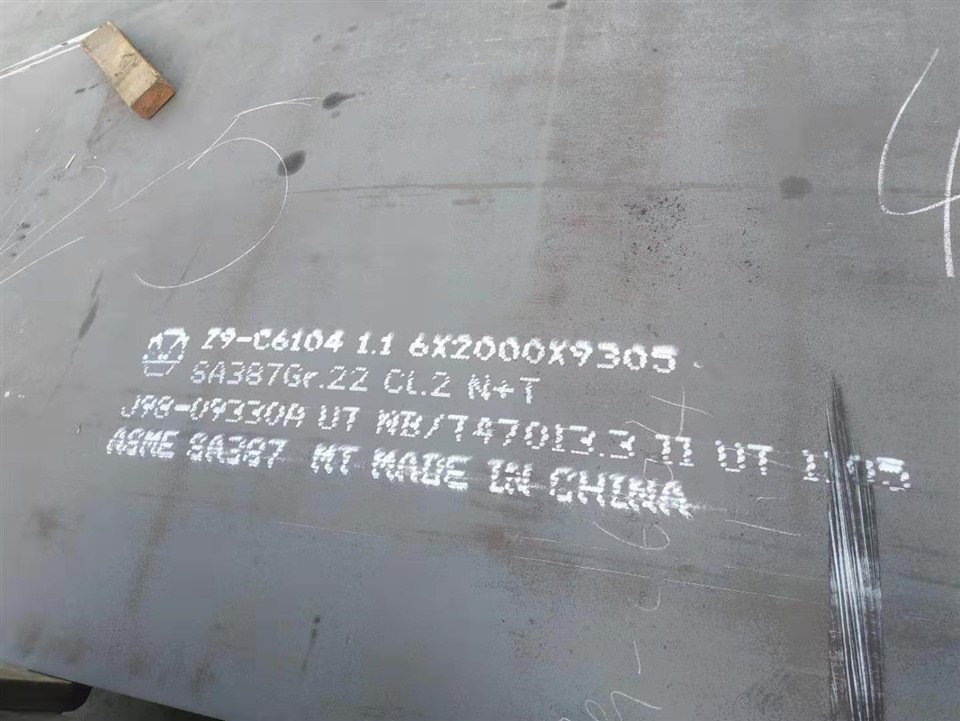
It is also interesting to compare ASTM A537 with other related standards such as SA387GR11 A387 steel plate, SA516GR70, and SA285GrC A387GR11CL2. While these standards are all related to pressure vessel plates, they have different focuses.
ASTM A537 is specifically designed for heat - treated carbon - manganese - silicon steel plates, emphasizing the heat - treatment process to achieve the desired mechanical properties. SA387GR11, on the other hand, is a chromium - molybdenum alloy steel plate, which is known for its high - temperature strength and corrosion resistance. SA516GR70 is a carbon steel plate used for moderate and lower temperature service, with a focus on good weldability and notch toughness. SA285GrC is a carbon steel plate for use in welded pressure vessels where notch toughness is not a major concern.
Industry Demands and Standard Adaptation
The changes in the ASTM A537 standard are also closely related to industry demands. As industries such as energy, chemical, and food processing continue to grow, the requirements for pressure vessel plates become more stringent. For example, in the energy industry, with the development of high - pressure and high - temperature power plants, the steel plates need to have better creep resistance and long - term stability.
The standard has also adapted to environmental concerns. There is a growing demand for more sustainable and environmentally friendly materials. The ASTM A537 standard has started to consider the recyclability of the steel plates and the reduction of energy consumption during the manufacturing process.
Our Experience as a Supplier
As a supplier of ASTM A537 products, these changes in the standard have had a profound impact on our business. We have had to invest in new testing equipment and training for our staff to ensure that our products meet the updated requirements. We also need to work closely with our raw material suppliers to ensure the quality and consistency of the input materials.
We have found that the changes in the standard have actually benefited our business in the long run. The more precise requirements have helped us to improve the quality of our products, which has increased customer satisfaction and loyalty. We are now able to offer higher - quality ASTM A537 steel plates that can meet the diverse needs of different industries.

Conclusion and Call to Action
In conclusion, the ASTM A537 standard has come a long way since its inception. The changes over the years have been driven by technological advancements, industry demands, and safety requirements. These changes have made the standard more comprehensive and precise, ensuring the quality and reliability of ASTM A537 steel plates.
If you are in the market for high - quality ASTM A537 steel plates, we are here to provide you with the best products that meet the latest standard requirements. Our team of experts can offer you professional advice and support throughout the procurement process. Whether you need plates for a small - scale project or a large - scale industrial application, we can tailor our products to your specific needs. Contact us today to start a fruitful procurement negotiation.
References
- ASTM International. ASTM A537/A537M - 18 Standard Specification for Pressure Vessel Plates, Heat - Treated, Carbon - Manganese - Silicon Steel.
- ASME Boiler and Pressure Vessel Code. Section II - Materials, Part A - Ferrous Material Specifications.
- Industry reports on pressure vessel technology and steel manufacturing.