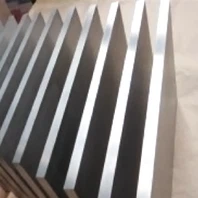
As a supplier of Plate ASTM A516 Gr 70, I am often asked about the impact resistance of this particular steel plate. Impact resistance is a crucial property, especially in applications where the material may be subjected to sudden loads or impacts. In this blog post, I will delve into the details of the impact resistance of ASTM A516 Gr 70 plates, its influencing factors, and its significance in various industries.
Understanding ASTM A516 Gr 70
Before discussing impact resistance, it's essential to understand what ASTM A516 Gr 70 is. ASTM A516 is a standard specification for pressure vessel plates, carbon steel, for moderate- and lower-temperature service. Grade 70 is one of the grades within this specification, known for its excellent notch toughness and weldability. It is commonly used in the fabrication of boilers, pressure vessels, and storage tanks, where reliability and safety are of utmost importance.
Impact Resistance: Definition and Importance
Impact resistance refers to a material's ability to withstand sudden or high-velocity loads without fracturing or undergoing excessive deformation. In the context of ASTM A516 Gr 70 plates, good impact resistance is vital because these plates are often used in applications where they may experience dynamic loading conditions. For example, in pressure vessels, the plates may be subjected to sudden pressure changes or impacts during operation. If the material has poor impact resistance, it could lead to catastrophic failure, endangering lives and causing significant economic losses.
Factors Affecting the Impact Resistance of ASTM A516 Gr 70
Chemical Composition
The chemical composition of ASTM A516 Gr 70 plays a significant role in determining its impact resistance. The main elements in this steel include carbon, manganese, phosphorus, sulfur, silicon, and trace amounts of other elements. Carbon content affects the strength and hardness of the steel, but too high a carbon content can reduce its impact toughness. Manganese helps to improve the strength and toughness of the steel, while controlling the levels of phosphorus and sulfur is crucial as these elements can have a detrimental effect on impact resistance.
Heat Treatment
Heat treatment is another critical factor that influences the impact resistance of ASTM A516 Gr 70. Normalizing, a common heat treatment process for this steel, involves heating the plate to a specific temperature and then allowing it to cool in air. This process refines the grain structure of the steel, improving its toughness and impact resistance. Quenching and tempering can also be used to achieve specific mechanical properties, but the parameters need to be carefully controlled to ensure optimal impact resistance.
Grain Size
The grain size of the steel has a direct impact on its impact resistance. A finer grain size generally results in better impact toughness because it provides more barriers to crack propagation. During the manufacturing process, measures can be taken to control the grain size, such as proper heat treatment and the addition of grain-refining elements.
Testing the Impact Resistance of ASTM A516 Gr 70
The impact resistance of ASTM A516 Gr 70 is typically tested using the Charpy V-notch test. In this test, a standardized specimen with a V-shaped notch is struck by a pendulum hammer, and the energy absorbed during the fracture is measured. The absorbed energy is an indication of the material's impact toughness. The test is usually conducted at specific temperatures, as the impact resistance of the steel can vary with temperature. For ASTM A516 Gr 70, the minimum Charpy V-notch impact energy requirements are specified in the standard, depending on the thickness of the plate and the intended service temperature.
Comparison with Other Steel Plates
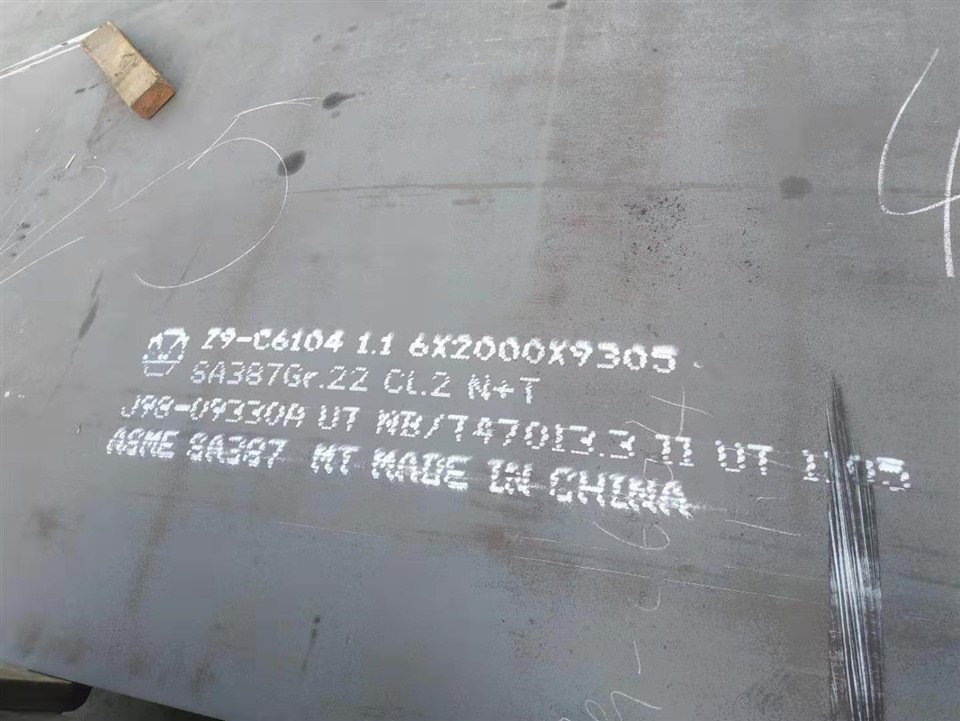
When considering the impact resistance of ASTM A516 Gr 70, it's useful to compare it with other similar steel plates. For example, SA285GrA is another type of pressure vessel plate. While SA285GrA is suitable for general applications, ASTM A516 Gr 70 generally offers better impact resistance, especially at lower temperatures. Another comparison can be made with SA387GR11 A387 steel plate. SA387GR11 is a chromium-molybdenum alloy steel, which has different mechanical properties compared to ASTM A516 Gr 70. SA387GR11 is known for its high-temperature strength and creep resistance, but ASTM A516 Gr 70 may be a better choice when impact resistance at moderate to lower temperatures is the primary concern.
Applications of ASTM A516 Gr 70 Based on Its Impact Resistance
Pressure Vessels
As mentioned earlier, pressure vessels are one of the primary applications of ASTM A516 Gr 70 plates. The good impact resistance of this steel ensures the safety and reliability of pressure vessels, which are used in various industries such as oil and gas, chemical processing, and power generation.
Storage Tanks
Storage tanks for liquids and gases also benefit from the impact resistance of ASTM A516 Gr 70. These tanks may be subjected to external impacts, such as from vehicles or falling objects, and the ability of the plates to withstand such impacts is crucial to prevent leaks and spills.
Structural Components
In some structural applications, ASTM A516 Gr 70 plates can be used where impact resistance is required. For example, in bridges or offshore platforms, the plates may be exposed to dynamic loads from wind, waves, or seismic activity.
Ensuring High-Quality Impact Resistance in Our Supply
As a supplier of SA516GR70, we take several measures to ensure that the plates we provide have high-quality impact resistance. We source our raw materials from reputable suppliers and conduct strict quality control checks on the chemical composition and mechanical properties of the steel. Our manufacturing processes are carefully monitored to ensure proper heat treatment and grain size control. We also perform Charpy V-notch tests on our products to verify that they meet or exceed the relevant standards.
Conclusion
The impact resistance of ASTM A516 Gr 70 plates is a critical property that makes them suitable for a wide range of applications, especially in industries where safety and reliability are paramount. Understanding the factors that affect impact resistance, such as chemical composition, heat treatment, and grain size, is essential for ensuring the quality of the plates. By comparing it with other steel plates, we can see that ASTM A516 Gr 70 offers a good balance of impact resistance, strength, and weldability.
If you are in the market for high-quality ASTM A516 Gr 70 plates with excellent impact resistance, we are here to help. Our team of experts can provide you with detailed information about our products and assist you in selecting the right plates for your specific application. Contact us today to start the procurement process and discuss your requirements.
References
- ASTM International. ASTM A516/A516M - 17 Standard Specification for Pressure Vessel Plates, Carbon Steel, for Moderate- and Lower-Temperature Service.
- ASME Boiler and Pressure Vessel Code. Section II - Materials, Part A - Ferrous Material Specifications.