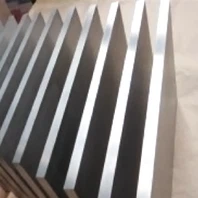
Hey there! As a supplier of A387 steel plates, I've been getting a lot of questions lately about how to ensure the flatness of these plates. It's a crucial aspect, especially when you're using them in applications where precision matters. So, I thought I'd share some insights based on my experience in the industry.
First off, let's understand why flatness is such a big deal. A387 steel plates are commonly used in pressure vessels, boilers, and other high - stress applications. If the plates aren't flat, it can lead to all sorts of problems. For example, uneven pressure distribution in a pressure vessel can cause weak points, which may eventually lead to failure. In boilers, non - flat plates can affect heat transfer efficiency. So, getting that flatness right is super important.
Manufacturing Process
The manufacturing process plays a huge role in determining the flatness of A387 steel plates. At our end, we start with high - quality raw materials. We source the best steel alloys that meet the strict A387 standards. The quality of the raw material sets the foundation for a good - quality, flat plate.
During the rolling process, which is a key step in making steel plates, we pay close attention to the parameters. The rolling mill has to be properly calibrated. The temperature of the steel during rolling is also crucial. If the temperature is too high or too low, it can cause the plate to warp. We use advanced temperature control systems to make sure the steel is rolled at the optimal temperature. This helps in achieving a more uniform thickness and flatness across the plate.
After rolling, we have a straightening process. This is where we use specialized straightening machines. These machines apply precise amounts of force to the plate to correct any minor bends or warps. We check the flatness at multiple points during this process using high - precision measuring tools. If we find any areas that are still not flat enough, we can make adjustments to the straightening machine to get the desired result.
Handling and Storage
Once the plates are manufactured, how we handle and store them is also important. When moving the plates around, we use proper lifting equipment. Using the wrong type of lifting equipment can cause the plates to bend or deform. For example, if we use hooks that are too small or not properly placed, they can create stress points on the plate, leading to unevenness.

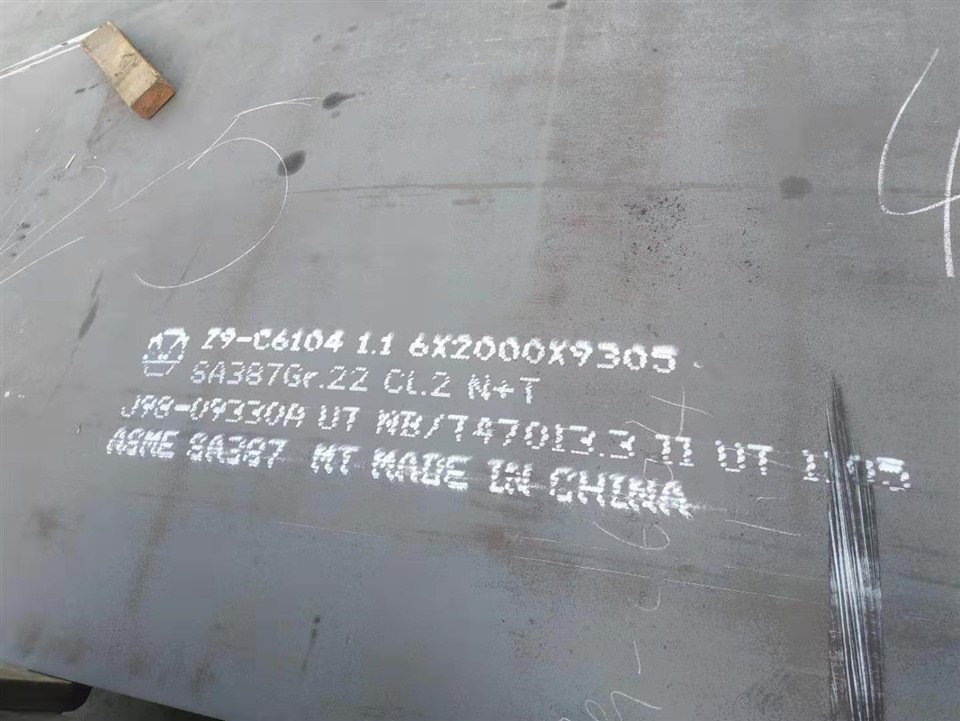
When it comes to storage, we store the plates on a flat surface. We make sure the storage area is free from any bumps or unevenness. Stacking the plates correctly is also crucial. If we stack them haphazardly, the weight of the upper plates can cause the lower ones to bend. We stack the plates in a way that distributes the weight evenly.
Inspection and Quality Control
We have a rigorous inspection and quality control process. Before the plates are shipped out, we conduct a final inspection. We use a combination of visual inspection and advanced measuring techniques. Visual inspection helps us to quickly spot any obvious defects or warps. But for more accurate measurements, we use tools like laser scanners. These scanners can detect even the slightest deviations from the flatness standards.
We also compare our measurements with the industry standards for A387 steel plates. If the plate doesn't meet the required flatness criteria, it doesn't leave our facility. We either re - work the plate to correct the issue or scrap it if it can't be fixed. This ensures that only the highest - quality, flat plates reach our customers.
Impact of Flatness on Applications
As I mentioned earlier, flatness has a significant impact on the applications of A387 steel plates. Take the example of pressure vessels. A flat plate ensures that the vessel can withstand the internal pressure evenly. If the plate is not flat, there will be areas of high stress concentration. Over time, these areas can develop cracks, which can be extremely dangerous.
In the case of boilers, flat plates are essential for efficient heat transfer. A non - flat plate can create air gaps between the plate and the heating elements. These air gaps act as insulators, reducing the amount of heat that can be transferred to the water or other fluids in the boiler. This not only reduces the efficiency of the boiler but also increases energy consumption.
Related Products
We also offer other related products like the P335GH and SA387GR11 A387 steel plate. These products also have high - quality flatness standards. The P335GH Pressure Plate SA516GR70 is another great option for applications where flatness and strength are important.
Conclusion
Ensuring the flatness of A387 steel plates is a multi - step process that involves careful manufacturing, proper handling, and strict quality control. From the moment we start with the raw materials to the final inspection before shipping, every step matters. By following these best practices, we can provide our customers with A387 steel plates that meet the highest flatness standards.
If you're in the market for high - quality, flat A387 steel plates or any of our related products, don't hesitate to reach out. We're here to help you with all your steel plate needs. Whether you're working on a small project or a large - scale industrial application, we can provide the right solutions. Contact us to start a conversation about your requirements and let's see how we can work together.
References
- ASTM International. Standard Specification for Pressure Vessel Plates, Alloy Steel, Chromium - Molybdenum. ASTM A387/A387M - 21.
- Industry guidelines on steel plate manufacturing and quality control.