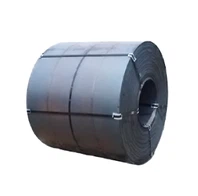
Hey there! As a supplier of abrasion steel plates, I've been diving deep into how these bad - boys are used in the textile industry. You might be thinking, "What on earth does abrasion steel have to do with textiles?" Well, stick around, and I'll break it down for you.
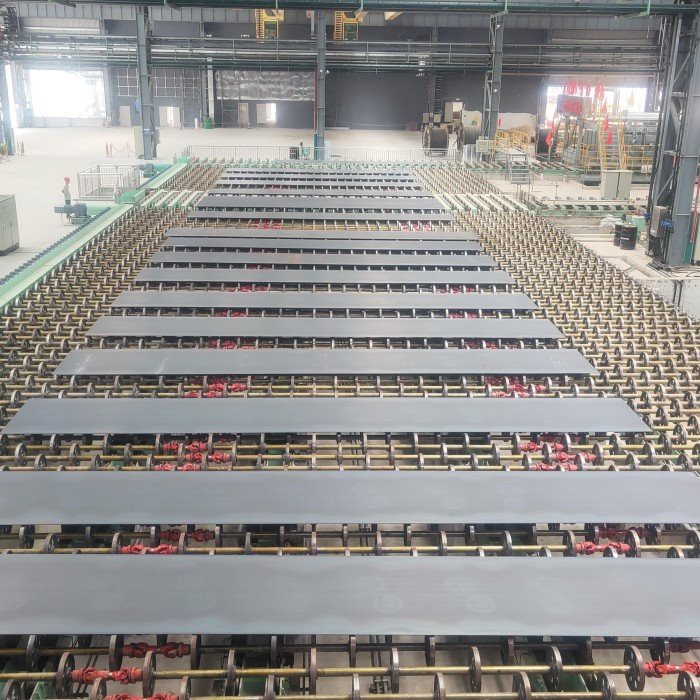
First off, let's talk about what makes abrasion steel plates so special. These plates are designed to withstand wear and tear like a champ. They're tough as nails, resistant to scratches, and can handle high - pressure situations. In the textile industry, where machinery runs non - stop and there's a lot of friction involved, abrasion steel plates are a game - changer.
One of the typical applications of abrasion steel plates in the textile industry is in the manufacturing of spinning machines. Spinning is a crucial process where fibers are twisted together to form yarn. The parts of the spinning machine that come into contact with the fibers and other moving components are under constant stress. That's where our abrasion steel plates come in. For example, the rollers in a spinning machine are often made from or coated with abrasion steel. These rollers have to grip the fibers firmly and spin them at high speeds. Without the protection of abrasion steel, they'd wear out quickly, leading to frequent replacements and downtime. We offer different grades of abrasion steel plates for this purpose, like the NM360 Abrasion Resistant Plate. It has just the right balance of hardness and toughness to handle the demands of spinning.
Another area where abrasion steel plates shine is in weaving machines. Weaving is all about interlacing threads to create fabric. The shuttle or the rapier mechanism in a weaving machine moves back and forth at high speeds, causing a lot of friction against the machine parts. Abrasion steel plates are used to line the guides and channels through which the threads pass. This reduces the wear on these parts and ensures smooth operation. The NM500 Wear Steel Plate is a great choice here. It's harder than the NM360, which means it can withstand even more intense wear.
In the dyeing and finishing processes, abrasion steel plates also play a vital role. Dyeing machines have large vats where the fabric is soaked in dye solutions. The agitators in these vats need to be made of a material that can resist the corrosive nature of the dyes and the mechanical stress of constant stirring. Abrasion steel plates are up to the task. They can be used to make the agitator blades and the inner lining of the vats. The NM600 Abrasion Steel Plate is an excellent option for this application. It has extremely high hardness, which makes it highly resistant to both abrasion and corrosion.
Let's not forget about the handling and storage of textiles. Textile mills often use conveyor systems to move fabrics from one process to another. The rollers and chutes in these conveyor systems are subject to abrasion from the passing fabrics. By using abrasion steel plates for these components, we can extend their lifespan and reduce maintenance costs.
Now, you might be wondering about the cost - effectiveness of using abrasion steel plates. Sure, they might cost a bit more upfront compared to regular steel. But think about the long - term savings. You'll have less downtime for maintenance and replacement, and your machinery will last longer. In the grand scheme of things, it's a smart investment.
If you're in the textile industry and are looking for high - quality abrasion steel plates, you've come to the right place. We've got a wide range of products to suit your specific needs. Whether you need the NM360 for your spinning machines, the NM500 for your weaving equipment, or the NM600 for your dyeing vats, we've got you covered.

Don't hesitate to reach out if you're interested in purchasing our abrasion steel plates. We're more than happy to discuss your requirements and find the perfect solution for your business. Let's work together to make your textile operations more efficient and cost - effective.
References:

- "Textile Machinery Handbook" - A comprehensive guide on the different types of machinery used in the textile industry and their components.
- "Steel and Its Applications in Industrial Settings" - A research paper that delves into the various uses of different grades of steel in industrial applications, including abrasion steel in the textile sector.