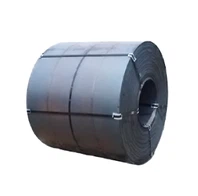
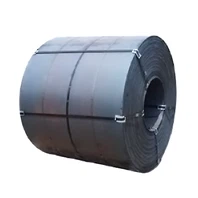
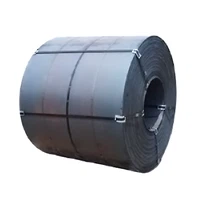
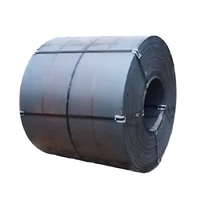
Yo! I'm a supplier of Pressure Vessel Plate, and I know that getting these plates to your location in one piece is super important. That's why I'm here to share some transportation precautions you should keep in mind.
First things first, let's talk about packing. Pressure Vessel Plates are pretty heavy and can get damaged easily if not packed right. We usually use wooden pallets or steel frames to hold the plates during transport. This helps to distribute the weight evenly and prevent any bending or warping. And if the plates are going on a long - distance journey, we'll add some protective layers, like plastic sheets or cardboard, to shield them from scratches and moisture.
When it comes to loading and unloading, it's crucial to use the right equipment. Cranes and forklifts are the go - to tools here. But the operators need to be well - trained. A single wrong move can lead to dents or even cracks in the plates. For example, when lifting the plates with a crane, the slings should be properly attached to the designated lifting points. If you're using a forklift, make sure the forks are in good condition and are inserted correctly under the pallets.
Now, let's consider the type of transport. If you're shipping the Pressure Vessel Plates by truck, the road conditions matter a lot. Bumpy roads can cause the plates to shift around in the truck bed, which might lead to damage. Make sure the plates are well - secured in the truck. Straps or chains can be used to tie them down tightly. And if possible, choose a route with fewer potholes and rough patches.
For sea transport, corrosion becomes a big concern. The salty air and water can quickly corrode the metal. So, before loading the plates onto the ship, we give them a good coat of anti - corrosion paint. Also, the containers they're placed in should be well - sealed to keep out the moisture. And we always try to choose a reliable shipping line that takes good care of the cargo.
Another thing to remember is the stacking of the plates. In both trucks and containers, proper stacking is essential. The heavier plates should be placed at the bottom, and lighter ones on top. This not only helps with stability but also makes it easier to unload. When stacking, make sure there's enough space between the plates to avoid scratching.
Let's talk about some popular types of Pressure Vessel Plates. If you're looking for SA516GR70 SA516GR70, it's a widely used material with good strength and toughness. When transporting this type, you need to pay extra attention to its surface protection because any damage can affect its performance.
SA285GrC A387GR11CL2 SA285GrC A387GR11CL2 is also quite common. This type has specific heat - treating requirements, and during transport, we need to make sure that the plates don't get over - heated or cooled too quickly. If the temperature changes too rapidly, it can affect the internal structure of the plates.
P275NL1 P275NL1 is known for its good weldability. But during transport, vibrations can potentially affect the integrity of any pre - welded parts. So, we need to secure the plates well to minimize vibrations.
Quality control during transport is key. Before sending out the plates, we do a thorough inspection. We check for any visible defects, like cracks or scratches. And during the journey, we keep track of the shipment. If it's a long - distance transport, we might even use GPS tracking to know the exact location and condition of the cargo.
Insurance is also something you shouldn't overlook. Accidents can happen during transport, no matter how careful we are. So, it's a good idea to get insurance for the Pressure Vessel Plates. This way, if something does go wrong, you're covered.
Communication between the supplier, the transporter, and the customer is vital. As a supplier, I always make sure to keep the customer updated on the status of the shipment. If there are any delays or issues, I'll let them know right away. And the transporter should also be in regular contact in case of any problems on the road or at sea.
In summary, transporting Pressure Vessel Plates requires a lot of attention to detail. From proper packing and loading to choosing the right transport method and ensuring good communication, every step matters. If you're in the market for Pressure Vessel Plates, and you want to make sure they reach you in perfect condition, don't hesitate to reach out. We've got the experience and the know - how to handle the transportation with care. Whether you need SA516GR70, SA285GrC A387GR11CL2, or P275NL1, we can provide high - quality plates and take care of the transportation. So, if you're interested in purchasing, just get in touch, and we can start the discussion about your specific needs.


References:
- Industry standards for Pressure Vessel Plate transportation
- Experience and best - practices from years of supplying Pressure Vessel Plates