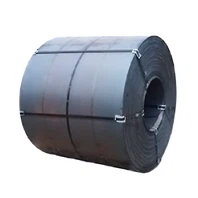
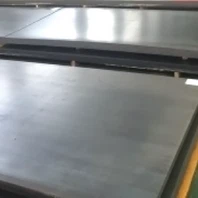
As a supplier of wear steel plates, I often receive various inquiries from customers. One question that comes up quite frequently is, "Can I wear a steel plate in a high - temperature environment?" This is a crucial question, especially for industries where high - temperature operations are common, such as steel manufacturing, foundries, and glass production. In this blog, I will delve into this topic and provide some insights based on scientific knowledge and our experience in the industry.
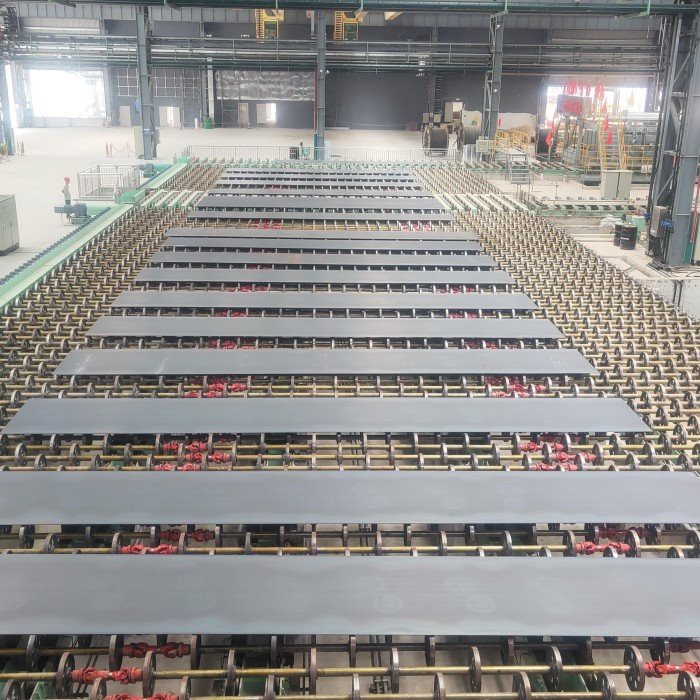

Understanding the Impact of High Temperatures on Steel Plates
Steel is a widely used material due to its strength and durability. However, high temperatures can significantly affect its properties. When steel is exposed to high temperatures, several physical and chemical changes occur.
Physical Changes
- Thermal Expansion: Steel expands when heated. The coefficient of thermal expansion for steel is approximately 11 - 13 × 10⁻⁶ /°C. This means that for every degree Celsius increase in temperature, a steel plate will expand by a small amount. In high - temperature environments, this expansion can cause significant stress on the plate, especially if it is constrained. If the expansion is not properly accounted for, it can lead to warping, bending, or even cracking of the steel plate.
- Softening: As the temperature rises, the strength and hardness of steel decrease. This is because the crystal structure of the steel begins to change. At around 400 - 500°C, steel starts to lose its strength, and at higher temperatures, it can become extremely soft. For example, at 800 - 900°C, steel can be easily deformed, which is why it is often heated to these temperatures during forging processes.
Chemical Changes
- Oxidation: High - temperature environments often contain oxygen, which can react with the steel to form iron oxide (rust). The rate of oxidation increases with temperature. In addition to surface rust, oxidation can also penetrate deeper into the steel, reducing its thickness and weakening its structure over time.
- Carburization or Decarburization: Depending on the atmosphere in the high - temperature environment, steel can either gain or lose carbon. Carburization occurs when the steel is exposed to a carbon - rich atmosphere, and carbon atoms diffuse into the steel. Decarburization, on the other hand, happens when the steel loses carbon to the surrounding environment. Both processes can change the mechanical properties of the steel, such as its hardness and toughness.
Types of Wear Steel Plates and Their High - Temperature Performance
We offer several types of wear steel plates, each with its own characteristics and performance in high - temperature environments.
NM360 Abrasion Resistant Plate
The NM360 Abrasion Resistant Plate is a popular choice for applications where abrasion resistance is required. It has a hardness of around 360 HBW (Brinell Hardness). In high - temperature environments, its performance is relatively stable up to about 300 - 400°C. Beyond this temperature range, its hardness and strength will gradually decrease, and oxidation may become more significant. However, with proper surface treatments and protective coatings, its service life in high - temperature and abrasive conditions can be extended.
NM500 Wear Steel Plate
The NM500 Wear Steel Plate has a higher hardness of approximately 500 HBW, which provides excellent abrasion resistance. In terms of high - temperature performance, it can withstand slightly higher temperatures compared to NM360. It can maintain its properties up to around 400 - 500°C. But like all steel plates, at higher temperatures, it will experience softening and oxidation. Special heat - resistant alloys or coatings can be applied to enhance its high - temperature performance.
NM550
The NM550 is our highest - hardness wear steel plate, with a hardness of about 550 HBW. It offers superior abrasion resistance and can perform relatively well in high - temperature environments up to 500 - 600°C. However, as the temperature approaches and exceeds this range, the risk of mechanical property degradation and oxidation increases significantly.
Mitigating the Effects of High Temperatures
If you need to use steel plates in high - temperature environments, there are several strategies you can adopt to mitigate the negative effects of high temperatures.
Material Selection
Choose the right type of wear steel plate based on the specific temperature range and other operating conditions. For example, if the temperature is relatively low (below 300°C), NM360 may be a cost - effective choice. If higher temperatures are involved, NM500 or NM550 might be more suitable.
Surface Treatments
- Coatings: Apply heat - resistant coatings to the steel plate. These coatings can act as a barrier between the steel and the high - temperature environment, reducing oxidation and heat transfer. Ceramic coatings, for example, have excellent heat - resistant properties and can protect the steel plate from direct contact with oxygen and high - temperature gases.
- Heat Treatment: Heat treatment processes such as quenching and tempering can improve the high - temperature performance of steel plates. By adjusting the microstructure of the steel, heat treatment can enhance its strength, hardness, and heat resistance.
Design Considerations
- Allowance for Expansion: When designing structures using steel plates in high - temperature environments, leave enough space for thermal expansion. This can be achieved by using expansion joints or designing the structure in a way that allows for free movement of the steel plates.
- Cooling Systems: In some cases, it may be necessary to install cooling systems to keep the temperature of the steel plates within an acceptable range. Water - cooling or air - cooling systems can be used to remove excess heat from the steel plates.
Conclusion
In conclusion, while it is possible to use steel plates in high - temperature environments, it is essential to understand the impact of high temperatures on the steel and take appropriate measures to ensure their reliable performance. As a wear steel plate supplier, we have the expertise and products to help you make the right choices for your specific applications.
If you are interested in our wear steel plates and need more information about their performance in high - temperature environments or have any other questions, please feel free to contact us for procurement and further discussions. We are committed to providing you with the best solutions to meet your industrial needs.
References
- ASM Handbook Volume 1: Properties and Selection: Irons, Steels, and High - Performance Alloys.
- "High - Temperature Materials and Their Applications" by Robert A. Rapp.
- Technical literature provided by steel manufacturing associations.