Hey there! As a supplier of Pressure Vessel Plates, I've been dealing with all sorts of questions about ultrasonic testing. So, I thought I'd share what I know about the requirements for ultrasonic testing of Pressure Vessel Plates.
First off, why do we even need ultrasonic testing? Well, pressure vessels are used in a bunch of industries, like oil and gas, chemical, and power generation. These vessels have to hold up under high pressure and often in harsh environments. Any tiny flaw in the pressure vessel plate could lead to big problems, like leaks or even explosions. That's where ultrasonic testing comes in. It helps us find internal defects in the plates that we can't see with the naked eye.
Standards and Codes
One of the most important things when it comes to ultrasonic testing is following the right standards and codes. There are several well - known ones in the industry. For example, the American Society of Mechanical Engineers (ASME) has a set of codes that are widely used. These codes specify the requirements for the design, fabrication, and inspection of pressure vessels.
When we're doing ultrasonic testing on Pressure Vessel Plates, we need to make sure we're following the specific sections of the ASME code that apply. The code tells us things like the type of ultrasonic testing method to use, the acceptable levels of defects, and the documentation we need to keep.
Another important standard is the International Organization for Standardization (ISO). ISO standards are also recognized globally and provide guidelines for ultrasonic testing. They cover aspects such as the calibration of testing equipment, the qualification of personnel, and the reporting of test results.
Equipment and Calibration
The equipment we use for ultrasonic testing is crucial. We need high - quality ultrasonic flaw detectors that can accurately detect and measure defects. These detectors work by sending ultrasonic waves into the plate and analyzing the echoes that come back.
Before we start any testing, we have to calibrate the equipment. Calibration is like tuning a musical instrument. We use reference blocks with known defects to make sure the equipment is giving us accurate readings. If the equipment isn't calibrated correctly, we could miss defects or misinterpret the size and location of them.
Personnel Qualification
It's not just about the equipment; the people doing the testing also need to be qualified. They should have proper training and certification in ultrasonic testing. There are different levels of certification, and the higher the level, the more in - depth the knowledge and skills of the tester.
A qualified tester knows how to set up the equipment, interpret the test results, and make decisions about whether a plate meets the requirements. They also understand the limitations of the testing method and can take appropriate actions when faced with complex situations.
Testing Procedure
The testing procedure for Pressure Vessel Plates usually involves scanning the entire surface of the plate. We use a transducer to send the ultrasonic waves into the plate. The transducer is moved in a systematic pattern across the plate to cover every area.
There are different scanning techniques, such as raster scanning and zig - zag scanning. The choice of technique depends on the size and shape of the plate, as well as the type of defects we're looking for.
During the scanning process, the tester looks for any indications of defects. These indications are then further evaluated to determine if they are actual defects and if they are within the acceptable limits.
Acceptance Criteria
So, what are the acceptable levels of defects in Pressure Vessel Plates? This is defined by the standards and codes we mentioned earlier. For example, the ASME code specifies the maximum size and number of defects that are allowed in a plate.
If a defect is found to be larger than the acceptable size or if there are too many defects in a certain area, the plate may not be suitable for use in a pressure vessel. In some cases, the plate can be repaired, but it has to be retested to make sure the repair is successful.
Documentation
Documentation is a big part of ultrasonic testing. We need to keep records of everything related to the testing process. This includes the test procedure used, the equipment calibration data, the test results, and any decisions made about the acceptability of the plates.
Proper documentation is important for quality control and traceability. It allows us to go back and review the testing process if there are any questions or issues later on.
Our Products and Testing
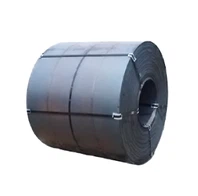
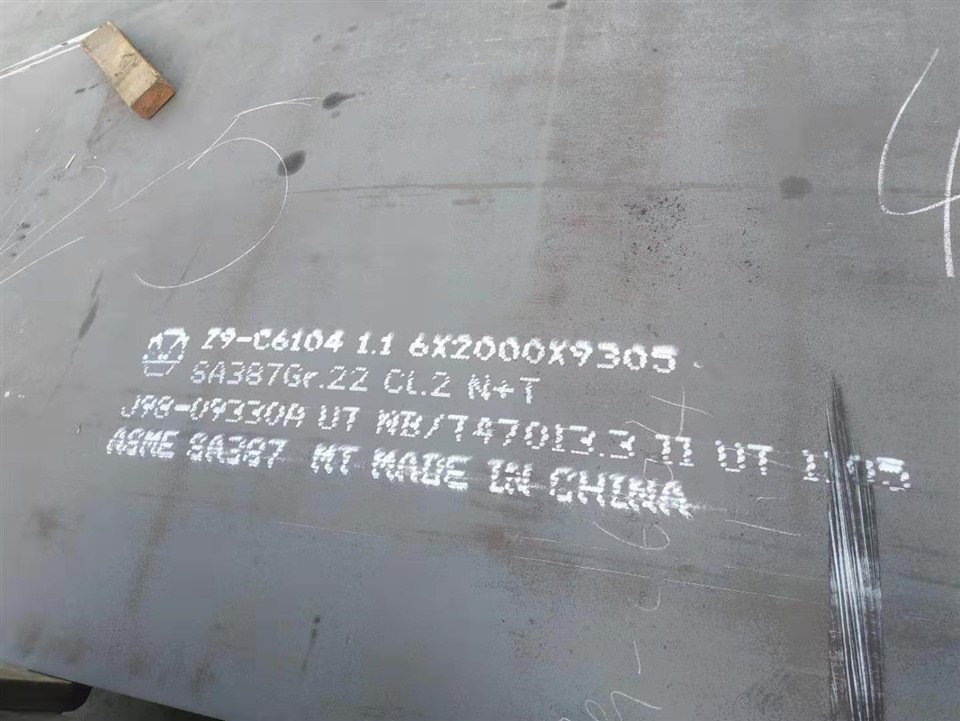
As a Pressure Vessel Plate supplier, we take ultrasonic testing very seriously. We have a range of high - quality plates, like SA285GrC A387GR11CL2, SA387GR11 A387 steel plate, and P335GH.
We make sure that every plate we supply undergoes rigorous ultrasonic testing according to the relevant standards. Our qualified testers use state - of - the - art equipment to ensure the accuracy of the testing. And we keep detailed documentation for each plate, so you can have peace of mind knowing exactly what you're getting.

Conclusion
In conclusion, ultrasonic testing of Pressure Vessel Plates is a complex but essential process. It involves following strict standards and codes, using proper equipment, having qualified personnel, and maintaining detailed documentation.
If you're in the market for Pressure Vessel Plates, you want to make sure you're getting plates that have been thoroughly tested. That's where we come in. We're committed to providing high - quality plates that meet all the necessary requirements.
If you're interested in learning more about our Pressure Vessel Plates or have any questions about ultrasonic testing, don't hesitate to reach out for a purchase negotiation. We're here to help you find the right plates for your needs.
References
- American Society of Mechanical Engineers (ASME) Boiler and Pressure Vessel Code
- International Organization for Standardization (ISO) standards related to ultrasonic testing