Hey there! As a supplier of Pressure Vessel Plates, I've been in the thick of things when it comes to understanding the nitty - gritty of magnetic particle testing. So, let's dive right into what the requirements for this testing are.

Why Magnetic Particle Testing?
First off, why do we even bother with magnetic particle testing for Pressure Vessel Plates? Well, pressure vessels are used in all sorts of industries, from oil and gas to chemical processing. These vessels are under a lot of stress, both from the pressure inside and the external environment. Any tiny crack or flaw in the plate could lead to a catastrophic failure, putting lives and property at risk. Magnetic particle testing is a non - destructive testing method that can detect surface and near - surface flaws in ferromagnetic materials, which is perfect for our Pressure Vessel Plates.
Basic Principles of Magnetic Particle Testing
Before we get into the requirements, let's quickly go over how magnetic particle testing works. When a magnetic field is applied to a ferromagnetic material, any flaws like cracks or voids will cause a disruption in the magnetic field lines. This disruption creates a magnetic leakage field at the surface of the material. When fine magnetic particles are applied to the surface, they are attracted to these leakage fields and form visible indications, showing us where the flaws are.
Requirements for Magnetic Particle Testing
1. Material Suitability
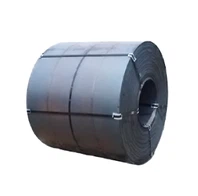
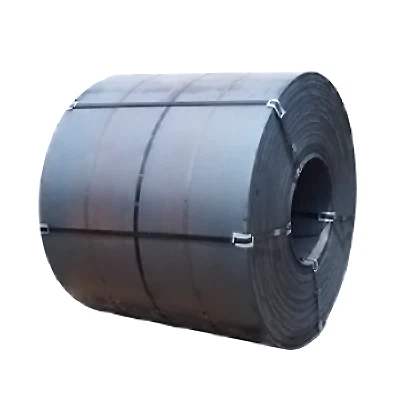
The first requirement is that the Pressure Vessel Plate must be made of a ferromagnetic material. Most of the plates we supply, like ASTM A537CL2 SA285GrB, P335GH, and P275NL1, are ferromagnetic, which makes them suitable for magnetic particle testing. Ferromagnetic materials have high magnetic permeability, which means they can be easily magnetized and the magnetic field can be effectively used to detect flaws.
2. Surface Preparation
The surface of the plate needs to be clean and free from any contaminants. Rust, scale, paint, or grease can interfere with the magnetic field and prevent the magnetic particles from adhering properly to the leakage fields. So, before testing, we usually clean the surface using methods like grinding, sandblasting, or chemical cleaning. The surface roughness also matters. A very rough surface can cause false indications, so we try to keep the surface within an acceptable roughness range.
3. Equipment Calibration
The equipment used for magnetic particle testing, such as the magnetizing device and the particle application system, must be properly calibrated. The magnetizing device should be able to generate a magnetic field of the appropriate strength. If the field is too weak, it won't be able to detect small flaws. If it's too strong, it can cause excessive background magnetization and make it difficult to distinguish between real and false indications. The particle application system should evenly distribute the magnetic particles over the surface of the plate.
4. Testing Procedure
There are two main methods of magnetic particle testing: the dry method and the wet method. In the dry method, dry magnetic particles are dusted onto the surface of the plate. This method is good for detecting flaws in rough or irregular surfaces. In the wet method, the magnetic particles are suspended in a liquid carrier and applied to the surface. The wet method is more sensitive and can detect smaller flaws. We usually choose the method based on the specific requirements of the plate and the type of flaws we're looking for.
During the testing, we need to apply the magnetic field in different directions. This is because flaws can be oriented in various ways, and applying the field in multiple directions increases the chances of detecting all the flaws. For example, we might use a longitudinal magnetic field to detect flaws parallel to the length of the plate and a circular magnetic field to detect flaws perpendicular to the surface.
5. Inspection and Evaluation
Once the magnetic particles have been applied and the indications have formed, we need to inspect and evaluate them. We use a magnifying glass or a microscope to examine the indications more closely. We look at the size, shape, and location of the indications to determine if they are real flaws or just false indications. Real flaws usually have a distinct shape and are associated with a disruption in the magnetic field. False indications can be caused by surface irregularities, magnetic inhomogeneities in the material, or improper testing procedures.
We also need to follow specific acceptance criteria. These criteria are usually defined by industry standards or customer requirements. For example, there might be a limit on the size and number of flaws that are acceptable in a given area of the plate. If an indication exceeds the acceptance criteria, the plate might need to be repaired or rejected.
6. Documentation
Proper documentation is a crucial requirement. We need to record all the details of the magnetic particle testing, including the date of testing, the equipment used, the testing method, the results of the inspection, and any corrective actions taken. This documentation is important for quality control, traceability, and compliance with industry regulations. It also provides a record that can be used for future reference if there are any issues with the plate.
Challenges in Magnetic Particle Testing
Of course, magnetic particle testing isn't without its challenges. One of the main challenges is dealing with false indications. As I mentioned earlier, surface irregularities and magnetic inhomogeneities can cause false indications, which can waste a lot of time and resources in trying to determine if they are real flaws or not. Another challenge is testing complex - shaped plates. It can be difficult to apply the magnetic field evenly and detect flaws in areas with sharp corners or curves.
Conclusion
In conclusion, magnetic particle testing is a vital part of ensuring the quality and safety of Pressure Vessel Plates. By meeting the requirements of material suitability, surface preparation, equipment calibration, proper testing procedures, inspection and evaluation, and documentation, we can effectively detect flaws in the plates and ensure that they meet the high standards required by our customers.
If you're in the market for high - quality Pressure Vessel Plates and want to know more about our testing procedures and the products we offer, don't hesitate to reach out. We're always ready to have a chat and discuss your specific needs. Whether you need ASTM A537CL2 SA285GrB, P335GH, or P275NL1, we've got you covered. Let's start a conversation and see how we can work together to meet your pressure vessel plate requirements.
References
- ASME Boiler and Pressure Vessel Code
- ASTM Standards for Non - Destructive Testing
- API Standards for Pressure Vessels