Hey there! As a supplier of A387GR11CL2, I often get asked a bunch of questions about this material. One question that pops up quite a bit is whether A387GR11CL2 can be used in radiation - exposed environments. So, let's dig into this topic and find out.
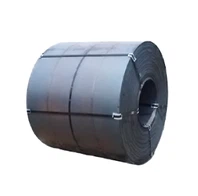
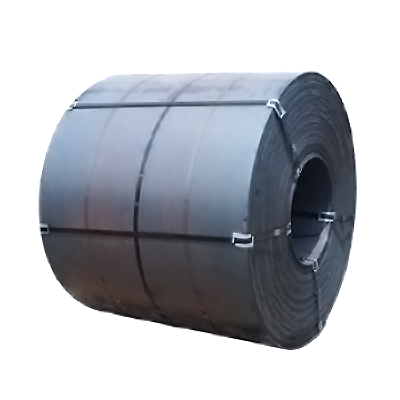
First off, let's understand what A387GR11CL2 is. A387GR11CL2 is a chromium - molybdenum alloy steel plate. It's commonly used in pressure vessels and other high - temperature applications. This steel grade offers good strength, toughness, and resistance to corrosion and oxidation at elevated temperatures.
When it comes to radiation - exposed environments, things get a bit more complicated. Radiation can have various effects on materials, including changes in their mechanical properties, such as hardness, strength, and ductility. It can also cause embrittlement, which is a big no - no in applications where the material needs to be tough and reliable.
Radiation Effects on Materials
Radiation can interact with the atoms in a material in several ways. High - energy particles, like neutrons, can displace atoms from their normal lattice positions, creating defects in the material's structure. These defects can act as sites for crack initiation and propagation, leading to a decrease in the material's ductility and an increase in its brittleness.
Gamma rays, on the other hand, can cause ionization within the material. This ionization can lead to chemical changes in the material, which may also affect its mechanical properties. Over time, repeated exposure to radiation can accumulate damage in the material, making it more prone to failure.
A387GR11CL2 in Radiation - Exposed Environments
Now, let's talk about how A387GR11CL2 fares in radiation - exposed environments. The good news is that chromium - molybdenum steels, in general, have some inherent resistance to radiation - induced embrittlement compared to some other types of steels. The chromium and molybdenum in A387GR11CL2 help to form a stable oxide layer on the surface of the material, which can provide some protection against radiation - induced oxidation and corrosion.
However, it's important to note that A387GR11CL2 is not completely immune to the effects of radiation. The extent to which it can be used in a radiation - exposed environment depends on several factors, such as the type and intensity of radiation, the duration of exposure, and the operating temperature and pressure of the application.
For low - level radiation environments, A387GR11CL2 may be a viable option. In these cases, the rate of radiation - induced damage is relatively slow, and the material can still maintain its mechanical properties over a reasonable period of time. However, for high - level radiation environments, such as those found in nuclear reactors, additional considerations and precautions are necessary.
Considerations for High - Level Radiation Environments
In high - level radiation environments, it's crucial to conduct thorough testing and evaluation of A387GR11CL2 before using it. This may include radiation - exposure tests to determine the material's radiation - induced changes in mechanical properties, as well as simulations to predict its long - term performance under radiation.
Another important factor is the design of the component. The design should take into account the potential for radiation - induced embrittlement and include features to minimize stress concentrations and crack initiation. For example, using smooth transitions and rounded corners in the component's design can help to reduce the risk of crack propagation.
Alternatives and Complementary Materials
If A387GR11CL2 is not suitable for a particular radiation - exposed environment, there are other materials that can be considered. For example, ASTM A537CL2 SA285GrB and astm a537 16Mo3 are also commonly used in pressure vessel applications and may have different radiation - resistance properties. SA516GR70 is another option that offers good strength and toughness and may be more suitable for certain radiation - exposed applications.
In some cases, a combination of materials may be used to provide the best overall performance in a radiation - exposed environment. For example, a layer of a more radiation - resistant material can be applied on top of A387GR11CL2 to provide additional protection.
Conclusion
So, can A387GR11CL2 be used in radiation - exposed environments? The answer is it depends. For low - level radiation environments, it may be a viable option, but for high - level radiation environments, careful consideration and testing are necessary. As a supplier of A387GR11CL2, I'm here to help you make the right decision for your specific application. If you're considering using A387GR11CL2 in a radiation - exposed environment, I encourage you to reach out to me. We can discuss your requirements in detail, conduct any necessary testing, and work together to find the best solution for your project. Whether it's A387GR11CL2 or another material, I'm committed to providing you with high - quality products and excellent service.

References
- ASM Handbook Volume 1: Properties and Selection: Irons, Steels, and High - Performance Alloys
- ASTM International Standards on Steel Plates for Pressure Vessels
- Research papers on radiation effects on metallic materials