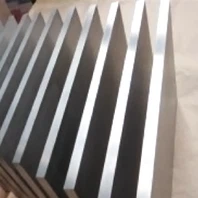
As a supplier of A387 steel plates, I am often asked about the radiographic testing method for these plates. Radiographic testing (RT) is a non-destructive testing (NDT) method used to detect internal defects in materials such as A387 steel plates. This blog post aims to provide a comprehensive overview of the radiographic testing method for A387 steel plates, including its principles, procedures, and applications.
Principles of Radiographic Testing
Radiographic testing is based on the principle that different materials absorb X-rays or gamma rays to different extents. When X-rays or gamma rays pass through a material, they are absorbed by the atoms in the material. The amount of absorption depends on the density and thickness of the material. If there is a defect in the material, such as a crack or a void, the X-rays or gamma rays will pass through the defect more easily than through the surrounding material. This results in a difference in the intensity of the X-rays or gamma rays that reach the detector on the other side of the material. By analyzing the pattern of the X-rays or gamma rays on the detector, it is possible to detect the presence and location of defects in the material.
Procedures for Radiographic Testing of A387 Steel Plates
The radiographic testing of A387 steel plates typically involves the following steps:
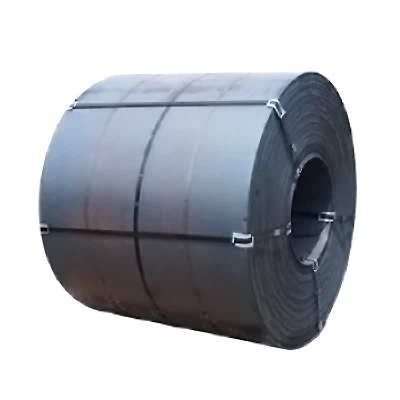
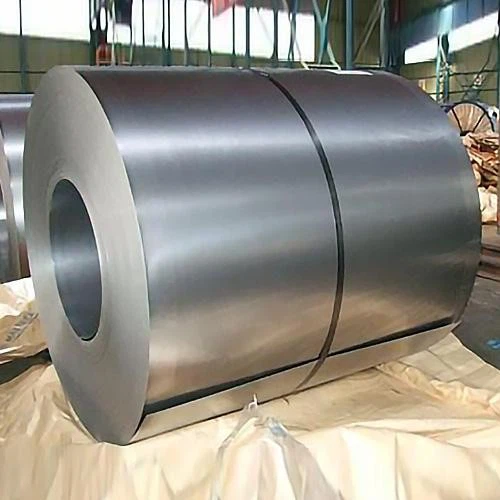
Preparation
Before the radiographic testing can be carried out, the A387 steel plate needs to be prepared. This involves cleaning the surface of the plate to remove any dirt, rust, or other contaminants that could affect the quality of the radiographic image. The plate also needs to be marked to indicate the location of the areas to be tested.
Selection of Radiation Source
The choice of radiation source depends on the thickness and type of the A387 steel plate. For thinner plates, X-rays are often used, while for thicker plates, gamma rays are more commonly used. X-rays are produced by an X-ray generator, while gamma rays are emitted by radioactive isotopes such as cobalt-60 or iridium-192.
Placement of Detector
A detector, such as a radiographic film or a digital detector, is placed on the opposite side of the A387 steel plate from the radiation source. The detector is used to record the pattern of the X-rays or gamma rays that pass through the plate.
Exposure
The radiation source is then activated, and the A387 steel plate is exposed to the X-rays or gamma rays for a specified period of time. The exposure time depends on the thickness and type of the plate, as well as the intensity of the radiation source.
Development of Radiographic Image
After the exposure is complete, the radiographic film or digital detector is processed to develop the radiographic image. For radiographic films, this involves a series of chemical processing steps, while for digital detectors, the image is simply downloaded and analyzed using specialized software.
Analysis of Radiographic Image
The developed radiographic image is then analyzed by a qualified radiographer to detect the presence and location of defects in the A387 steel plate. The radiographer looks for any indications of defects, such as cracks, voids, or inclusions, and evaluates their size, shape, and orientation.
Applications of Radiographic Testing for A387 Steel Plates
Radiographic testing is widely used in the inspection of A387 steel plates for a variety of applications, including:
Quality Control in Manufacturing
During the manufacturing process of A387 steel plates, radiographic testing can be used to detect any internal defects that may have occurred during the production process. This helps to ensure that the plates meet the required quality standards and specifications.
Inspection of Welds
A387 steel plates are often used in welded structures, such as pressure vessels and pipelines. Radiographic testing can be used to inspect the welds in these structures to detect any defects, such as lack of fusion, porosity, or cracks. This helps to ensure the integrity and safety of the welded structures.
In-Service Inspection
In-service A387 steel plates in structures such as pressure vessels and pipelines need to be periodically inspected to detect any defects that may have developed over time due to factors such as corrosion, fatigue, or mechanical stress. Radiographic testing can be used to perform these in-service inspections and to assess the remaining life of the plates.
Comparison with Other Non-Destructive Testing Methods
While radiographic testing is a powerful tool for detecting internal defects in A387 steel plates, it is not the only non-destructive testing method available. Other common non-destructive testing methods include ultrasonic testing (UT), magnetic particle testing (MT), and liquid penetrant testing (PT). Each of these methods has its own advantages and limitations, and the choice of method depends on the specific requirements of the inspection.
- Ultrasonic Testing (UT): UT is a widely used non-destructive testing method that uses high-frequency sound waves to detect internal defects in materials. UT is particularly effective for detecting defects in thick materials and for determining the size and depth of defects. However, UT requires direct contact with the material being tested and may not be suitable for detecting very small or surface-breaking defects.
- Magnetic Particle Testing (MT): MT is a non-destructive testing method that is used to detect surface and near-surface defects in ferromagnetic materials, such as A387 steel plates. MT is relatively simple and inexpensive to perform, and it can detect very small defects. However, MT is only suitable for ferromagnetic materials and cannot detect internal defects.
- Liquid Penetrant Testing (PT): PT is a non-destructive testing method that is used to detect surface-breaking defects in materials. PT involves applying a liquid penetrant to the surface of the material, allowing it to penetrate into the defects, and then removing the excess penetrant. A developer is then applied to the surface to make the defects visible. PT is relatively simple and inexpensive to perform, and it can detect very small surface-breaking defects. However, PT is only suitable for detecting surface-breaking defects and cannot detect internal defects.
Conclusion
Radiographic testing is an important non-destructive testing method for detecting internal defects in A387 steel plates. By using X-rays or gamma rays to penetrate the material and record the pattern of the radiation on a detector, it is possible to detect the presence and location of defects such as cracks, voids, and inclusions. Radiographic testing is widely used in the manufacturing, inspection of welds, and in-service inspection of A387 steel plates to ensure their quality, integrity, and safety.
If you are interested in purchasing A387 steel plates or have any questions about the radiographic testing method or other non-destructive testing methods, please feel free to contact us for further information and to discuss your specific requirements. We are committed to providing high-quality A387 steel plates and excellent customer service.
In addition to A387 steel plates, we also supply other types of pressure vessel plates, such as ASTM A537CL2 SA285GrB, SA516GR70, and P335GH Pressure Plate SA516GR70. These plates are widely used in various industries and applications, and we can provide you with the best products and solutions to meet your needs.
References
- American Society for Nondestructive Testing (ASNT). Nondestructive Testing Handbook, Volume 2: Radiography.
- ASTM International. ASTM A387/A387M - 21: Standard Specification for Pressure Vessel Plates, Alloy Steel, Chromium - Molybdenum.
- ASME Boiler and Pressure Vessel Code. Section V: Nondestructive Examination.