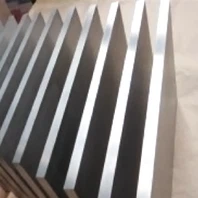
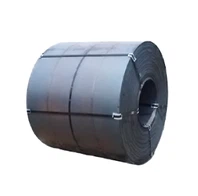
Hey there! I'm a supplier of JISG3106 SM490, and I often get asked if this material is suitable for ships. Well, let's dig into it and find out.
First off, let's talk a bit about what JISG3106 SM490 is. It's a Japanese industrial standard steel grade. This steel is known for its good strength and toughness properties. It's a low - alloy high - strength steel, which means it has a relatively small amount of alloying elements but still packs a punch in terms of performance.
When it comes to ships, there are several key factors we need to consider. One of the most important things is the strength of the steel. Ships operate in some pretty harsh environments. They face strong winds, high waves, and sometimes even collisions. So, the steel used in shipbuilding needs to be strong enough to withstand these forces.
JISG3106 SM490 has a minimum yield strength of around 325 MPa and a tensile strength in the range of 490 - 610 MPa. This level of strength is quite good for shipbuilding. It can handle the stresses that ships encounter during normal operation and even in some extreme conditions. For example, when a ship is sailing through a storm, the hull needs to be able to resist the bending and torsional forces caused by the waves. The strength of JISG3106 SM490 helps in providing that resistance.
Another crucial factor is the toughness of the steel. Toughness is the ability of a material to absorb energy without fracturing. In the context of ships, this is vital because ships can experience impacts from floating objects in the water, like icebergs or large debris. JISG3106 SM490 has good toughness, especially at low temperatures. This is important because ships may operate in cold regions, such as the Arctic or Antarctic. A steel with poor toughness in cold conditions could crack easily, which would be a major safety hazard.
Corrosion resistance is also a big deal for ships. Since ships are constantly in contact with seawater, they are prone to corrosion. JISG3106 SM490, like many other steels, is not inherently corrosion - resistant. However, it can be protected with proper coatings. There are various types of anti - corrosion coatings available in the market that can be applied to the steel to prevent rusting and other forms of corrosion. With the right coating system, JISG3106 SM490 can have a long service life in a marine environment.
Now, let's compare JISG3106 SM490 with some other steel grades commonly used in shipbuilding. For instance, High Strength Plate is another option. High strength plates come in different grades and can offer similar or even higher strength levels compared to JISG3106 SM490. But the choice between them depends on the specific requirements of the ship design. Sometimes, the cost and availability of the steel also play a role.
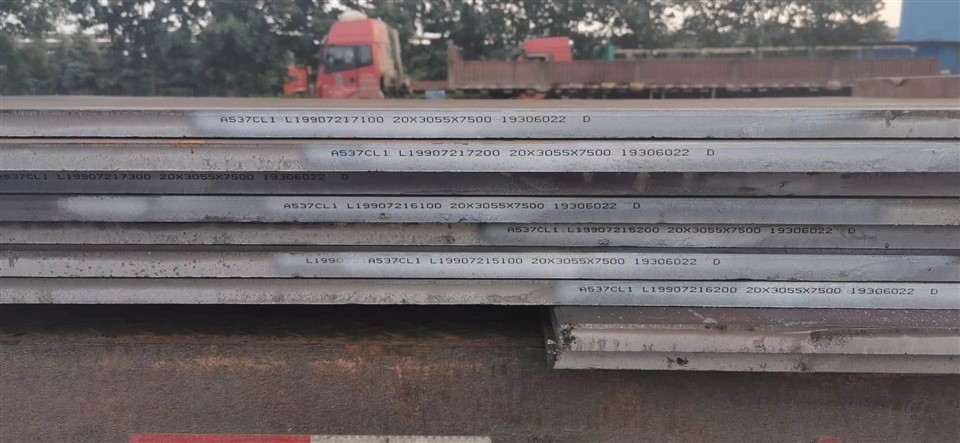
ASME SA516 A537CL1 A537CL2 A537CL3 are also well - known steel grades in the industry. These steels are often used in pressure vessels and some shipbuilding applications. They have their own set of mechanical properties. A537CL1, for example, has good weldability and toughness, which are important for ship construction. But JISG3106 SM490 can be a great alternative, especially if you are looking for a steel with a good balance of strength and cost.
S355JO is another popular steel grade. It is a European standard steel. S355JO has a minimum yield strength of 355 MPa, which is slightly higher than that of JISG3106 SM490. However, JISG3106 SM490 may have better performance in some aspects, such as its toughness at low temperatures.
In terms of weldability, JISG3106 SM490 is quite weldable. Welding is a key process in shipbuilding as it is used to join different parts of the ship's structure together. Good weldability means that the steel can be welded without too many issues, such as cracking or porosity in the weld zone. This is important for ensuring the integrity of the ship's structure.
However, there are also some limitations to using JISG3106 SM490 in ships. One of the main challenges is the need for proper quality control during the manufacturing process. The properties of the steel can vary depending on factors like the chemical composition and the heat treatment. So, it's essential to work with a reliable supplier who can ensure consistent quality.
Another thing to consider is the cost. While JISG3106 SM490 offers good performance, the cost of the steel and the associated coating and processing can add up. Shipbuilders need to balance the performance requirements with the budget.
In conclusion, JISG3106 SM490 can be a suitable choice for ships. It has the strength, toughness, and weldability needed for shipbuilding. But like any material, it has its pros and cons. If you're in the shipbuilding business and are considering using JISG3106 SM490, I'd be more than happy to have a chat with you. We can discuss your specific requirements, the quantity you need, and the best way to get the most out of this steel for your shipbuilding projects.
If you're interested in learning more or starting a procurement process, don't hesitate to reach out. I'm here to help you make the right decision for your shipbuilding needs.

References
- Shipbuilding Steel Standards Handbook
- Journal of Marine Engineering and Technology
- Research papers on low - alloy high - strength steels in shipbuilding