Products

High Strength Plate
What is High Strength Plate
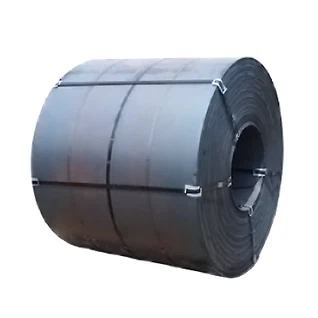
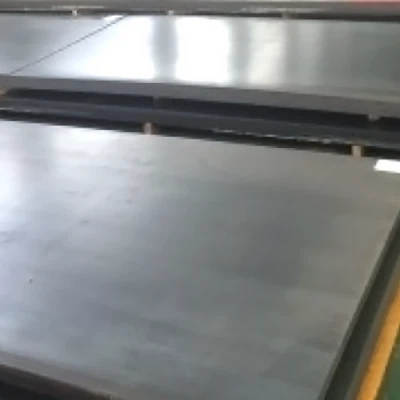
High-strength plate refers to a type of steel plate that has been specifically engineered to possess superior strength characteristics compared to standard steel plates. This increased strength allows for the use of thinner materials in construction and engineering applications, which can lead to weight savings and cost reductions without compromising on safety or performance.
Advantages of High Strength Plate
Increased Strength
High strength plate has a higher yield strength and tensile strength than conventional steel plates. This means that it can withstand higher stresses and loads without deforming or breaking. This increased strength allows for the use of thinner and lighter plates, reducing the weight and cost of the overall structure.
Improved Durability
High strength plate is more resistant to wear, corrosion, and fatigue than conventional steel plates. This means that it can withstand harsh environments and heavy usage without deteriorating or failing. This improved durability reduces maintenance costs and extends the lifespan of the structure.
Environmental Benefits
The use of high strength plate can reduce the environmental impact of the structure. The reduced weight and thickness of the plates result in lower carbon emissions during transportation and installation. Additionally, the improved durability of the plates reduces the need for maintenance and replacement, further reducing environmental impact.maxime veniam maiores asperiores fugit reiciendis, quasi labore nobis quam eligendi ducimus excepturi?
Cost Savings
High strength plate can reduce the weight and thickness of the structure, resulting in cost savings in material, transportation, and installation. The use of thinner and lighter plates also reduces the amount of welding and fabrication required, further reducing costs.
Design Flexibility
High strength plate allows for greater design flexibility, as it can be used to create structures with thinner and lighter profiles. This allows for more creative and innovative designs, as well as easier installation and transportation.
Improved Safety
High strength plate can improve the safety of the structure by reducing the risk of failure or collapse. The increased strength and durability of the plates ensure that the structure can withstand higher stresses and loads, reducing the risk of accidents or injuries.




Why Choose High Strength Plate Manufactuer
Qinhuangdao Aotong was founded in 2004. Our main products include ASME SA516, heavy plates, JIS G3106 SM490, A516 Gr 70 plates, low alloy steel plates, vessel plates A516Gr70, abrasion-resistant wear plates, and carbon steel plate A283GRC, among others. With annual sales exceeding 300 thousand tons, we serve numerous domestic end-users and large and medium-sized projects. Additionally, our products are exported to Europe, South America, and Southeast Asia.
Advantages of China High Strength Plate Supplier:
Advanced equipment
We take great measures to ensure that we work with the industry's highest quality equipment and that our equipment is regularly and meticulously maintained.
High quality products
We always put customer needs and expectations in the first place, refine on, continuous improvement, to seek every opportunity to do better, to provide customers with their expectations of quality products, to provide customers with the most satisfactory service at anytime.
Competitive prices
We offer our products at competitive prices, making them affordable for our customers. We believe that high-quality products should not come at a premium, and we strive to make our products accessible to all.
Rich experience
Has a long-standing reputation in the industry, which makes it stand out from its competitors. With over many years of experience, they have developed the skills necessary to meet their clients' needs.
Innovation
We are dedicated to improving our systems continually, ensuring that the technology we offer is always cutting edge.
Professional team
We have a team of skilled and experienced professionals who are well-versed in the latest technology and industry standards. Our team is dedicated to ensuring that our customers get the best service and support possible.
Types of High Strength Plate
Structural Steel Plates
These are used in building and bridge construction. They are known for their strength, durability, and ability to resist environmental factors. Structural steel plates are graded by yield strength and are often specified by standards like ASTM (American Society for Testing and Materials). Examples include ASTM A572 Grades 50 and 60, which have yield strengths of 50 ksi and 60 ksi, respectively.
High-Strength Low-Alloy (HSLA) Plates
HSLA steels contain small amounts of alloying elements and are processed to achieve high strength with good formability and weldability. They are used in various applications where strength-to-weight ratio is important, such as in automotive body panels and truck frames. Examples include ASTM A588 Grade 50, with a minimum yield strength of 50 ksi.
Dual-Phase (DP) and Transformation-Induced Plasticity (TRIP) Steels
These advanced high-strength steels have a microstructure consisting of ferrite and martensite phases. DP steels offer high strength and good ductility, while TRIP steels further enhance ductility through a transformation mechanism that occurs during plastic deformation. These steels are commonly used in automotive body structures.
Quenched and Tempered (Q&T) Plates
These plates are subjected to a heat treatment process involving rapid cooling (quenching) followed by controlled heating (tempering) to achieve high strength and toughness. Q&T plates are used in applications requiring resistance to impact and fatigue, such as in crane components and machine tool bases.
Martensitic Stainless Steel Plates
Martensitic stainless steels contain chromium and are hardened by heat treatment. They exhibit high strength and good corrosion resistance, making them suitable for applications in chemical plants and food processing equipment. An example is AISI 410 stainless steel.
Marine Grade Plates
These are specially designed for use in marine environments and are resistant to corrosion from saltwater. They are often used in shipbuilding, offshore structures, and other maritime applications. Examples include ASTM A516 Grades 70 and 70W, which have yield strengths of 70 ksi and are Weldable.
Ultra-High-Strength Steels (UHSS)
UHSS steels have yield strengths greater than 700 MPa (100 ksi). They are produced through various alloying and processing methods, including thermo-mechanical treatments. UHSS steels are used in critical automotive components, armor plating, and aerospace applications.
What Are the Common Materials Used in High-Strength Plates
Steel
Steel is one of the most common materials used in high-strength plates. It offers high strength, durability, and stiffness. Different grades of steel are available, such as high-strength low-alloy (HSLA) steel and quenched and tempered (QT) steel. These grades have higher yield strength and tensile strength compared to ordinary carbon steel.
Aluminum alloys
Aluminum alloys are lightweight yet offer good strength and corrosion resistance. They are commonly used in applications where weight reduction is important, such as in the aerospace and automotive industries. Some common aluminum alloys used in high-strength plates include 7075-T6, 6061-T6, and 5083-H116.
Titanium alloys
Titanium alloys offer high strength-to-weight ratio, excellent corrosion resistance, and high-temperature performance. They are commonly used in aerospace and medical applications. Some common titanium alloys used in high-strength plates include Ti-6Al-4V (Grade 5), Ti-6Al-2Sn-4Zr-2Mo (Grade 23), and Ti-10V-2Fe-3Al (Grade 10).
Nickel alloys
Nickel alloys offer high strength, corrosion resistance, and heat resistance. They are commonly used in the aerospace and power generation industries. Some common nickel alloys used in high-strength plates include Inconel 718, Hastelloy X, and Waspaloy.
Composite materials
Composite materials, such as fiber-reinforced polymers (FRP) and carbon fiber composites, offer high strength-to-weight ratio and excellent fatigue resistance. They are commonly used in applications where weight reduction is critical, such as in the aerospace and automotive industries. Some common composite materials used in high-strength plates include carbon fiber reinforced epoxy (CFRP) and glass fiber reinforced polyester (GFRP).
Common Applications of High Strength Steel Plates
The automobile industry is one of the most significant users of high-strength steel plates. Car manufacturers increasingly use high-strength steel plates to improve their cars' rigidity, durability, and safety. Automobiles use high-strength steel plates to manufacture crash-resistant structures, ensuring that passengers are safe during a collision.
Shipbuilding is another industry that requires high-quality steel plates. A ship's hull is built primarily using steel plates, and using high-strength steel plates improves the ship's structural integrity, making it more durable and long-lasting. Using high-strength steel plates also means that ships can carry more cargo without becoming too heavy.
The energy industry is yet another sector that uses high-strength steel plates in its structures. This type of steel is used to construct wind turbines, transmission towers, and other energy-related structures. High-strength steel limits maintenance costs and increases the equipment's overall product life, making it a cost-effective investment in the long run.
High-strength steel plates are commonly used in the construction industry to create bridges, tunnels, and high-rise buildings. This steel plate can withstand high loads and pressure, making it ideal for building facilities that must remain stable and secure under extreme conditions.
High-strength steel plates are widely used in manufacturing heavy equipment such as cranes, excavators, bulldozers, and other earthmoving equipment. These machines are subject to heavy loads and pressures daily, and high-strength steel plates are essential to ensure that components remain intact and that the machine can perform to its fullest potential.
High-strength steel plates are versatile materials that can be used in various industries. Their durability, strength, and cost-effectiveness make them appealing for different applications. From the automobile industry to heavy equipment manufacturing, high-strength steel plates are becoming increasingly popular as people appreciate their benefits. This blog has given you an insight into some of the most common applications of high-strength steel plates in different industries.
Why High Strength Steel Plates Are Essential in Modern Construction
One major advantage of High Strength Steel Plate Suppliers is its ability to reach skyward efficiently. Gravity and wind loads accumulate dramatically on vertical structures. Only strong and stiff materials can resist buckling when they rise hundreds of meters into the air. New steel alloys are being used to make tall buildings that are both safe and strong. These alloys have high yield strength, which means they can support tall and slender columns. This allows architects to design skyscrapers that reach great heights without sacrificing safety.
High Strength Steel Plate Suppliers is stronger and lighter than other options. Thicker columns of traditional steel or concrete can reach the required load capacities. However, using less material with high-strength steel reduces weight a lot. This allows the construction of more floors within given height limits and reduces seismic loads. Boosting strength without adding mass leads to more optimized, lightweight designs.
High Strength Steel Plate Suppliers also offer the workability required for efficient construction. Clean, uniform, fine-grained steel microstructures make it easier to weld and machine. This helps with faster fabrication in shops and fields. Advanced high strength steels make constructing complex geometry easier with their exceptional forming capabilities. More rapid assembly translates to lower costs and quicker project timelines.
Sustainability represents an increasing priority for modern buildings as well. Because less steel by weight is needed to achieve given performance requirements, high strength steels reduce raw material demands. Forming efficient structural systems also decreases the footprint and materials required overall. Steel's unlimited recyclability at end of service life further improves sustainability. Lighter yet stronger designs with less waste align with green construction goals.
Traditional construction materials like concrete and standard steels can only handle simple shapes. But Abrasion Resistant Plate suppliers are very strong and allow for complex and unique designs that were impossible before. This allows for innovative architectural designs. High-strength plates can now practically construct free-flowing curves, sharp corners, and negatively angled cantilevers without the risk of failure. The versatility of steel combined with exceptional mechanical properties promotes innovation.
High strength plate is often made from alloyed steel, which contains specific alloying elements that enhance its strength and performance. Common alloying elements include manganese, chromium, nickel, molybdenum, and vanadium. These elements help to improve the strength, hardness, and toughness of the steel. The microstructure of high strength plate plays a crucial role in its strength and performance. It is typically characterized by a fine-grained structure, which is achieved through controlled cooling and heat treatment processes. This fine-grained structure enhances the strength and toughness of the plate. High strength plate has a higher yield strength compared to conventional steel plates. Yield strength refers to the maximum stress that a material can withstand without permanent deformation. The higher yield strength of high strength plate allows it to withstand higher loads and stresses.
High strength plate also has a higher tensile strength compared to conventional steel plates. Tensile strength refers to the maximum stress that a material can withstand before breaking or fracturing. The higher tensile strength of high strength plate ensures its ability to withstand heavy loads and external forces. High strength plate exhibits excellent toughness, which refers to its ability to absorb energy and resist fracture. This toughness is achieved through the combination of alloying elements, microstructure, and heat treatment processes. The high toughness of high strength plate ensures its resistance to impact and fatigue. Despite its high strength, high strength plate retains a certain level of ductility. Ductility refers to the ability of a material to deform under tensile stress without breaking. The ductility of high strength plate allows for easier fabrication and forming processes, such as bending and welding.
High strength plate is often designed to have good corrosion resistance, especially when used in environments where corrosion is a concern. This is achieved through the addition of corrosion-resistant alloying elements or through the application of protective coatings. High strength plate is typically designed to have good weldability, allowing for easy and reliable welding processes. This is important for the fabrication and assembly of structures using high strength plate. High strength plate can be manufactured in various thicknesses, allowing for flexibility in design and application. The use of high strength plate with thinner profiles can result in weight savings, reducing the overall weight of the structure.
What Are the Welding Techniques Suitable for High-Strength Plates
Shielded Metal Arc Welding (SMAW)
Also known as stick welding, SMAW is versatile and widely used due to its portability and ability to weld in various positions. However, it requires skilled operators to manage heat input and control the weld pool effectively. Preheating is often necessary to prevent cold cracking.
Flux-Cored Arc Welding (FCAW)
FCAW combines the portability of SMAW with the productivity of GMAW. It can be used with self-shielded flux-cored wire, making it suitable for outdoor applications where wind might interfere with gas shielding. It also accommodates a wide range of heat inputs and can be used in all positions.
Friction Stir Welding (FSW)
FSW is a relatively new technique that generates heat through mechanical friction between a rotating tool and the workpiece. It is particularly effective for joining high-strength aluminum alloys and has been gaining popularity due to its ability to produce defect-free welds with excellent mechanical properties.
Gas Metal Arc Welding (GMAW)
GMAW, also known as MIG welding, offers high deposition rates and can be semi-automatic or fully automated. It provides consistent heat input and penetration but requires shielding gas to protect the weld from atmospheric contaminants.
Gas Tungsten Arc Welding (GTAW)
GTAW, or TIG welding, is well-suited for high-strength plates because it allows precise control of heat input and produces high-quality welds with minimal defects. It is particularly useful for thin materials and for welding dissimilar metals. Like GMAW, it requires an inert or semi-inert shielding gas.
Submerged Arc Welding (SAW)
SAW is highly productive and suited for thick plates due to deep penetration and high heat input. It uses a granular flux that covers the weld area, protecting it from atmospheric contaminants and providing slag that can be easily removed after welding.
Hot rolled steel can be cut into plates into 4mm thin sheets using plasma beam cutting. High tensile steel is highly brittle in nature due to high content of more than 45% silicon in it. That's why it is very necessary to use plasma cutting to cut high tensile steel otherwise we can get uneven or wire edges which is definitely a bad quality of cutting output. Therefore, such steel costs less than cold-rolled steel. Hot rolled steel plate is heat treated only once after rolling and due to its low physical and chemical properties, it is usually not used for manufacturing enameled products. This happens because the crystals in the crystalline grid are arranged in random order leading to high diffusion of hydrogen and it also has a small filling factor. It's very important to keep in mind that the cooling rate depends on the diameter. It is directly proportional to it. The greater the thickness of the steel, the more time it takes to cool down. Generally, the properties of hot-rolled steel are not as good as that of cold-rolled steel. It has higher chances of developing cracks and is gradually being used less and less in the process of production.

How Is the Strength of High-Strength Plates Measured
Tensile Strength Test
Tensile strength is the maximum stress that a material can withstand while being stretched or pulled before it fails or breaks.
In this test, a standard specimen of the high-strength plate is placed in a tensile testing machine, where it is subjected to increasing tensile loads until failure occurs.
The tensile strength is measured as the maximum load applied divided by the original cross-sectional area of the specimen.
Yield Strength Test
Yield strength is the stress at which a material begins to deform plastically and permanently loses its shape.
During a tensile test, the yield strength is determined by the stress at which the material exhibits a specified amount of permanent deformation, such as 0.2% offset yield strength.
This measurement provides an indication of the plate's ability to resist deformation under load.
Hardness Test
Hardness is a measure of a material's resistance to indentation or scratching.
Hardness tests, such as Brinell, Vickers, or Rockwell, involve applying a known force to a small indenter on the surface of the plate and measuring the resulting indentation size.
The hardness value obtained provides an indirect indication of the material's tensile strength and wear resistance.
Impact Test
Impact tests measure the toughness or ability of a material to absorb energy during rapid loading, such as in the case of impact or shock loading.
A standardized specimen of the plate is subjected to a controlled impact at a specific temperature (often at sub-zero temperatures for materials intended for low-temperature applications).
The energy absorbed during fracture or the number of impacts required to cause failure is recorded as a measure of impact strength.
Bending Test
Bending tests evaluate the flexural strength and ductility of materials.
A beam or plate specimen is supported at two points and loaded in the middle to induce bending.
The load and deflection at various points during the test are measured to determine the flexural strength and stiffness of the material.
Chemical Composition and Microstructure Analysis
The strength of high-strength plates is also influenced by their chemical composition and microstructure.
Chemical analysis is performed to determine the levels of alloys, carbon, and other elements present in the plate, which affect its mechanical properties.
Microstructural examination using optical or electron microscopy can reveal the grain size, phase distribution, and presence of any defects or impurities that may affect strength.
High Strength Plate Factory Product Recommendations
ASME SA516 steel is available in grades 55, 60, 65, and 70, and is also offered in the normalized condition for improved notch toughness. The steel is made from carbon-manganese steels and produced to pressure vessel quality (PVQ) standards.
Heavy plate is steel sheet material that is at least 3 inches thick, up to 4 meters wide, and up to 250 millimeters thick. It's manufactured by reverse thermomechanical rolling slabs. Heavy plate is made from a variety of grades, including hot-rolled carbon steel plate and high-strength low-alloy steel plate.
JISG3106 SM490A Carbon and Low-alloy High-strength Steel Plate Application. JISG3106 SM490A Steel Plate are used in Construction of Bridges, Highway Construction and Other Engineering construction.
Plate A516 Gr 70 is a carbon steel pressure vessel plate that can withstand moderate and low temperatures. It's the most common grade of A516 steel plate and is used in the oil, gas, and petrochemical industries for boilers and pressure vessels. Plate A516 Gr 70 is also used in industrial boilers and other applications that require high notch toughness and moderate to low temperatures.
Vessel Plate A516gr70, also known as A516-70, is a carbon steel plate used in pressure vessels for low to moderate temperatures. Vessel Plate A516gr70 is the most popular grade of steel plate in the industry, and is used in the chemical, oil and gas, and petrochemical industries.
Abrasion Resistant Wear Plates:
Abrasion resistant wear plates, also known as wear-resistant steel plates (AR plates), are made from steel slabs that contain different alloys. The carbon in the steel makes it more durable, while the other metals make it more formable and weather resistant. The carbon increases the steel's hardness, but the toughness is reduced making it more susceptible to cracking.
Carbon Steel Plate A283grc is a carbon steel plate with low to intermediate tensile strength that's used for general structural purposes. Carbon Steel Plate A283grc has a similar chemical composition to other grades, but has different tensile strength, yield strength, and specific applications.
Our Factory
Qinhuangdao Aotong was founded in 2004,it is a geoup management enterprises with the collection of trade ,steel further processing and warehousing logistics .The three major business sector include the Aotong metal center and the Aotong logistics center .The factory covers an area of 202000 square meters.The company has established Chenggang Wuyang and other major steel mills and traders across the country.The main products include medium and heavy steel plates,hot rolled coils, cold rolled pickled plates ,profiles building materials,etc.,with annual sales of more than 300 thousand tons.In addition to serving many domestic end-users and large and medium-sized projects,the products are exported to Europe,South America and Southeast Asia.


Certifications


High Strength Plate Manufacturers Questions Guide:
Q: What is the difference between high-strength plates and armor plate?
Q: How do I cut high-strength plates?
Q: What is the difference between high-strength plates and weathering steel?
Q: Can high-strength plates be painted or coated?
Q: How do I repair a high-strength plate?
Q: What is the difference between high-strength plates and stainless steel plates?
Q: How do I install high-strength plates?
Q: What is the difference between high-strength plates and HSLA steel?
Q: How do I test the mechanical properties of high-strength plates?
Q: What is the future of high-strength plates?
Q: What are the benefits of using high-strength plates?
Q: How is a high-strength plate made?
Q: What are the most common types of high-strength plates?
Q: What is the difference between high-strength plates and standard steel plates?
Q: What are the typical applications for high-strength plates?
Q: How do I select the right type of high-strength plate for my application?
Q: Can high-strength plates be welded?
Q: What is the maximum thickness of a high-strength plate?
Q: Are high-strength plates more expensive than standard steel plates?
Q: How do I store high-strength plates?
Q: What are the uses of heavy planet?
Q: What are the Carbon Steel Plate A283grc production technology?
Q: What are the uses of Jisg3106 Sm490?
Q: What are the characteristics of Plate A516 Gr 70?
Tensile strength: 485–625 MPa
Yield strength: 38 ksi
Elongation: At least 17% in 200mm, and at least 21% in 50mm
Machinability: Fair
Weldability: Excellent
Notch toughness: Good
Q: What are the advantages of Abrasion Resistant Wear Plates?
Q: Plate A516 G70 is suitable for which industries are suitable for?
Choose Our High Strength Plate And You Won't Be Disappointed!
We're well-known as one of the leading Alloy Steel Plate manufacturers and suppliers in China.
Our hot products are: Asme Sa516, Heavy Plate, Jisg3106 Sm490, Plate A516 Gr 70, Low Alloy Steel Plate, Vessel Plate A516gr70, Abrasion Resistant Wear Plates, Carbon Steel Plate A283grc.
If you're going to buy custom made Alloy Steel Plate at competitive price, welcome to get more company information from our factory.
Hot Tags: high strength plate, China high strength plate manufacturers, suppliers, factory, density steel plate, low alloy steel plate, steel plate for building, local steel plate, elastic modulus steel plate, standard steel plate