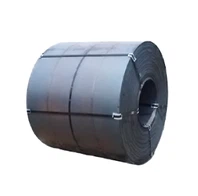
Pressure vessel plates are crucial components in various industries, known for their ability to withstand high pressure and harsh environments. As a supplier of pressure vessel plates, I often receive inquiries about the potential use of these plates in the aerospace industry. This blog post aims to explore whether pressure vessel plates can indeed be used in aerospace applications, considering the unique requirements and challenges of this sector.
Understanding Pressure Vessel Plates
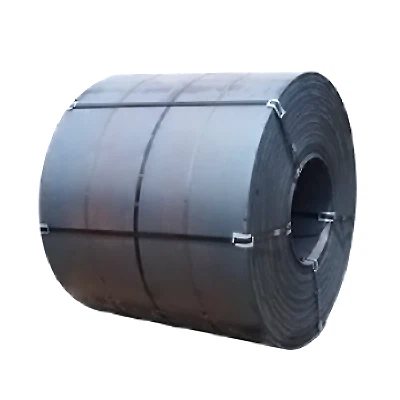
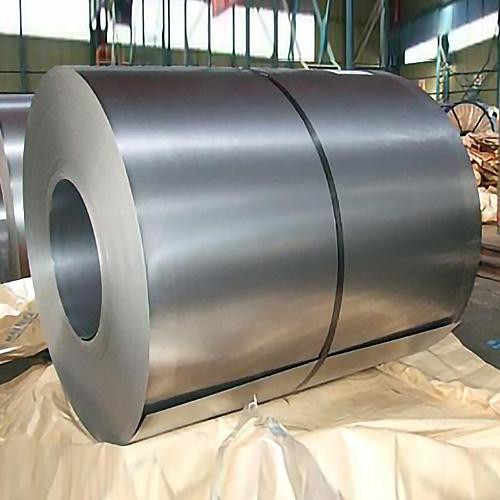
Pressure vessel plates are specially designed steel plates used in the construction of pressure vessels, which are containers designed to hold gases or liquids at a pressure substantially different from the ambient pressure. These plates are manufactured to meet specific standards and specifications, ensuring they can withstand the internal pressure without failing. Common grades of pressure vessel plates include astm a537 16Mo3, SA516GR70, and SA285GrA, each with its own set of properties and applications.
Requirements of the Aerospace Industry
The aerospace industry has extremely high standards and requirements for materials due to the critical nature of aerospace applications. Safety, reliability, and performance are of utmost importance, and materials used in aerospace must meet strict regulations and certifications. Some of the key requirements for materials in the aerospace industry include:
- High Strength-to-Weight Ratio: Aerospace components need to be lightweight to reduce fuel consumption and increase payload capacity. At the same time, they must have high strength to withstand the mechanical stresses during flight.
- Corrosion Resistance: Aerospace vehicles are exposed to various environmental conditions, including high humidity, saltwater, and chemicals. Materials used in aerospace must have excellent corrosion resistance to ensure long-term durability.
- Temperature Resistance: Aerospace components may experience extreme temperature variations during flight, from very low temperatures at high altitudes to high temperatures during re-entry. Materials must be able to maintain their mechanical properties over a wide range of temperatures.
- Fatigue Resistance: Aerospace components are subjected to repeated loading and unloading cycles during flight, which can cause fatigue failure. Materials used in aerospace must have high fatigue resistance to ensure long-term reliability.
Can Pressure Vessel Plates Meet Aerospace Requirements?
While pressure vessel plates are designed to withstand high pressure, their suitability for aerospace applications depends on several factors. Here are some considerations:
- Strength-to-Weight Ratio: Some pressure vessel plates have relatively high strength, but they may not have the optimal strength-to-weight ratio required for aerospace applications. Aerospace materials often require advanced alloys and composites that offer a better balance between strength and weight.
- Corrosion Resistance: Many pressure vessel plates are made of carbon steel, which may not have sufficient corrosion resistance for aerospace applications. Specialized corrosion-resistant alloys, such as stainless steel and titanium, are more commonly used in aerospace.
- Temperature Resistance: Pressure vessel plates are typically designed for use at moderate temperatures. They may not be able to withstand the extreme temperature variations experienced in aerospace applications without significant degradation of their mechanical properties.
- Certification and Compliance: The aerospace industry has strict regulations and certifications for materials. Pressure vessel plates may not meet the specific requirements and standards set by aerospace regulatory bodies.
Potential Applications of Pressure Vessel Plates in Aerospace
Although pressure vessel plates may not be suitable for primary structural components in aerospace, there are some potential applications where they could be used:
- Non-Critical Components: Pressure vessel plates could be used in non-critical components of aerospace vehicles, such as storage tanks for non-flammable gases or liquids. These components may not require the same level of performance and reliability as primary structural components.
- Ground Support Equipment: Pressure vessel plates could be used in ground support equipment for aerospace operations, such as pressure vessels for testing and maintenance. These applications may have less stringent requirements compared to in-flight applications.
Conclusion
In conclusion, while pressure vessel plates have their own advantages and applications in various industries, their use in the aerospace industry is limited. The unique requirements of the aerospace industry, including high strength-to-weight ratio, corrosion resistance, temperature resistance, and fatigue resistance, make it challenging for pressure vessel plates to meet the standards. However, there may be some potential applications for pressure vessel plates in non-critical components and ground support equipment.
As a pressure vessel plate supplier, I understand the importance of providing high-quality products that meet the specific needs of our customers. If you are interested in exploring the potential use of pressure vessel plates in your aerospace applications, I encourage you to contact me for more information and to discuss your requirements. We can work together to determine the most suitable materials and solutions for your project.
References
- ASME Boiler and Pressure Vessel Code
- Aerospace Materials Handbook
- Federal Aviation Administration (FAA) Regulations