Is ASME SA516 suitable for low - temperature applications?
Hey there! I'm a supplier of ASME SA516 steel, and I often get asked if this material is a good fit for low - temperature applications. So, let's dig into this topic and find out.
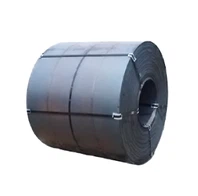
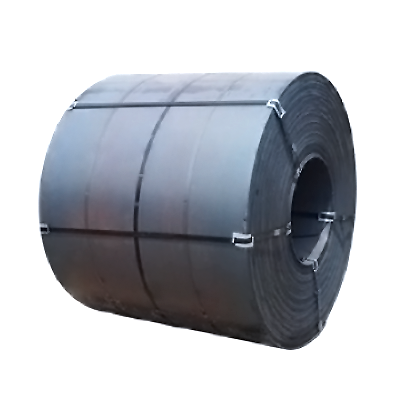
First off, what is ASME SA516? It's a specification for pressure vessel plates, carbon steel, for moderate and lower temperature service. This steel is widely used in the fabrication of boilers, pressure vessels, and other equipment in the oil, gas, and chemical industries. It comes in different grades, like SA516 Gr. 55, SA516 Gr. 60, SA516 Gr. 65, and SA516 Gr. 70, with the numbers indicating the minimum tensile strength.
Now, when it comes to low - temperature applications, there are a few key factors we need to consider. One of the most important ones is the impact toughness of the material. At low temperatures, metals can become brittle, and if they don't have enough impact toughness, they can crack or fail under stress.
ASME SA516 has some decent impact toughness characteristics. The material is designed to have good notch toughness, which means it can resist cracking when there's a notch or a sharp corner in the structure. However, the impact toughness of SA516 can vary depending on the grade and the heat treatment it has undergone.
For example, SA516 Gr. 70 is often used in low - temperature applications because it has relatively high strength and good impact toughness. But even with Gr. 70, we need to be careful. The temperature at which the steel starts to become brittle, known as the ductile - brittle transition temperature (DBTT), is an important consideration.
In general, as the temperature drops, the impact toughness of SA516 decreases. So, we need to make sure that the operating temperature of the application is above the DBTT of the specific grade of SA516 we're using. If the temperature goes below the DBTT, the risk of brittle fracture increases significantly.
Another factor to think about is the thickness of the plate. Thicker plates of SA516 may have different mechanical properties compared to thinner ones. Thicker plates can be more prone to internal stresses and may have a higher DBTT. So, when selecting SA516 for low - temperature applications, we need to take the plate thickness into account as well.
Let's talk about some real - world examples. In the oil and gas industry, there are many storage tanks and pipelines that operate at low temperatures. ASME SA516 is often used in these applications, but engineers need to carefully design the structures and select the appropriate grade and thickness of the steel.
For instance, if a storage tank is going to be used to store liquefied natural gas (LNG), which has a very low temperature, we need to make sure that the SA516 plates used in its construction can withstand the cold. This may involve additional testing and quality control measures to ensure that the material meets the required standards for low - temperature service.
Now, let's compare ASME SA516 with some other materials commonly used in low - temperature applications. There are materials like NM450 Abrasion Resistant Wear Plates, P460QL2 Vessel Plate A516GR70, and S355J2.
NM450 is mainly known for its abrasion resistance. While it may have some good mechanical properties, its suitability for low - temperature applications may not be as straightforward as SA516. P460QL2 is a high - strength low - alloy steel that is also used in pressure vessels. It has good toughness at low temperatures, but it may be more expensive than SA516 in some cases. S355J2 is a structural steel that can be used in various applications, but its performance in extremely low - temperature environments may not be as reliable as SA516, especially for pressure - containing structures.
So, is ASME SA516 suitable for low - temperature applications? The answer is yes, but with some conditions. If we carefully select the grade, control the heat treatment, and consider the operating temperature and plate thickness, SA516 can be a great choice for low - temperature applications.

As a supplier, I always recommend working closely with engineers and designers to ensure that the right material is selected for the job. We can provide detailed technical data and support to help you make the best decision. If you're in the market for ASME SA516 for a low - temperature application, don't hesitate to reach out. We can discuss your specific requirements and find the perfect solution for you.
In conclusion, ASME SA516 has the potential to perform well in low - temperature applications, but it's all about proper selection and application. So, if you have any questions or need more information, feel free to contact us for a procurement discussion.
References
- ASME Boiler and Pressure Vessel Code, Section II, Part A: Ferrous Material Specifications
- Material Science and Engineering textbooks for general knowledge on metal properties at low temperatures.