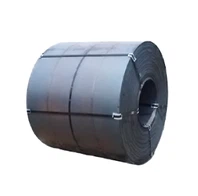
Hey there! I'm a supplier of Pipe Line Plate, and I've been in this business for quite a while. Today, I wanna talk about the domestic standards for Pipe Line Plate. It's super important for everyone involved in the industry, whether you're a buyer, a builder, or just someone interested in how things work.
First off, let's understand what Pipe Line Plate is. It's a special type of steel plate used to make pipes for transporting various fluids like oil, gas, and water. These pipes are often laid underground or underwater, so the quality of the Pipe Line Plate is crucial to ensure the safety and efficiency of the pipeline system.
In the domestic market, there are several key standards that Pipe Line Plate must meet. These standards cover a wide range of aspects, including chemical composition, mechanical properties, and manufacturing processes.
Chemical Composition
The chemical composition of Pipe Line Plate plays a vital role in determining its performance. For example, carbon (C) is an important element that affects the strength and hardness of the steel. Too much carbon can make the steel brittle, while too little can result in low strength. Other elements like manganese (Mn), silicon (Si), sulfur (S), and phosphorus (P) also have specific limits. Manganese helps improve the strength and toughness of the steel, while sulfur and phosphorus are usually kept at low levels because they can reduce the ductility and weldability of the steel.
Most domestic standards specify the maximum and minimum content of these elements. For instance, the sulfur content is typically required to be less than 0.02% to ensure good weldability. This strict control of chemical composition ensures that the Pipe Line Plate has consistent quality and performance.
Mechanical Properties
Mechanical properties are another crucial aspect of Pipe Line Plate. These properties include yield strength, tensile strength, elongation, and impact toughness.
Yield strength is the stress at which the steel begins to deform plastically. It's an important indicator of the steel's ability to withstand pressure without permanent deformation. Tensile strength, on the other hand, is the maximum stress the steel can withstand before breaking. Elongation measures the ability of the steel to stretch before fracture, which is important for applications where the pipe may be subjected to bending or stretching during installation or use.
Impact toughness is also very important, especially for pipes that may be exposed to harsh environments or sudden impacts. It measures the ability of the steel to absorb energy without fracturing. Domestic standards usually require Pipe Line Plate to have a certain level of impact toughness at specific temperatures. For example, in cold regions, the Pipe Line Plate needs to have good impact toughness at low temperatures to prevent brittle fracture.
Manufacturing Processes
The manufacturing process of Pipe Line Plate also affects its quality. There are several steps involved in making Pipe Line Plate, including smelting, rolling, and heat treatment.
Smelting is the process of melting the raw materials to produce steel. The quality of the smelting process can affect the chemical composition and purity of the steel. Rolling is used to shape the steel into the desired thickness and dimensions. The rolling process can also improve the mechanical properties of the steel by aligning the grain structure.
Heat treatment is an important step to further improve the mechanical properties of the Pipe Line Plate. Different heat treatment processes, such as quenching and tempering, can be used to achieve different levels of strength and toughness. Domestic standards often specify the requirements for the manufacturing processes to ensure that the Pipe Line Plate meets the desired quality standards.
Our Products and Compliance
As a Pipe Line Plate supplier, we take these domestic standards very seriously. We offer a wide range of Pipe Line Plate products, including LX560, LX46 Pipe Line Plate X46, and LX70.
Our LX560 Pipe Line Plate is known for its high strength and excellent weldability. It meets all the domestic standards for chemical composition and mechanical properties, making it suitable for a variety of pipeline applications. The LX46 Pipe Line Plate X46 is another popular product in our portfolio. It has good ductility and impact toughness, which is ideal for pipelines in areas with complex geological conditions. And our LX70 Pipe Line Plate offers even higher strength, making it suitable for high-pressure pipelines.
We have a strict quality control system in place to ensure that all our products comply with the domestic standards. Our production process is closely monitored at every step, from raw material inspection to final product testing. We use advanced testing equipment to check the chemical composition, mechanical properties, and other quality indicators of our Pipe Line Plate.


Why Choose Us
There are several reasons why you should choose us as your Pipe Line Plate supplier. First of all, we have a team of experienced professionals who are knowledgeable about the industry and the domestic standards. They can provide you with expert advice and guidance on choosing the right Pipe Line Plate for your specific needs.
Secondly, we offer competitive prices without compromising on quality. We have established long-term partnerships with reliable raw material suppliers, which allows us to keep our production costs down and pass the savings on to you.
Finally, we provide excellent customer service. We understand that your time is valuable, so we strive to deliver our products on time and provide prompt after-sales support. Whether you have questions about our products or need help with installation and maintenance, our customer service team is always ready to assist you.
Let's Connect
If you're in the market for Pipe Line Plate, I encourage you to get in touch with us. We'd love to discuss your requirements and provide you with a customized solution. Whether you need a small quantity for a project or a large order for a long-term supply, we can meet your needs.
Don't hesitate to reach out to us for more information or to request a quote. We're looking forward to working with you and becoming your trusted Pipe Line Plate supplier.
References
- Relevant domestic standards for Pipe Line Plate
- Industry research reports on Pipe Line Plate materials and applications