Selecting the appropriate post-weld heat treatment (PWHT) temperature for A387GR11CL2 is a critical step in ensuring the quality and performance of welded components. As a supplier of A387GR11CL2, I understand the importance of this process and the impact it has on the final product. In this blog, I will share some insights on how to select the right PWHT temperature for A387GR11CL2.
Understanding A387GR11CL2
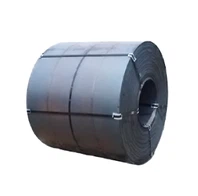
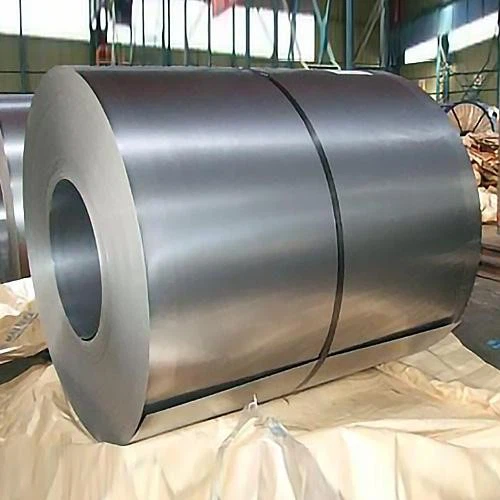
A387GR11CL2 is a chromium-molybdenum alloy steel plate used primarily in the fabrication of pressure vessels operating at elevated temperatures. This material offers good strength, toughness, and resistance to corrosion and oxidation. The "GR11" indicates the grade of the steel, which contains approximately 1.25% chromium and 0.5% molybdenum. The "CL2" refers to the class, which typically has a higher tensile strength and yield strength compared to other classes.
The Purpose of Post-Weld Heat Treatment
Welding can introduce residual stresses, hardening, and microstructural changes in the base metal and the weld zone. These factors can reduce the ductility, toughness, and corrosion resistance of the welded joint, increasing the risk of cracking and failure. Post-weld heat treatment is performed to relieve these residual stresses, improve the microstructure, and restore the mechanical properties of the welded component.
Factors Affecting PWHT Temperature Selection
1. Material Composition
The chemical composition of A387GR11CL2 plays a significant role in determining the appropriate PWHT temperature. The presence of alloying elements such as chromium and molybdenum affects the phase transformation temperatures and the kinetics of the heat treatment process. Generally, higher alloy content requires higher PWHT temperatures to achieve the desired microstructural changes and stress relief.
2. Weld Thickness
The thickness of the welded joint also influences the PWHT temperature. Thicker sections may require higher temperatures or longer holding times to ensure uniform heating and stress relief throughout the entire cross-section. In some cases, multiple PWHT cycles may be necessary for very thick welds.
3. Welding Process
Different welding processes can result in different heat input and cooling rates, which can affect the microstructure and residual stresses in the weld zone. For example, processes with high heat input, such as submerged arc welding, may require higher PWHT temperatures compared to processes with lower heat input, such as gas tungsten arc welding.
4. Service Conditions
The intended service conditions of the welded component, including temperature, pressure, and corrosive environment, should be considered when selecting the PWHT temperature. Components operating at high temperatures or in corrosive environments may require more stringent PWHT to ensure long-term performance and reliability.
Recommended PWHT Temperature Range for A387GR11CL2
Based on industry standards and best practices, the recommended PWHT temperature range for A387GR11CL2 is typically between 620°C (1150°F) and 705°C (1300°F). This temperature range allows for effective stress relief and microstructural refinement without causing excessive grain growth or other undesirable effects.
The holding time at the PWHT temperature depends on the thickness of the welded joint. As a general rule, a holding time of 1 hour per 25 mm (1 inch) of thickness is recommended, with a minimum holding time of 1 hour. After the holding period, the component should be cooled slowly at a rate of no more than 220°C (400°F) per hour until it reaches a temperature of 425°C (800°F), and then allowed to cool in air.
Case Studies and Examples
Let's consider a few case studies to illustrate the importance of selecting the right PWHT temperature for A387GR11CL2.
Case Study 1: Pressure Vessel Fabrication
A pressure vessel made of A387GR11CL2 was fabricated using submerged arc welding. The vessel had a wall thickness of 50 mm (2 inches). After welding, the vessel was subjected to PWHT at a temperature of 650°C (1200°F) for 2 hours. Non-destructive testing and mechanical property testing were performed after the PWHT, and the results showed that the residual stresses were effectively relieved, and the mechanical properties of the welded joint met the required specifications.

Case Study 2: Pipe Welding
A pipeline made of A387GR11CL2 was welded using gas tungsten arc welding. The pipe had a diameter of 200 mm (8 inches) and a wall thickness of 12 mm (0.5 inches). The PWHT was carried out at a temperature of 630°C (1165°F) for 1 hour. The welded joint was inspected using radiography and ultrasonic testing, and no defects were found. The pipeline has been in service for several years without any issues, demonstrating the effectiveness of the selected PWHT temperature.
Comparison with Other Materials
When comparing A387GR11CL2 with other materials used in pressure vessel applications, such as astm a537 16Mo3, P335GH Pressure Plate SA516GR70, and P295GH, the PWHT requirements may vary. These materials have different chemical compositions and mechanical properties, which can affect the appropriate PWHT temperature and process parameters.
For example, 16Mo3 is a low-alloy steel with a lower chromium and molybdenum content compared to A387GR11CL2. As a result, the recommended PWHT temperature for 16Mo3 is generally lower, typically in the range of 600°C (1110°F) to 680°C (1255°F). P335GH and P295GH are carbon-manganese steels, and their PWHT requirements are also different from those of A387GR11CL2.
Conclusion
Selecting the appropriate post-weld heat treatment temperature for A387GR11CL2 is a complex process that requires careful consideration of various factors, including material composition, weld thickness, welding process, and service conditions. By following industry standards and best practices, and taking into account the specific requirements of each application, it is possible to achieve effective stress relief, improve the microstructure, and ensure the long-term performance and reliability of the welded components.
If you are in the market for A387GR11CL2 or have questions about post-weld heat treatment, I encourage you to contact me for more information and to discuss your specific needs. Our team of experts is ready to assist you in selecting the right material and providing guidance on the heat treatment process to ensure the success of your project.
References
- ASTM A387/A387M - Standard Specification for Pressure Vessel Plates, Alloy Steel, Chromium - Molybdenum.
- Welding Handbook, Volume 4: Welding Processes, American Welding Society.
- ASME Boiler and Pressure Vessel Code, Section VIII, Division 1.