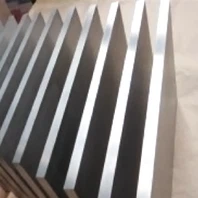
Hey there! As a supplier of Cladding Steel Plate, I've seen firsthand how important it is to keep these plates clean. Not only does proper cleaning enhance their appearance, but it also extends their lifespan and maintains their performance. In this post, I'll share some tips on how to clean cladding steel plates effectively.
First off, let's understand what cladding steel plates are. Cladding steel plates are made by bonding a layer of corrosion - resistant material (like stainless steel) to a base metal. This combination gives the plate the strength of the base metal and the corrosion - resistance of the cladding layer. Popular types of cladding steel plates include A537CL2+304L - Stainless Steel Clad Plate, A516GR70 +304L Clad Plate, and S355JR+304L.
Preparation Before Cleaning
Before you start cleaning, you need to gather the right tools and materials. You'll need a soft - bristle brush, a mild detergent, a bucket of warm water, a clean microfiber cloth, and some protective gear like gloves and safety glasses. The soft - bristle brush is crucial as it won't scratch the surface of the cladding steel plate.
It's also important to assess the condition of the plate. Look for any signs of heavy dirt, grease, or corrosion. If there are large debris on the plate, you can use a dry brush or compressed air to remove them first.
Cleaning Process
Step 1: Mix the Detergent Solution
Fill a bucket with warm water and add a small amount of mild detergent. The warm water helps to break down dirt and grease more effectively, while the mild detergent ensures that the cladding layer isn't damaged. Stir the solution gently until the detergent is fully dissolved.
Step 2: Wet the Plate
Use a clean microfiber cloth or a sponge to soak up the detergent solution. Then, gently wet the entire surface of the cladding steel plate. Make sure the plate is evenly covered with the solution, but avoid over - soaking it as excessive moisture can lead to rust on the base metal if it seeps through any small cracks in the cladding.
Step 3: Scrub the Plate
Take the soft - bristle brush and start scrubbing the plate in a circular motion. Focus on areas with stubborn dirt or stains. Be careful not to apply too much pressure, as this can scratch the cladding layer. For hard - to - reach areas, you can use a smaller brush or a toothbrush.
Step 4: Rinse the Plate
Once you've scrubbed the entire plate, use a clean bucket of fresh water to rinse off the detergent solution. You can use a hose or a sponge to apply the water. Make sure to remove all traces of the detergent, as any residue left behind can attract more dirt over time.
Step 5: Dry the Plate
After rinsing, use a clean microfiber cloth to dry the plate thoroughly. Drying is essential to prevent water spots and rust. Wipe the plate in the direction of the grain of the cladding material for a more polished look.
Dealing with Special Situations
Grease and Oil Stains
If the cladding steel plate has grease or oil stains, you may need to use a degreaser. Choose a degreaser that is suitable for use on stainless steel cladding. Apply the degreaser according to the manufacturer's instructions, usually by spraying it on the stain and letting it sit for a few minutes. Then, scrub the area with the soft - bristle brush and follow the regular cleaning steps.
Corrosion
In case of minor corrosion, you can use a stainless - steel cleaner or a mixture of vinegar and water. Apply the cleaner or the vinegar - water solution to the corroded area and let it sit for a while. Then, scrub gently with the brush. For more severe corrosion, it's best to consult a professional, as it may indicate a problem with the cladding layer.
Maintenance Tips
Regular cleaning is key to keeping your cladding steel plates in good condition. Try to clean the plates at least once every few months, depending on the environment they are in. If the plates are exposed to harsh weather conditions or industrial pollutants, more frequent cleaning may be required.
Also, avoid using abrasive cleaners, steel wool, or harsh chemicals on the cladding steel plates. These can damage the cladding layer and reduce its corrosion - resistance.
Conclusion
Cleaning cladding steel plates isn't as complicated as it may seem. By following these simple steps and using the right tools and materials, you can keep your plates looking great and performing well for a long time.
If you're in the market for high - quality cladding steel plates, we're here to help. Our A537CL2+304L - Stainless Steel Clad Plate, A516GR70 +304L Clad Plate, and S355JR+304L are all top - notch products. Feel free to reach out to us for more information or to start a purchase negotiation. We're looking forward to working with you!
References
- "Stainless Steel Handbook" by ASM International
- Manufacturer's guidelines for cladding steel plates.