Hey there! As a supplier of A387GR11CL2, I've been getting a lot of questions lately about how to optimize the rolling parameters for this particular steel grade. So, I thought I'd share some of my insights and experiences on this topic.
First off, let's talk a bit about A387GR11CL2. It's a chromium-molybdenum alloy steel plate that's commonly used in pressure vessels and boilers. It offers excellent strength, toughness, and resistance to corrosion and oxidation. But to get the most out of this steel, it's crucial to optimize the rolling parameters during the manufacturing process.
Understanding the Basics of Rolling Parameters
Rolling parameters play a vital role in determining the final properties of the A387GR11CL2 steel plate. Some of the key parameters include rolling temperature, rolling speed, reduction ratio, and the number of passes.
Rolling Temperature
The rolling temperature has a significant impact on the microstructure and mechanical properties of the steel. Generally, there are two main types of rolling: hot rolling and cold rolling. For A387GR11CL2, hot rolling is the preferred method. The optimal hot rolling temperature range for this steel is typically between 900°C and 1100°C. At this temperature, the steel is more malleable, which allows for easier deformation and better control over the grain structure.
If the rolling temperature is too high, the grains may grow too large, leading to a decrease in strength and toughness. On the other hand, if the temperature is too low, the steel may become too hard and brittle, making it difficult to roll and increasing the risk of cracking.
Rolling Speed
The rolling speed also affects the quality of the steel plate. A higher rolling speed can increase the productivity, but it may also lead to uneven deformation and surface defects. A lower rolling speed, on the other hand, allows for better control over the rolling process and can result in a more uniform microstructure. For A387GR11CL2, a moderate rolling speed is usually recommended to ensure both quality and efficiency.
Reduction Ratio
The reduction ratio refers to the amount of thickness reduction during each pass of rolling. A higher reduction ratio can refine the grain structure and improve the mechanical properties of the steel. However, if the reduction ratio is too high, it may cause excessive stress and cracking in the steel. Therefore, it's important to find the right balance. For A387GR11CL2, a reduction ratio of around 20% to 30% per pass is often considered optimal.
Number of Passes
The number of passes during rolling also influences the final properties of the steel plate. Multiple passes can help to achieve a more uniform thickness and better mechanical properties. However, too many passes can increase the production time and cost. Generally, 3 to 5 passes are sufficient for A387GR11CL2, depending on the initial and final thickness requirements.
Factors to Consider When Optimizing Rolling Parameters
In addition to the basic rolling parameters, there are several other factors that need to be considered when optimizing the rolling process for A387GR11CL2.
Chemical Composition
The chemical composition of the steel can affect its rolling behavior. A387GR11CL2 contains specific amounts of chromium, molybdenum, and other alloying elements. These elements can influence the phase transformation and mechanical properties of the steel during rolling. For example, chromium can improve the corrosion resistance, while molybdenum can enhance the strength and toughness. Therefore, it's important to ensure that the chemical composition of the steel is within the specified range.
Initial Microstructure
The initial microstructure of the steel before rolling also plays a role in the optimization of rolling parameters. If the initial microstructure is coarse or uneven, it may require more careful control of the rolling parameters to achieve the desired final properties. For example, if the steel has a large grain size, a lower rolling temperature and a higher reduction ratio may be needed to refine the grains.

Equipment and Process Conditions
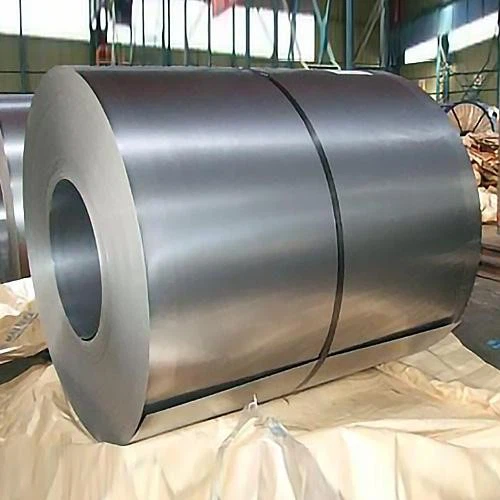
The type of rolling equipment and the process conditions can also impact the rolling parameters. Different rolling mills may have different capabilities and limitations. For example, a modern rolling mill with advanced control systems can provide more precise control over the rolling temperature, speed, and reduction ratio. Additionally, the lubrication and cooling conditions during rolling can affect the surface quality and mechanical properties of the steel plate.
Tips for Optimizing Rolling Parameters
Based on my experience as a supplier of A387GR11CL2, here are some tips for optimizing the rolling parameters:
Conduct Tests and Experiments
Before starting large-scale production, it's a good idea to conduct small-scale tests and experiments to determine the optimal rolling parameters. This can help to identify any potential problems and make adjustments accordingly. For example, you can test different rolling temperatures, speeds, and reduction ratios to see how they affect the mechanical properties and surface quality of the steel plate.
Monitor and Control the Process
During the rolling process, it's important to monitor and control the key parameters in real-time. This can be done using sensors and monitoring systems. By continuously monitoring the rolling temperature, speed, and reduction ratio, you can ensure that the process is running smoothly and make any necessary adjustments to maintain the quality of the steel plate.
Collaborate with Experts
If you're not sure about how to optimize the rolling parameters for A387GR11CL2, don't hesitate to collaborate with experts in the field. They can provide valuable insights and advice based on their knowledge and experience. You can also refer to industry standards and best practices to ensure that you're following the right approach.
Comparison with Other Steel Grades
It's worth noting that the rolling parameters for A387GR11CL2 may be different from those of other steel grades. For example, SA387GR11 A387 steel plate has similar properties to A387GR11CL2, but the specific rolling parameters may vary depending on the exact chemical composition and application requirements. Another steel grade, P295GH, is often used in pressure vessels, but its rolling behavior may be different due to its different chemical composition. Similarly, astm a537 16Mo3 has its own unique characteristics and rolling requirements.
Conclusion
Optimizing the rolling parameters for A387GR11CL2 is a complex but crucial process. By understanding the basic rolling parameters, considering the various factors that affect the rolling process, and following the tips mentioned above, you can achieve the best possible quality and performance of the steel plate.
If you're in the market for high-quality A387GR11CL2 steel plates, don't hesitate to get in touch with us. We're here to provide you with the best products and services. Whether you have questions about the rolling parameters or need help with your specific application, our team of experts is ready to assist you. Let's start a conversation and see how we can work together to meet your needs.
References
- ASME Boiler and Pressure Vessel Code
- ASTM International Standards for Steel Plates
- Industry research papers on steel rolling processes