Stress corrosion cracking (SCC) is a complex and critical phenomenon that can significantly impact the performance and integrity of ASTM A537CL2 steel. As a leading supplier of ASTM A537CL2, I have witnessed firsthand the importance of understanding the effects of SCC on this material. In this blog, I will delve into the various aspects of SCC and its implications for ASTM A537CL2, providing valuable insights for engineers, manufacturers, and anyone involved in the use of this steel.
Understanding ASTM A537CL2
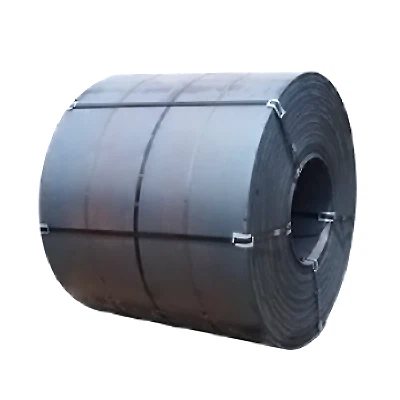
ASTM A537CL2 is a high - strength, quenched and tempered carbon steel plate used primarily in pressure vessel applications. It offers excellent mechanical properties, including high yield and tensile strength, good notch toughness, and weldability. These properties make it a popular choice for industries such as oil and gas, chemical processing, and power generation, where pressure vessels are subjected to high - pressure and harsh environmental conditions.
What is Stress Corrosion Cracking?
Stress corrosion cracking is a form of degradation that occurs when a material is exposed to a combination of tensile stress and a corrosive environment. The stress can be either externally applied, such as the pressure inside a vessel, or internally residual, from processes like welding or cold working. The corrosive environment can vary widely, including chemicals, salts, and even water under certain conditions.
SCC is characterized by the formation and propagation of cracks that can lead to sudden and catastrophic failure of the material. Unlike general corrosion, which occurs uniformly across the surface, SCC cracks can penetrate deeply into the material, often without significant surface corrosion being visible.
Effects of Stress Corrosion Cracking on ASTM A537CL2
Mechanical Property Degradation
One of the most significant effects of SCC on ASTM A537CL2 is the degradation of its mechanical properties. As cracks form and propagate, the cross - sectional area of the material available to carry load decreases. This reduction in cross - sectional area leads to an increase in stress concentration at the crack tip. Over time, the material's ability to withstand the applied load is compromised, resulting in a decrease in yield strength, ultimate tensile strength, and ductility.
For example, in a pressure vessel made of ASTM A537CL2, SCC can cause the vessel to fail at a pressure lower than its design pressure. This is particularly dangerous in applications where the consequences of a pressure vessel failure can be severe, such as in the storage of hazardous chemicals or high - pressure steam.
Impact on Fatigue Life
SCC can also have a detrimental effect on the fatigue life of ASTM A537CL2. Fatigue is the process by which a material fails under repeated or fluctuating loads. The presence of SCC cracks acts as stress raisers, accelerating the initiation and propagation of fatigue cracks.
In pressure vessels, the cyclic loading caused by pressure changes during normal operation can interact with SCC cracks. As a result, the fatigue life of the vessel is significantly reduced, increasing the likelihood of premature failure. This requires more frequent inspections and maintenance to ensure the safety and reliability of the equipment.
Corrosion Product Formation
During SCC, corrosion products are formed at the crack tip. These products can have different properties compared to the base metal. In some cases, the corrosion products can act as a barrier, slowing down the crack propagation. However, in most cases, the corrosion products are brittle and can spall off, exposing fresh metal to the corrosive environment and promoting further crack growth.
The presence of corrosion products can also affect the integrity of the welds in ASTM A537CL2 structures. Welds are often areas of high stress concentration and are more susceptible to SCC. The corrosion products at the weld interface can weaken the bond between the weld and the base metal, leading to weld failure.
Leakage and Contamination
As SCC cracks penetrate through the wall thickness of an ASTM A537CL2 pressure vessel, they can cause leakage. Leakage can lead to the loss of valuable products, such as oil or gas, and can also pose a safety hazard. In addition, the leaked substances can contaminate the surrounding environment, causing environmental damage and potential legal issues.

Factors Influencing SCC in ASTM A537CL2
Environmental Factors
The composition of the environment plays a crucial role in SCC. For ASTM A537CL2, environments containing chloride ions, such as seawater or some chemical solutions, are particularly aggressive. Chloride ions can break down the protective oxide layer on the steel surface, allowing corrosion to occur more easily.
The pH of the environment also affects SCC. In general, acidic or alkaline environments can accelerate the corrosion process. High temperatures can also increase the rate of SCC, as they can enhance the chemical reactions between the steel and the corrosive medium.
Stress Factors
The magnitude and type of stress are important factors in SCC. Higher tensile stresses increase the likelihood and rate of crack propagation. Residual stresses from manufacturing processes, such as welding or cold forming, can be significant and can contribute to SCC. These residual stresses can be relieved through heat treatment processes, such as stress relieving annealing.
Material Factors
The microstructure of ASTM A537CL2 can influence its susceptibility to SCC. A fine - grained microstructure generally provides better resistance to SCC compared to a coarse - grained one. The presence of impurities, such as sulfur or phosphorus, can also increase the susceptibility of the material to SCC.
Preventive Measures
To mitigate the effects of SCC on ASTM A537CL2, several preventive measures can be taken.
Material Selection
When selecting ASTM A537CL2 for a specific application, it is important to consider the environmental conditions. In highly corrosive environments, alternative materials or surface treatments may be necessary. For example, using corrosion - resistant alloys or applying protective coatings can provide an additional layer of protection against SCC.
Stress Management
Reducing the applied and residual stresses in the material is crucial. This can be achieved through proper design, such as avoiding sharp corners and notches that can cause stress concentration. Heat treatment processes, such as stress relieving, can be used to reduce residual stresses in welded structures.
Environmental Control
Controlling the environment can also help prevent SCC. This can involve removing or reducing the concentration of corrosive agents, such as chloride ions, from the environment. Maintaining a proper pH level and temperature can also slow down the corrosion process.
Conclusion
Stress corrosion cracking is a serious issue that can have significant effects on ASTM A537CL2. As a supplier of ASTM A537CL2, I understand the importance of providing high - quality materials and offering technical support to our customers. By understanding the factors that influence SCC and implementing appropriate preventive measures, we can ensure the long - term performance and safety of ASTM A537CL2 in various applications.
If you are in need of ASTM A537CL2 for your projects, or if you have any questions about stress corrosion cracking or other aspects of this material, I encourage you to reach out to me for more information and to discuss your specific requirements. We also supply other related materials such as [P335GH](/pressure - vessel - plate/p335gh - factory.html), [SA285GrA](/pressure - vessel - plate/sa285gra.html), and [SA285GrC A387GR11CL2](/pressure - vessel - plate/sa285grc.html).
References
- ASTM International. "ASTM A537/A537M - 19 Standard Specification for Pressure Vessel Plates, Heat - Treated, Carbon - Manganese - Silicon Steel." West Conshohocken, PA: ASTM International, 2019.
- Roberge, P. R. "Corrosion Engineering: Principles and Practice." McGraw - Hill, 2006.
- Fontana, M. G. "Corrosion Engineering." McGraw - Hill, 1986.