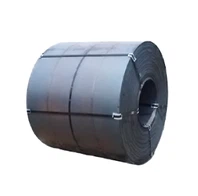
Hey there! I'm an ASME SA516 supplier, and today I wanna talk about how to measure the hardness of ASME SA516. ASME SA516 is a widely used carbon steel plate for pressure vessels in moderate and lower temperature service. Measuring its hardness is crucial as it gives us an idea about the material's strength, wear resistance, and overall quality.
Why Measure the Hardness of ASME SA516?
Before we dive into the measurement methods, let's quickly go over why it's so important to measure the hardness of ASME SA516. Hardness is a key property that can affect the performance of the steel in different applications. For instance, if the steel is too soft, it might not be able to withstand the pressure in a pressure vessel. On the other hand, if it's too hard, it could become brittle and prone to cracking. So, getting an accurate hardness measurement helps us ensure that the steel meets the required standards and performs well in its intended use.
Common Methods for Measuring Hardness
There are several methods available for measuring the hardness of ASME SA516, and each has its own advantages and disadvantages. Let's take a look at some of the most commonly used ones.
Brinell Hardness Test
The Brinell hardness test is one of the oldest and most widely used methods for measuring the hardness of metals. In this test, a hard ball (usually made of tungsten carbide) is pressed into the surface of the steel under a specific load for a set period of time. The diameter of the indentation left on the surface is then measured, and the Brinell hardness number (BHN) is calculated based on the load and the diameter of the indentation.
The Brinell test is great for measuring the hardness of large and rough specimens. It's also relatively easy to perform and gives a good indication of the overall hardness of the material. However, it can be a bit time - consuming, and the indentation it leaves is relatively large, which might not be suitable for some applications.
Rockwell Hardness Test
The Rockwell hardness test is another popular method. In this test, a small indenter (either a diamond cone or a steel ball) is first applied to the surface of the steel with a minor load to establish a reference point. Then, a major load is applied, and the additional depth of penetration of the indenter is measured. The Rockwell hardness number is determined based on this additional depth.
The Rockwell test is quick and easy to perform, and it can be used on a wide range of materials. It also leaves a relatively small indentation, which is an advantage in some cases. However, it might not be as accurate as the Brinell test for measuring the hardness of very hard or very soft materials.
Vickers Hardness Test
The Vickers hardness test uses a square - based diamond pyramid indenter. A load is applied to the indenter, which is pressed into the surface of the steel. The diagonal lengths of the resulting square indentation are measured, and the Vickers hardness number (HV) is calculated.
The Vickers test is very accurate and can be used on a variety of materials, including thin and small specimens. It's also great for measuring the hardness of materials with a non - uniform structure. However, it can be more time - consuming and requires more precise measurement equipment compared to the Rockwell test.
Factors Affecting Hardness Measurement
When measuring the hardness of ASME SA516, there are several factors that can affect the results. Here are some of the main ones.
Surface Finish
The surface finish of the steel can have a significant impact on the hardness measurement. A rough surface might cause the indenter to penetrate unevenly, leading to inaccurate results. So, it's important to make sure the surface of the steel is smooth and free of any defects before performing the hardness test.
Specimen Thickness
The thickness of the specimen can also affect the hardness measurement. If the specimen is too thin, the indenter might penetrate through to the other side, which will give an incorrect hardness value. As a general rule, the specimen should be at least 10 times the depth of the indentation for accurate results.
Heat Treatment
The heat treatment process that the ASME SA516 has undergone can greatly influence its hardness. For example, quenching and tempering can increase the hardness of the steel, while annealing can make it softer. So, it's important to know the heat treatment history of the steel when interpreting the hardness measurement results.
Comparison with Other Steel Grades
ASME SA516 is just one of many steel grades available in the market. Let's briefly compare it with some other popular steel grades like S355JO, NM450 Abrasion Resistant Wear Plates, and A633GRD Low Alloy Steel Plate.
S355JO is a low - alloy high - strength structural steel. It generally has a different chemical composition and mechanical properties compared to ASME SA516. The hardness of S355JO can vary depending on its heat treatment and application, but it's often used in structural applications where high strength is required.
NM450 Abrasion Resistant Wear Plates are designed to resist wear and abrasion. These plates usually have a higher hardness compared to ASME SA516, as they need to withstand the impact and friction in abrasive environments.
A633GRD Low Alloy Steel Plate is similar to ASME SA516 in that it's also used for pressure vessels and structural applications. However, the chemical composition and heat treatment of A633GRD might be different, which can result in different hardness values.
Ensuring Accurate Hardness Measurement
To ensure accurate hardness measurement of ASME SA516, here are some best practices.
Use Calibrated Equipment
Make sure the hardness testing equipment is properly calibrated. Regular calibration helps to ensure that the measurements are accurate and reliable. You can have the equipment calibrated by a professional calibration service at regular intervals.
Take Multiple Measurements
Taking multiple hardness measurements at different locations on the specimen can help to get a more accurate picture of the material's hardness. This is especially important if the steel has a non - uniform structure. Calculate the average of the multiple measurements to get a representative hardness value.
Follow Standard Procedures
Always follow the standard procedures for the specific hardness test method you're using. For example, make sure to apply the correct load for the correct amount of time in the Brinell or Rockwell test. Adhering to the standard procedures helps to ensure consistency and accuracy in the measurements.

Conclusion
Measuring the hardness of ASME SA516 is an important part of ensuring its quality and performance. By choosing the right hardness test method, considering the factors that can affect the measurement, and following best practices for accurate measurement, we can get reliable hardness values. Whether you're using ASME SA516 for pressure vessels or other applications, accurate hardness measurement will help you make sure the steel meets the required standards.
If you're in the market for high - quality ASME SA516 or have any questions about hardness measurement or other properties of the steel, don't hesitate to reach out. We're here to provide you with the best products and technical support. Let's start a conversation about your procurement needs and see how we can work together to meet your requirements.
References
- ASTM E10 - 18: Standard Test Method for Brinell Hardness of Metallic Materials
- ASTM E18 - 20: Standard Test Methods for Rockwell Hardness and Rockwell Superficial Hardness of Metallic Materials
- ASTM E92 - 17: Standard Test Method for Vickers Hardness of Metallic Materials