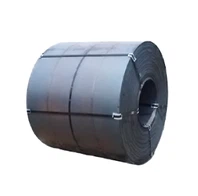
Hey there! I'm a heavy plate supplier, and I've seen firsthand the importance of recycling heavy plates effectively. Not only does it help the environment, but it can also save you money in the long run. In this blog post, I'm going to share some tips on how to recycle heavy plates effectively, based on my experience in the industry.
Why Recycling Heavy Plates is Important
Before we dive into the tips, let's talk about why recycling heavy plates is so important. Heavy plates are typically made from steel, which is one of the most recycled materials in the world. Recycling steel reduces the need for virgin materials, which in turn conserves natural resources and reduces energy consumption. It also helps to reduce greenhouse gas emissions and air pollution associated with steel production.
In addition to the environmental benefits, recycling heavy plates can also save you money. Scrap steel has value, and by recycling your heavy plates, you can earn money from selling the scrap. This can offset the cost of purchasing new heavy plates in the future.
Tips for Recycling Heavy Plates Effectively
Now that we understand the importance of recycling heavy plates, let's talk about some tips on how to do it effectively.
1. Sort Your Heavy Plates
The first step in recycling heavy plates is to sort them by type and grade. Different types of steel have different properties and values, so it's important to separate them before recycling. For example, you might have S355JO plates, P265GH Plate A516 Gr 70, or A573GR58 Carbon Steel Plate A283GRC. By sorting your plates, you can ensure that you get the best price for your scrap.
2. Clean Your Heavy Plates
Before recycling your heavy plates, it's important to clean them to remove any dirt, grease, or other contaminants. This will make the recycling process more efficient and ensure that the scrap steel is of high quality. You can use a wire brush, sandblaster, or other cleaning methods to remove the contaminants.
3. Cut Your Heavy Plates
If your heavy plates are too large to be recycled as a whole, you may need to cut them into smaller pieces. This can make them easier to handle and transport. You can use a saw, torch, or other cutting tools to cut the plates. Make sure to follow all safety precautions when cutting the plates.
4. Find a Reputable Recycling Facility
Once you have sorted, cleaned, and cut your heavy plates, it's time to find a reputable recycling facility. Look for a facility that has experience recycling heavy plates and offers competitive prices. You can ask for recommendations from other businesses in your industry or search online for recycling facilities in your area.
5. Negotiate the Price
When you take your heavy plates to the recycling facility, don't be afraid to negotiate the price. The price of scrap steel can fluctuate depending on market conditions, so it's important to get the best price possible. You can compare prices from different recycling facilities and use this information to negotiate a better deal.
6. Keep Records
Finally, it's important to keep records of your recycling activities. This can help you track your progress, monitor your costs, and ensure that you are meeting your environmental goals. You can keep records of the amount of heavy plates you recycle, the price you receive, and the recycling facility you use.
Working with a Heavy Plate Supplier for Recycling
As a heavy plate supplier, I can offer some additional insights on how to work with a supplier for recycling. Many heavy plate suppliers, including myself, offer recycling services or can help you find a reputable recycling facility. We can also provide you with information on the types of heavy plates that are recyclable and the best practices for recycling them.
If you are a regular customer, we may be able to offer you a discount on new heavy plates if you recycle your old ones with us. This can be a win-win situation for both you and the environment.
Conclusion
Recycling heavy plates effectively is an important part of sustainable business practices. By following the tips outlined in this blog post, you can ensure that your heavy plates are recycled in an efficient and environmentally friendly manner. Remember to sort your plates, clean them, cut them if necessary, find a reputable recycling facility, negotiate the price, and keep records of your activities.
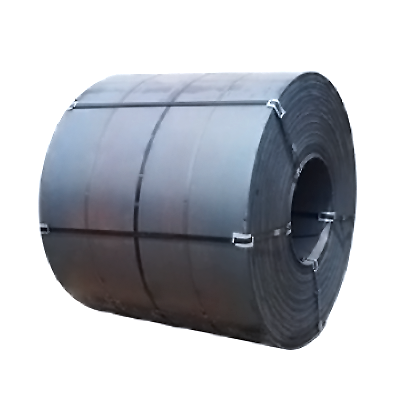

If you have any questions or need more information on recycling heavy plates, please don't hesitate to contact me. I'm here to help you make the most of your heavy plate recycling efforts. Whether you're looking to purchase new heavy plates or recycle your old ones, I'm your go-to source. Let's work together to create a more sustainable future. If you're interested in purchasing heavy plates or discussing recycling options further, feel free to reach out for a friendly chat and potential procurement discussions.
References
- American Iron and Steel Institute. (n.d.). Steel Recycling. Retrieved from [Website URL]
- Environmental Protection Agency. (n.d.). Recycling Basics. Retrieved from [Website URL]
- Institute of Scrap Recycling Industries. (n.d.). Recycling Metals. Retrieved from [Website URL]