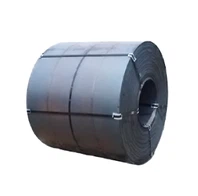
ASTM A537CL2 is a pressure vessel steel plate known for its excellent mechanical properties and weldability, which is widely used in the construction of pressure vessels, storage tanks, and other equipment operating under high pressure and temperature conditions. As a supplier of ASTM A537CL2, I understand the significance of ensuring high casting quality. In this blog, I will share some practical strategies and techniques to improve the casting quality of ASTM A537CL2.
Understanding the Characteristics of ASTM A537CL2
Before delving into the methods of improving casting quality, it is essential to have a clear understanding of the characteristics of ASTM A537CL2. This steel grade is a heat-treated carbon-manganese-silicon steel, with strict requirements for chemical composition and mechanical properties. It typically has a yield strength of not less than 290 MPa, a tensile strength of 485 - 620 MPa, and good impact toughness at low temperatures. The chemical composition mainly includes carbon, manganese, silicon, sulfur, phosphorus, and small amounts of other alloying elements, which need to be precisely controlled during the casting process to ensure the desired properties.
Control of Raw Materials
The quality of raw materials is the foundation for ensuring high casting quality. As a supplier, we source high - quality scrap steel and alloying elements from reliable suppliers. The scrap steel should be clean, free from impurities such as rust, oil, and non - metallic inclusions. Before use, the scrap steel is carefully sorted and inspected to remove any contaminants.
Alloying elements, such as manganese, silicon, and others, play a crucial role in adjusting the chemical composition of ASTM A537CL2. We strictly control the purity and particle size of these alloying elements. For example, manganese is usually added in the form of ferromanganese, and its purity should be above a certain standard to ensure accurate adjustment of the manganese content in the steel.


Melting Process Optimization
The melting process is a critical stage in the casting of ASTM A537CL2. We use electric arc furnaces or basic oxygen furnaces for melting, depending on the production scale and requirements. During the melting process, the following aspects need to be carefully controlled:
Temperature Control
Maintaining the appropriate melting temperature is essential. Too low a temperature may result in incomplete melting of the raw materials and uneven distribution of alloying elements, while too high a temperature can cause excessive oxidation and evaporation of some elements. We use advanced temperature measurement devices to monitor the temperature in real - time and adjust the power input of the furnace accordingly. For ASTM A537CL2, the melting temperature is usually controlled within a specific range to ensure the proper melting and mixing of all components.
Deoxidation and Desulfurization
Deoxidation and desulfurization are important steps to improve the purity of the molten steel. We use appropriate deoxidizers, such as aluminum, silicon - manganese alloy, etc., to remove oxygen from the molten steel. At the same time, desulfurizing agents are added to reduce the sulfur content. The amount and addition sequence of these agents need to be carefully determined based on the initial composition of the molten steel. By effectively reducing the oxygen and sulfur content, we can improve the ductility and toughness of the final casting.
Molding and Casting
Molding Design
The design of the mold has a significant impact on the casting quality. We use computer - aided design (CAD) and simulation software to optimize the mold structure. The mold should have good heat - dissipation performance to ensure uniform cooling of the molten steel during the casting process. It should also be designed to minimize the formation of shrinkage cavities and porosity. For example, proper gating and riser systems are designed to ensure smooth filling of the mold and provide sufficient molten steel to compensate for shrinkage during solidification.
Casting Speed and Pressure
Controlling the casting speed and pressure is crucial for obtaining high - quality castings. A too - high casting speed may cause turbulence in the molten steel, leading to the entrapment of air and inclusions. On the other hand, a too - low casting speed may result in premature solidification and incomplete filling of the mold. We adjust the casting speed according to the size and complexity of the casting. In some cases, we also use appropriate casting pressures to ensure better filling and compaction of the molten steel in the mold.
Heat Treatment
Heat treatment is an important process to improve the mechanical properties of ASTM A537CL2 castings. After casting, the castings are usually subjected to normalizing and tempering treatments.
Normalizing
Normalizing is carried out by heating the casting to a specific temperature above the critical point and then air - cooling. This process refines the grain structure of the steel, improves its strength and toughness, and eliminates internal stresses caused by casting. The normalizing temperature and holding time are carefully determined based on the size and composition of the casting.
Tempering
Tempering is performed after normalizing to further improve the ductility and toughness of the casting. The casting is heated to a lower temperature and then slowly cooled. This process reduces the internal stresses and improves the impact resistance of the steel. The tempering parameters, such as temperature and time, are adjusted according to the specific requirements of the final application.
Quality Inspection
Quality inspection is an indispensable part of ensuring high casting quality. We use a variety of non - destructive testing methods, such as ultrasonic testing, magnetic particle testing, and radiographic testing, to detect internal defects such as cracks, porosity, and inclusions in the castings. In addition, we also conduct mechanical property tests, including tensile tests, impact tests, and hardness tests, to ensure that the castings meet the requirements of ASTM A537CL2.
Comparison with Other Steel Grades
ASTM A537CL2 is often compared with other steel grades used in pressure vessel applications, such as P295GH, SA516GR70, and SA285GrC A387GR11CL2. Each steel grade has its own characteristics. For example, P295GH is a European standard pressure vessel steel with relatively good weldability and toughness at normal temperatures. SA516GR70 is a common carbon steel for pressure vessels, known for its good impact resistance. SA285GrC A387GR11CL2 has better high - temperature strength and corrosion resistance. Compared with these steel grades, ASTM A537CL2 offers a good balance of strength, toughness, and weldability, especially suitable for applications requiring high - quality pressure vessels.
Conclusion
Improving the casting quality of ASTM A537CL2 requires a comprehensive approach, from raw material control, melting process optimization, molding and casting, heat treatment, to quality inspection. As a supplier, we are committed to continuously improving our production processes and quality control systems to provide high - quality ASTM A537CL2 castings to our customers. If you are interested in purchasing ASTM A537CL2 or have any questions about our products, please feel free to contact us for procurement discussions.
References
- ASTM International. ASTM A537/A537M - 19 Standard Specification for Pressure Vessel Plates, Heat - Treated, Carbon - Manganese - Silicon Steel.
- ASME Boiler and Pressure Vessel Code, Section II, Part A: Ferrous Material Specifications.
- Various metallurgical textbooks and research papers on steel casting and heat treatment.