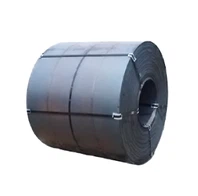
Abrasion plates are crucial components in various industries, including mining, construction, and manufacturing, where they are subjected to severe wear and tear. As a leading abrasion plate supplier, we understand the importance of enhancing the abrasion resistance of these plates to ensure long - term performance and cost - effectiveness. In this blog, we will explore several effective strategies to improve the abrasion resistance of an abrasion plate.
Material Selection
The first step in improving abrasion resistance is choosing the right material. Different materials have different inherent properties that affect their ability to withstand abrasion.
High - Strength Steels
High - strength steels are a popular choice for abrasion plates. For instance, NM500 Wear Steel Plate is well - known for its excellent abrasion resistance. It has a high hardness level, which allows it to resist the cutting and plowing actions of abrasive particles. The chemical composition of NM500, with elements like carbon, manganese, and chromium, contributes to its hardness and toughness. Carbon increases the hardness of the steel, while manganese improves its strength and ductility. Chromium forms carbides, which enhance the wear resistance of the steel.
Another option is NM360 Abrasion Resistant Plate. NM360 has a relatively lower hardness compared to NM500 but still offers good abrasion resistance. It is more suitable for applications where the abrasion is not extremely severe but requires a balance between cost and performance. The lower hardness also makes it more weldable, which can be an advantage in some fabrication processes.


NM550 is a high - end abrasion - resistant steel plate. With a higher hardness than NM500, NM550 is designed for the most demanding abrasion applications. It can withstand heavy - duty wear in industries such as mining, where the abrasive forces are extremely high.
Non - metallic Materials
In some cases, non - metallic materials can also be used to improve abrasion resistance. Ceramics, for example, have excellent hardness and wear resistance. They can be used as a coating on the surface of abrasion plates or as inserts in the plate structure. However, ceramics are brittle, and their use may be limited by their poor impact resistance. Polymers, on the other hand, are more flexible and have good chemical resistance. They can be used in applications where the abrasion is mainly caused by sliding contact and where chemical resistance is also required.
Heat Treatment
Heat treatment is a powerful tool to enhance the abrasion resistance of abrasion plates. It can modify the microstructure of the material, thereby improving its hardness, strength, and toughness.
Quenching and Tempering
Quenching and tempering are common heat - treatment processes for steel abrasion plates. Quenching involves rapidly cooling the heated steel in a quenching medium, such as oil or water. This process forms a hard martensitic structure in the steel, which significantly increases its hardness. However, martensite is brittle, so tempering is usually carried out after quenching. Tempering involves reheating the quenched steel to a lower temperature and holding it for a certain period. This process reduces the brittleness of the martensite and improves the toughness of the steel while maintaining a relatively high hardness.
The parameters of quenching and tempering, such as the quenching temperature, cooling rate, and tempering temperature, need to be carefully controlled. For example, a higher quenching temperature may result in a coarser martensitic structure, which can reduce the toughness of the steel. A proper tempering temperature can optimize the balance between hardness and toughness, leading to improved abrasion resistance.
Case Hardening
Case hardening is another heat - treatment method that can be used to improve the abrasion resistance of the surface of the plate while maintaining the toughness of the core. Processes like carburizing, nitriding, and carbonitriding fall into this category. Carburizing involves introducing carbon into the surface layer of the steel by heating it in a carbon - rich environment. The carbon diffuses into the steel, forming a high - carbon surface layer. After carburizing, the plate is quenched and tempered to harden the surface layer. Nitriding, on the other hand, introduces nitrogen into the surface of the steel, forming hard nitrides. Carbonitriding combines the effects of carburizing and nitriding, resulting in a surface layer with both high hardness and good wear resistance.
Surface Modification
Surface modification techniques can be used to create a protective layer on the surface of the abrasion plate, which can improve its abrasion resistance.
Coating
Coating is a widely used surface - modification method. There are various types of coatings available, including metallic coatings, ceramic coatings, and polymer coatings. Metallic coatings, such as chromium plating, can provide a hard and smooth surface that resists abrasion. Chromium has a high hardness and good corrosion resistance, which can protect the underlying plate from both abrasion and corrosion.
Ceramic coatings, as mentioned earlier, have excellent hardness and wear resistance. They can be applied using techniques such as thermal spraying or chemical vapor deposition. Thermal spraying involves heating the ceramic material to a molten or semi - molten state and spraying it onto the surface of the plate. Chemical vapor deposition creates a ceramic coating by reacting gaseous precursors on the surface of the plate.
Polymer coatings can provide a lubricious and wear - resistant surface. They can reduce the friction between the plate and the abrasive particles, thereby reducing the wear rate. Polymer coatings are also resistant to chemicals and can be used in applications where chemical corrosion is a concern.
Surface Texturing
Surface texturing is a relatively new approach to improving abrasion resistance. By creating micro - or nano - scale patterns on the surface of the plate, the contact area between the plate and the abrasive particles can be reduced, and the wear mechanism can be changed. For example, a textured surface can trap abrasive particles, preventing them from sliding freely on the surface and reducing the cutting and plowing actions. Surface texturing can be achieved using techniques such as laser machining, etching, or mechanical machining.
Design Optimization
The design of the abrasion plate can also have a significant impact on its abrasion resistance.
Geometry Design
The geometry of the plate can affect the distribution of stress and the flow of abrasive particles. For example, a plate with a curved or angled surface can change the direction of the abrasive particles, reducing the direct impact on the surface. A well - designed edge profile can also prevent the formation of stress concentrations, which can lead to premature wear.
Structural Design
In some cases, a composite or layered structure can be used to improve the abrasion resistance of the plate. For example, a plate with a hard surface layer and a tough core can combine the advantages of high wear resistance on the surface and good impact resistance in the core. Another option is to use a sandwich structure, where a layer of a soft and energy - absorbing material is sandwiched between two hard layers. This structure can absorb the energy of the abrasive particles and reduce the wear on the hard layers.
As an abrasion plate supplier, we are committed to providing high - quality products and solutions to our customers. If you are looking for ways to improve the abrasion resistance of your abrasion plates or need to purchase high - performance abrasion plates, we invite you to contact us for a detailed discussion. Our team of experts can help you select the most suitable material, heat - treatment process, and surface - modification technique based on your specific application requirements.
References
- ASM Handbook Volume 3: Alloy Phase Diagrams. ASM International.
- Callister, W. D., & Rethwisch, D. G. (2011). Materials Science and Engineering: An Introduction. Wiley.
- Totten, G. E., & MacKenzie, D. S. (2004). Handbook of Aluminum Vol. 2: Physical Metallurgy and Processes. CRC Press.