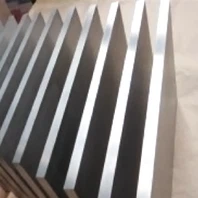
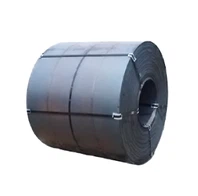
Hey there! I'm a supplier of pipe line plate X60, and today I'm gonna talk about the inspection methods used for this awesome product.
Pipe line plate X60 is a high - grade steel plate commonly used in the construction of oil and gas pipelines. It needs to meet strict quality requirements to ensure the safety and durability of the pipelines. So, what are the inspection methods we use? Let's dive in.
Visual Inspection
The first and most basic inspection method is visual inspection. This is a simple yet crucial step. We carefully look at the surface of the pipe line plate X60. We check for any obvious defects like cracks, scratches, or uneven surfaces. Cracks can be a big no - no as they can weaken the plate and lead to pipeline failures in the long run. Scratches might not seem like a big deal at first, but they can also act as starting points for corrosion.
When we're doing visual inspection, we use good lighting conditions. Sometimes, we even use magnifying glasses to spot small defects that are hard to see with the naked eye. It's like looking for hidden treasures, but instead, we're looking for flaws. This method is quick and easy, but it's also limited. It can only detect surface - level issues, and we need more advanced methods to check what's going on inside the plate.
Ultrasonic Testing
Ultrasonic testing is one of the most important non - destructive testing methods for pipe line plate X60. In this method, we send high - frequency sound waves into the plate. These sound waves travel through the material, and when they encounter a defect like a void or an internal crack, they get reflected.
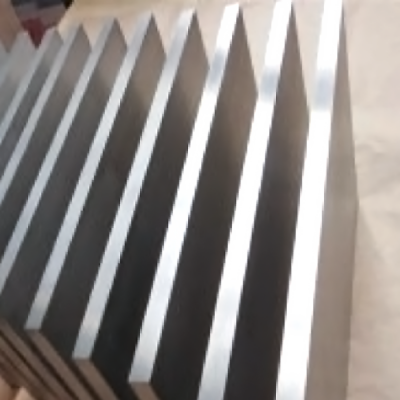

We use a special ultrasonic testing device that can detect these reflected waves. By analyzing the time it takes for the waves to come back and the amplitude of the reflected waves, we can figure out the size, location, and type of the defect. It's like using sonar to find objects underwater, but in this case, we're finding defects inside the steel plate.
Ultrasonic testing is great because it can detect internal defects that are not visible on the surface. It's also a relatively fast method, and it doesn't damage the plate. However, it requires skilled operators to interpret the results accurately. If you're interested in learning more about the technologies behind this, you can check out our LX56 Pipe Line Plate X60 page, where we have some more in - depth information.
Magnetic Particle Testing
Magnetic particle testing is mainly used to detect surface and near - surface defects in ferromagnetic materials like pipe line plate X60. First, we magnetize the plate. Then, we sprinkle iron particles on the surface. If there's a defect, the magnetic field around the defect gets distorted, and the iron particles will accumulate at the defect site, forming a visible indication.
This method is really effective for detecting cracks and other surface - breaking defects. It's also relatively simple and inexpensive compared to some other methods. But it has its limitations. It can only be used on ferromagnetic materials, and it's mainly for surface and near - surface defects. For deeper internal defects, we need to rely on other methods like ultrasonic testing.
Radiographic Testing
Radiographic testing is another powerful non - destructive testing method. In this method, we use X - rays or gamma rays to penetrate the pipe line plate X60. A film or a digital detector is placed on the other side of the plate. When the rays pass through the plate, they create an image on the film or detector.
If there's a defect in the plate, it will show up as a different density area on the image. For example, a void will appear as a darker area because less radiation is absorbed in that area. Radiographic testing can provide a clear picture of the internal structure of the plate, but it has some drawbacks. It's expensive, and it requires special safety precautions because of the use of radiation. Operators need to be properly trained to handle the equipment and ensure safety.
Chemical Analysis
Chemical analysis is essential to ensure that the pipe line plate X60 meets the required chemical composition standards. We take samples from the plate and analyze them in a laboratory. There are different methods for chemical analysis, such as spectroscopy.
Spectroscopy works by analyzing the light emitted or absorbed by the sample when it's excited. By measuring the wavelengths and intensities of the light, we can determine the elements present in the sample and their concentrations. This is important because the chemical composition of the plate affects its mechanical properties. For example, the amount of carbon, manganese, and other elements can influence the strength and toughness of the plate. If you want to know more about the chemical composition of our products, you can visit our LX560 page.
Tensile Testing
Tensile testing is a mechanical testing method used to determine the strength and ductility of the pipe line plate X60. We cut a small specimen from the plate and place it in a tensile testing machine. Then, we slowly pull the specimen until it breaks.
During the test, the machine records the amount of force applied and the amount of elongation of the specimen. From these measurements, we can calculate important properties like the yield strength, ultimate tensile strength, and elongation percentage. The yield strength is the stress at which the material starts to deform plastically, and the ultimate tensile strength is the maximum stress the material can withstand before breaking. Elongation percentage shows how much the material can stretch before it fails.
This test helps us ensure that the plate has the necessary mechanical properties to withstand the pressures and forces it will encounter in a pipeline. It's like testing the muscles of an athlete to make sure they're strong enough for the game.
Hardness Testing
Hardness testing is also an important part of the inspection process. Hardness is a measure of a material's resistance to indentation. We use different hardness testing methods, such as the Brinell, Rockwell, or Vickers hardness tests.
In the Brinell hardness test, we press a hard ball into the surface of the plate with a specific force and measure the diameter of the indentation. The Rockwell test uses a different indenter and measures the depth of the indentation. The Vickers test uses a pyramid - shaped indenter.
The hardness of the pipe line plate X60 is related to its strength and wear resistance. If the hardness is too low, the plate may be easily damaged. If it's too high, the plate may be brittle and prone to cracking. By controlling the hardness, we can ensure that the plate has the right combination of properties.
So, these are the main inspection methods we use for pipe line plate X60. Each method has its own advantages and limitations, and we often use a combination of methods to ensure the highest quality of our products.
If you're in the market for high - quality pipe line plate X60, we're here to help. Our products are thoroughly inspected using these methods to ensure they meet the highest standards. Whether you need LX56 Pipe Line Plate X60, LX560, or LX42 Pipe Line Plate, we've got you covered. Don't hesitate to reach out to us for a quote and start a procurement discussion. We're looking forward to working with you!
References
- ASME Boiler and Pressure Vessel Code
- ASTM International Standards for Steel Plates
- API (American Petroleum Institute) Standards for Pipeline Materials