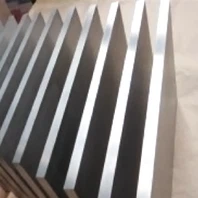
As a supplier of A387 steel plates, ensuring the quality of our products is of utmost importance. A387 steel plates are widely used in various industries, especially in high - temperature and pressure applications such as petrochemical, power generation, and boiler manufacturing. In this blog, I will share with you how to test the quality of A387 steel plates.
Chemical Composition Analysis
The first step in testing the quality of A387 steel plates is to analyze their chemical composition. The chemical composition of A387 steel plates directly affects their mechanical properties, corrosion resistance, and heat resistance. We use advanced spectrometry equipment to accurately measure the content of various elements in the steel plate.
Elements such as carbon (C), silicon (Si), manganese (Mn), phosphorus (P), sulfur (S), chromium (Cr), and molybdenum (Mo) are strictly controlled within a specific range according to the ASTM A387 standard. For example, carbon content usually affects the strength and hardness of the steel. A proper amount of chromium and molybdenum can enhance the steel's high - temperature strength and corrosion resistance. If the chemical composition deviates from the standard, it may lead to poor performance of the steel plate in actual use.
Mechanical Property Testing
Mechanical property testing is another crucial aspect of evaluating the quality of A387 steel plates. This includes tensile testing, hardness testing, and impact testing.
Tensile Testing
Tensile testing is used to determine the yield strength, ultimate tensile strength, and elongation of the steel plate. A test specimen is cut from the steel plate and placed in a tensile testing machine. The machine gradually applies a pulling force until the specimen breaks. By measuring the force and deformation during the process, we can obtain important mechanical property data. For A387 steel plates, the yield strength and ultimate tensile strength should meet the requirements of the standard. A higher strength indicates better load - bearing capacity, which is essential for applications in high - pressure environments.
Hardness Testing
Hardness testing is used to measure the resistance of the steel plate to indentation or scratching. There are several methods for hardness testing, such as Brinell hardness testing, Rockwell hardness testing, and Vickers hardness testing. Each method has its own advantages and is suitable for different situations. Hardness is closely related to the strength and wear resistance of the steel plate. If the hardness is too low, the steel plate may be easily damaged; if it is too high, the steel plate may become brittle.
Impact Testing
Impact testing is used to evaluate the toughness of the steel plate at low temperatures. A Charpy V - notch test is commonly used. A specimen with a V - shaped notch is placed in an impact testing machine, and a pendulum is released to strike the specimen. The energy absorbed during the impact is measured. Good impact toughness means that the steel plate can withstand sudden impacts without fracturing, which is very important for applications in cold environments or situations where dynamic loads are present.
Non - Destructive Testing
Non - destructive testing (NDT) methods are used to detect internal and surface defects in A387 steel plates without damaging the plates. These methods are very important for ensuring the safety and reliability of the steel plates.

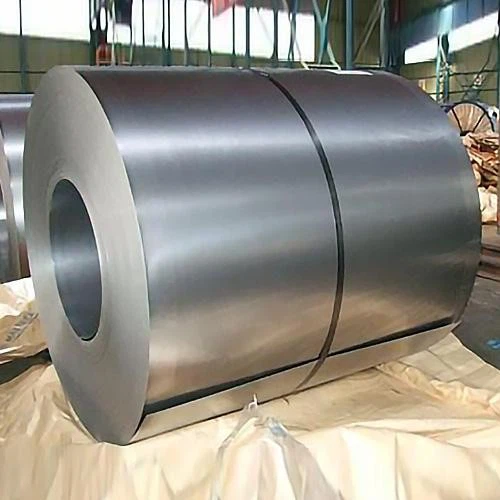
Ultrasonic Testing (UT)
Ultrasonic testing uses high - frequency sound waves to detect internal defects such as cracks, porosity, and inclusions in the steel plate. An ultrasonic transducer is placed on the surface of the steel plate, and the sound waves are transmitted into the plate. When the sound waves encounter a defect, part of the waves will be reflected back, and the transducer can detect the reflected waves. By analyzing the characteristics of the reflected waves, we can determine the location, size, and type of the defect.
Magnetic Particle Testing (MT)
Magnetic particle testing is mainly used to detect surface and near - surface defects in ferromagnetic materials such as A387 steel plates. The steel plate is magnetized, and magnetic particles are applied to the surface. If there is a defect on the surface or near the surface, the magnetic field will be distorted, and the magnetic particles will accumulate at the defect location, making the defect visible. This method is simple, fast, and sensitive to surface defects.
Penetrant Testing (PT)
Penetrant testing is used to detect open - to - surface defects. A penetrant liquid is applied to the surface of the steel plate, and it penetrates into the defects by capillary action. After removing the excess penetrant, a developer is applied, which draws the penetrant out of the defects, making them visible. This method is suitable for detecting small surface cracks and porosity.
Microstructure Examination
Microstructure examination is used to observe the internal structure of the steel plate at the microscopic level. A small sample is cut from the steel plate, polished, and etched. Then, it is observed under a microscope. The microstructure of A387 steel plates should be uniform and consistent. Different microstructures, such as ferrite, pearlite, bainite, and martensite, have different effects on the mechanical properties of the steel. For example, a fine - grained microstructure usually provides better strength and toughness compared to a coarse - grained microstructure.
Comparison with Similar Products
When evaluating the quality of A387 steel plates, it is also useful to compare them with similar products in the market, such as ASTM A537CL2 SA285GrB, SA285GrA, and P335GH. By comparing their chemical compositions, mechanical properties, and prices, customers can make more informed decisions.
We conduct regular quality control and improvement based on these comparison results. We strive to ensure that our A387 steel plates have better performance and cost - effectiveness compared to similar products.
Conclusion
Testing the quality of A387 steel plates is a comprehensive process that involves chemical composition analysis, mechanical property testing, non - destructive testing, and microstructure examination. By strictly following these testing procedures, we can ensure that the A387 steel plates we supply meet the highest quality standards.
If you are in need of high - quality A387 steel plates for your projects, whether it is for petrochemical plants, power generation facilities, or other industrial applications, please feel free to contact us for procurement and negotiation. We are committed to providing you with the best products and services.
References
- ASTM International. ASTM A387/A387M - 21, Standard Specification for Pressure Vessel Plates, Alloy Steel, Chromium - Molybdenum.
- ASME Boiler and Pressure Vessel Code.
- Metallurgy textbooks on steel properties and testing methods.